
Plants
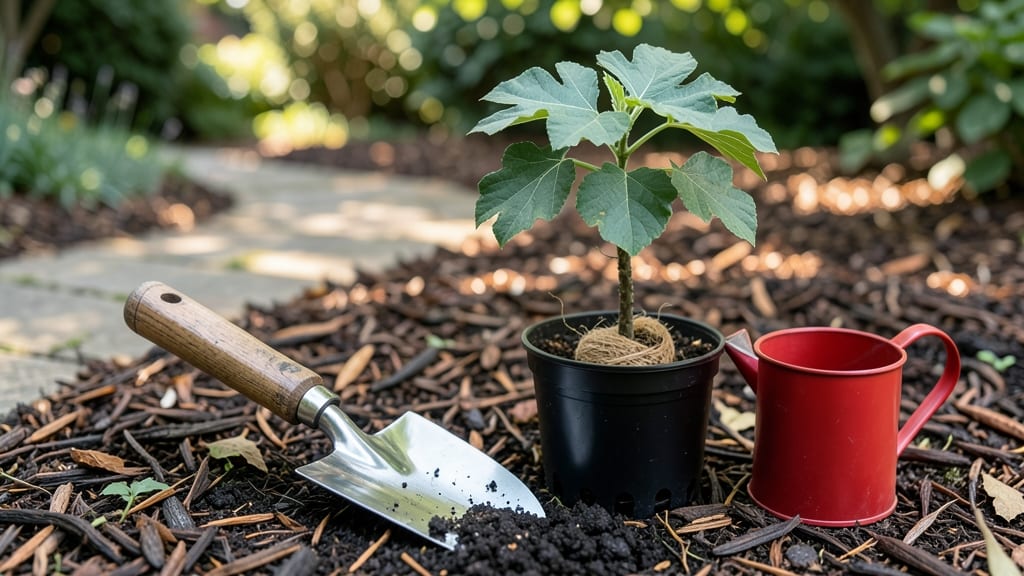
Planting a fig tree in the ground at the wrong time can mean the difference between a thriving fruit-bearing tree and one that struggles to survive. If you're in USDA Zone 6a, timing is everything—especially when choosing between April and May after the last frost.
Fig trees are sensitive to cold, so planting too early risks frost damage, while waiting too long can stunt root growth before summer heat sets in. The key is finding that sweet spot where soil is warm enough to encourage strong root development without exposing the tree to late-season chills.
Whether you're growing cold-hardy varieties like 'Chicago Hardy' or tropical types that need extra protection, I'll break down the best planting windows for your climate. You'll learn how to prepare your soil, avoid common mistakes, and give your fig tree the best start possible.
Let's dive into the exact steps to plant your fig tree at the perfect time—so you can enjoy a bountiful harvest from August to October and beyond.
Best planting times for fig trees by climate Zone
Fig trees thrive when planted at the right time, but the perfect window depends entirely on your climate zone and whether you're growing cold-hardy or tropical varieties.
In USDA Zones 7-10, cold-hardy figs like 'Chicago Hardy' or 'Celeste' can handle brief chills, while Zones 10+ tropical figs like 'Brown Turkey' need year-round warmth. Planting too early risks frost damage, while waiting too long delays root establishment. Let’s break it down by zone and season.
For cold-hardy figs in Zones 7-9, the ideal planting window is early spring (4-6 weeks after last frost) or late summer (late July-August). Early spring gives roots time to establish before summer heat, while late summer planting avoids winter dormancy stress.
In Zone 10, you can plant year-round, but spring or fall minimizes heat stress. Tropical figs in Zones 11+ should only plant during monsoon season (June-September) to avoid drought.
🌱
In Zones 7-9, late summer planting (August) is my top recommendation for cold-hardy figs. The soil stays warm long enough for roots to establish before winter dormancy, and young trees have time to harden off.
I’ve seen 'Celeste' figs planted in late August thrive in Zone 8 with minimal winter protection. Just avoid planting if frost is forecasted within 2 weeks—young roots can’t survive freezing.
For Zone 10 growers, spring planting (March-April) is ideal because it aligns with the start of the growing season. Tropical figs in Zones 11+ must be planted during monsoon season (June-September) when humidity and rain reduce transplant shock.
I once tried planting a 'Mexican White' in July in Arizona, and it established roots within 3 weeks thanks to the consistent moisture.
One critical factor I can’t stress enough is soil temperature. Figs won’t thrive if planted in cold soil (<50°F or 10°C). Use a soil thermometer to confirm temps are 55°F+ (13°C+) before planting.
In cooler zones, black plastic mulch can warm the soil by 5-10°F and speed up root growth. I’ve used this trick in Zone 7 to extend the planting window by 2-3 weeks.
If you miss the optimal window, don’t panic—figs are resilient. In Zones 7-9, you can plant bare-root figs in late fall (October-November) as long as they’re dormant and the ground isn’t frozen.
Just mulch heavily to protect roots. For tropical figs, never plant in winter—the lack of rain and heat will stunt growth. Instead, wait for the next monsoon season.
🌿
Pro tip: If you’re in a transitional zone (like Zone 9), test your fig’s cold tolerance before committing to outdoor planting. Start with a container-grown tree in spring and move it outdoors after the last frost.
If it survives the winter, you can plant it permanently the following early spring. This two-year trial method has
How to choose the perfect planting window for your fig variety
Selecting the right time to plant your fig tree depends on your local climate and the variety you’ve chosen. Cold-hardy types like 'Chicago Hardy' need frost-free soil, while tropical varieties like 'Brown Turkey' thrive in warmer conditions.
Timing directly impacts root establishment and fruit production—so let’s break it down step by step.
First, check your last frost date in your area. Most fig trees should be planted 4-6 weeks after frost to avoid cold damage. For example, in USDA Zone 7, this typically means early to mid-spring, while Zone 10+ regions can plant as late as summer.
Soil temperature also matters—aim for at least 60°F (15°C).
- Step 1: Verify your last frost date and wait 4-6 weeks before planting.
- Step 2: Test soil temperature—plant when it reaches 60°F (15°C) or warmer.
- Step 3: Choose early spring for cold-hardy figs (e.g., 'Celeste') or late summer for tropical types (e.g., 'Black Mission').
- Step 4: Avoid planting during heatwaves—opt for mild, overcast days to reduce transplant shock.
- Step 5: Water deeply before and after planting to encourage root growth and prevent stress.
Cold-hardy figs like 'Chicago Hardy' or 'Celeste' should go into the ground in early spring (March-April in most regions). These varieties tolerate colder temperatures but still need time to establish roots before summer heat sets in.
If you’re in a warmer climate (Zone 10+), you can plant tropical figs like 'Brown Turkey' in late summer (August-September) to avoid winter chill.
Never plant during heatwaves or extreme cold snaps, as these conditions stress young roots. Instead, choose mild, overcast days to minimize transplant shock. After planting, mulch around the base to retain moisture and regulate soil temperature—this is especially critical for young fig trees still adapting to their new home.
Pro tip: If you’re unsure about your local frost dates, use a planting calendar or check with your local extension office. They can provide precise timing tailored to your area.
Remember, the goal is to give your fig tree the best possible start—so patience and preparation pay off in bigger harvests down the road! 🌱