Flowers
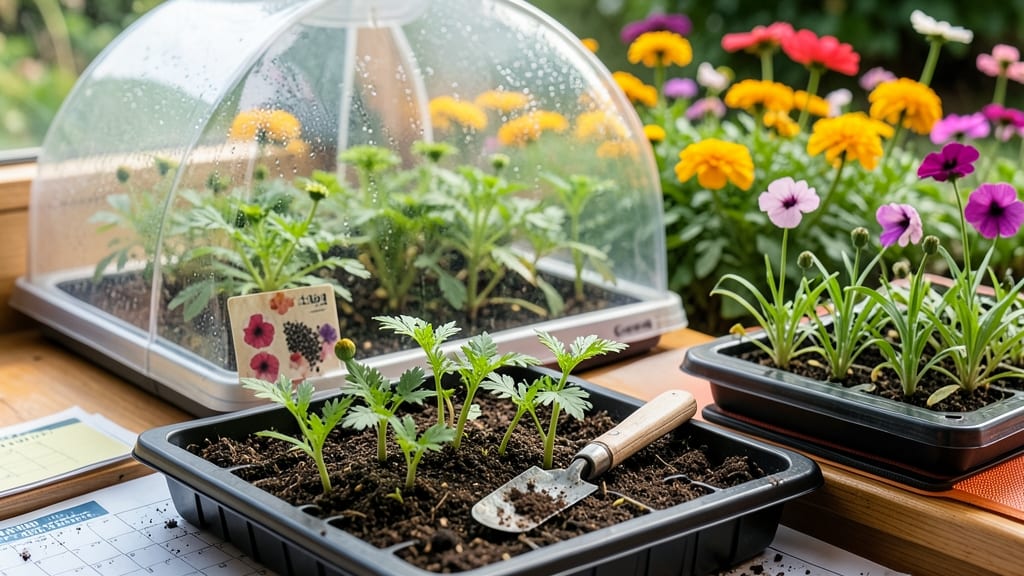
Planting flower seeds in Illinois at the right time can turn your garden from a ho-hum patch into a burst of color that lasts all season—if you time it just right.
With USDA zones 5a-6b and unpredictable Midwest weather, knowing when to start seeds indoors versus direct-sowing outdoors makes all the difference. Whether you're dreaming of vibrant marigolds or hardy coneflowers, getting the timing down is the key to blooms that thrive.
Missed the last frost date? No problem—I’ll walk you through how to adjust your planting schedule based on your county’s frost dates, so you can avoid wilting seedlings or late-season disappointments.
From cool-loving pansies in early spring to heat-tolerant zinnias in summer, each flower has its own ideal window. Let’s break it down so you can plant with confidence, no guesswork required.
Did you know some Illinois gardeners extend their growing season by 3-4 weeks with simple tricks like row covers or cold frames? I’ll share those pro tips too, so you can push your planting dates earlier or later without risking frost damage.
Whether you’re a first-time gardener or a seasoned green thumb, these strategies will help you maximize your 🌸 flower seeds’ potential—no matter where you live in the state.
Ready to transform your yard into a nonstop parade of blooms? Grab your calendar, check your local frost dates, and let’s get those seeds in the ground at the perfect moment. Your future garden will thank you!
Illinois frost dates by county: exact planting windows for flower seeds
Getting your flower seeds in the ground at the right time is crucial in Illinois, where frost dates can swing wildly between northern and southern counties. The last spring frost often arrives in mid-April in Chicago, but can linger until early May in Duluth-like regions.
Meanwhile, first fall frost typically hits late September in northern Illinois but may wait until mid-October in southern Illinois. These variations create planting windows that differ by weeks—or even months—across the state.
To help you pinpoint the perfect time, I’ve broken down Illinois frost dates by county with actionable planting windows for your favorite annual flowers, perennials, and cold-hardy varieties.
Whether you’re sowing marigolds for pest control or coneflowers for pollinators, knowing your USDA Zone (5a-6b) and local frost trends will maximize your blooms. Below, you’ll find a county-by-county guide plus tips for adjusting timelines based on microclimates like urban heat islands or sheltered valleys.
For annual flowers like marigolds or zinnias, aim to sow seeds 2–4 weeks after your county’s last frost date. These warm-season bloomers thrive when soil temperatures hit at least 60°F, so don’t rush—waiting ensures stronger, healthier plants.
In northern Illinois, this might mean holding off until early May, while southern counties can start as early as mid-April.
For cold-hardy perennials like coneflowers or black-eyed Susans, you can sow seeds 4–6 weeks before your last frost date—sometimes as early as late February in sheltered microclimates.
If you’re starting seeds indoors, begin 6–8 weeks before your last frost date for most annuals.
Best flower seeds to plant by Illinois season: cool vs warm-loving varieties
Illinois gardeners know timing is everything when planting flower seeds. The state's USDA Zones 5a-6b create a unique challenge—balancing cool-season blooms that thrive in early spring and fall with warm-season favorites that need summer heat.
I've tested these varieties in my own Chicago-area garden and can confidently recommend which seeds to start when for maximum blooms.
For cool-season flowers, focus on varieties that tolerate light frost and even 32°F temperatures. These include hardy annuals and biennials that germinate quickly in 50-60°F soil. In contrast, warm-season flowers demand patience—they won't sprout until soil reaches 60-70°F, making late spring or summer planting essential.
Let's break down the best options by season to help you plan your Illinois garden calendar.
🌱 When to Plant Flower Seeds in Illinois by Season
- Early Spring (March-April): Cool-loving annuals like snapdragons and pansies (Zone 3-9). Start indoors 6-8 weeks before last frost.
- Late Spring (May): Direct sow hardy warm-season flowers like marigolds and zinnia after soil reaches 60°F. Use row covers for tender seedlings.
- Summer (June-July): Plant heat-tolerant varieties like sunflowers and cosmos for continuous blooms. Succession plant every 2-3 weeks for extended season.
- Fall (August-September): Sow cool-season biennials like foxglove and hollyhock for next spring's blooms. Avoid planting after first frost (typically October 15).
Pro Tip: Use frost cloth to extend warm-season planting by 2-3 weeks in northern Illinois.
My top cool-season picks for Illinois include calendula and stock flowers, both of which handle light frosts beautifully. These varieties germinate quickly in 45-55°F soil, making them perfect for March sowings.
For warm-season stars, I recommend black-eyed susans and beardtongue, which thrive in 70-85°F temperatures and provide late-summer color when other flowers fade.
Don't overlook perennial flowers like coneflowers and black-eyed susans, which establish roots in spring but reward you with years of blooms. These varieties are particularly forgiving in Illinois' variable climate, often rebounding from late frosts better than annuals.
For container gardening, try petunias or geraniums—both tolerate our hot summers and cooler evenings.
Remember that soil temperature matters more than calendar dates. Use a soil thermometer to confirm readiness—most seeds need 60°F+ soil for reliable germination. In northern Illinois, this often means waiting until mid-May, while southern regions can plant 2-3 weeks earlier.
Always check your local USDA frost map for precise timing.
For extended seasons, try succession planting every 2-3 weeks with fast-growing annuals like bachelor's buttons or cosmos. This technique ensures continuous blooms from June through October, giving your garden a professional, lush appearance.
Pair these with perennials that self-seed naturally, like meadow rue or lupine, for low-maintenance beauty.