
Flowers
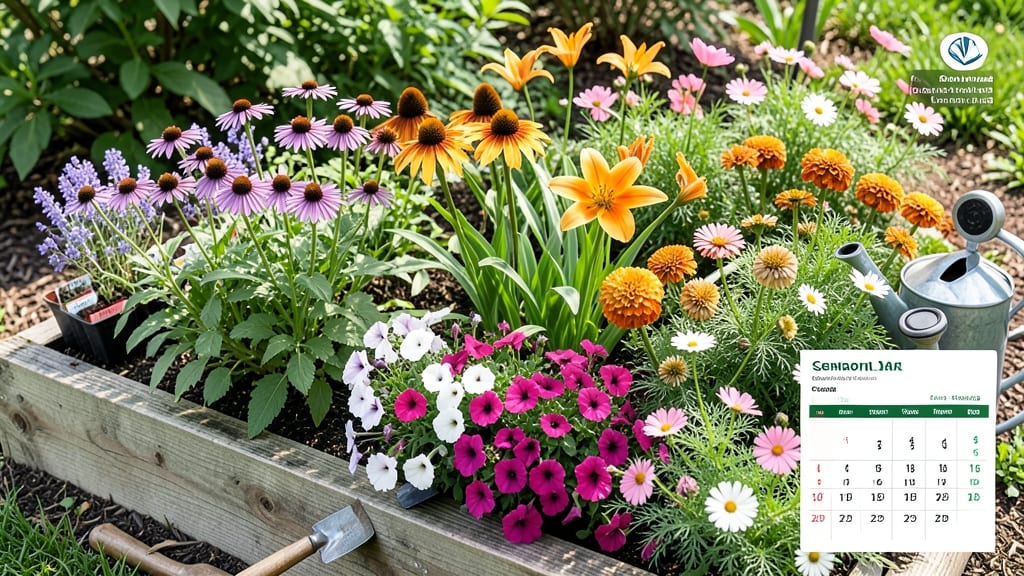
Timing your flowers planting in Connecticut can make the difference between a showstopping garden and a sad, frost-killed mess. With last frosts creeping in around mid-April and first frosts arriving by mid-October, knowing the perfect window is everything—especially in zones 5b-6b where temperatures can swing wildly.
I’ve planted 🌸 in CT for years, and the secret isn’t just waiting for spring—it’s about understanding the two key windows that work best. Whether you’re dreaming of vibrant petunias or hardy coneflowers, getting the timing right means blooms that last from late spring through fall.
Let me walk you through the exact months to plant for zero-frost success.
For annuals like marigolds and zinnias, you’ll want to wait until late April to mid-May when soil temps hit 50°F—but perennials and bulbs have their own rules. And don’t overlook fall planting!
Early September to October is your second chance to get flowers thriving next year. I’ll break down the best varieties for each season and how to protect them from CT’s unpredictable weather.
Ready to skip the guesswork? You’ll leave here with a clear planting schedule, frost-proof tips, and the confidence to turn your CT garden into a year-round blooming paradise. Let’s get started.
Connecticut’s planting zones: when to plant flowers by month (Zone 5b-6b)
Connecticut’s USDA Zones 5b-6b mean your planting schedule must balance late spring frosts and early fall chills. The last frost typically hits mid-April, while the first frost arrives around mid-October.
To maximize blooms, align your planting with soil temperatures and seasonal shifts—whether you’re sowing annuals, perennials, or bulbs. I’ll break it down month by month, so you can plant with confidence and avoid frost damage.
Spring is all about perennials and bulbs, while summer focuses on heat-loving annuals. Fall planting, however, is a game-changer for cool-season flowers that thrive after summer’s heat.
For example, pansies and snapdragons planted in September will bloom beautifully through winter, while marigolds and zinnias need warm soil to germinate in May. Let’s dive into the exact timing for each month.
In March, focus on spring-blooming bulbs like tulips and daffodils. Plant them as soon as the ground is workable (around 40-50°F) for early spring color. These hardy bulbs tolerate frost and will reward you with vibrant blooms by May.
For perennials, wait until April when soil temperatures hit 50-60°F. Coneflowers and black-eyed Susans are perfect choices—they establish roots quickly and handle Connecticut’s variable spring weather.
May is the month for annuals like petunias and marigolds. Wait until the soil warms to 60-70°
How to extend your flower season: frost-proof planting hacks for CT gardeners
Connecticut’s late spring frosts can derail even the most eager gardener’s plans—but with the right strategies, you can beat frost and enjoy blooms from May to October. The key lies in frost-proof planting hacks that protect delicate flowers while maximizing your garden’s potential.
Whether you’re a beginner or seasoned pro, these methods will help you extend your flower season without losing plants to cold snaps.
From cold frames and row covers to succession planting and heat-loving varieties, I’ve tested these techniques in my own Zone 5b-6b CT garden to ensure your flowers thrive.
The secret? Layered protection combined with smart variety selection. Let’s dive into the top frost-proofing strategies that actually work in Connecticut’s climate.
🌱 5 Frost-Proof Planting Hacks for CT Gardens
- 1. Use Row Covers – Lightweight fabric traps heat and protects plants from 28°F temps. Ideal for pansies, snapdragons, and petunias.
- 2. Build a Cold Frame – Extends season by 4-6 weeks using clear plastic or glass. Perfect for early spring or fall planting.
- 3. Plant Frost-Tolerant Varieties – Choose pansies, coneflowers, and black-eyed Susans, which survive 25°F+.
- 4. Succession Planting – Stagger plantings every 2-3 weeks to ensure continuous blooms.
- 5. Mulch Heavily – Apply 3-4 inches of straw or leaves to insulate roots during late fall or early spring.
My go-to frost-tolerant flowers for Connecticut include pansies, which bloom in 35°F+, and snapdragons, which handle 28°F. For longer seasons, I also plant coneflowers and black-eyed Susans, which thrive in Zone 5b-6b and rebound quickly after frost.
These varieties are low-maintenance and resilient, making them perfect for extended-season gardens.
If you’re planting in late spring or early fall, row covers are a game-changer. I’ve seen petunias and marigolds survive unexpected frost when covered with floating row fabric.
For early blooms, a cold frame lets me start pansies and violas as early as mid-April, giving me 6+ weeks of color before traditional planting time.
Don’t overlook succession planting—it’s the easiest way to keep your garden blooming all season. By planting new batches of annuals every 2-3 weeks, you’ll avoid gaps in color and pollinator support.
For example, I plant zinnias in late May, cosmos in June, and mums in July to ensure continuous blooms until frost.
For fall planting, focus on cool-season flowers like astors and sweet alyssum, which thrive in 50-60°F soil. These plants survive light frosts and even improve in flavor and texture after a light chill.
Always mulch heavily to protect roots, and consider raising beds slightly to warm soil faster in spring.
With these frost-proofing strategies, your CT garden can stay vibrant from May to October—no frost damage in sight! Start with one or two methods, then expand as you gain confidence. Your longer flower season starts with these simple, effective hacks. 🌼