
Flowers
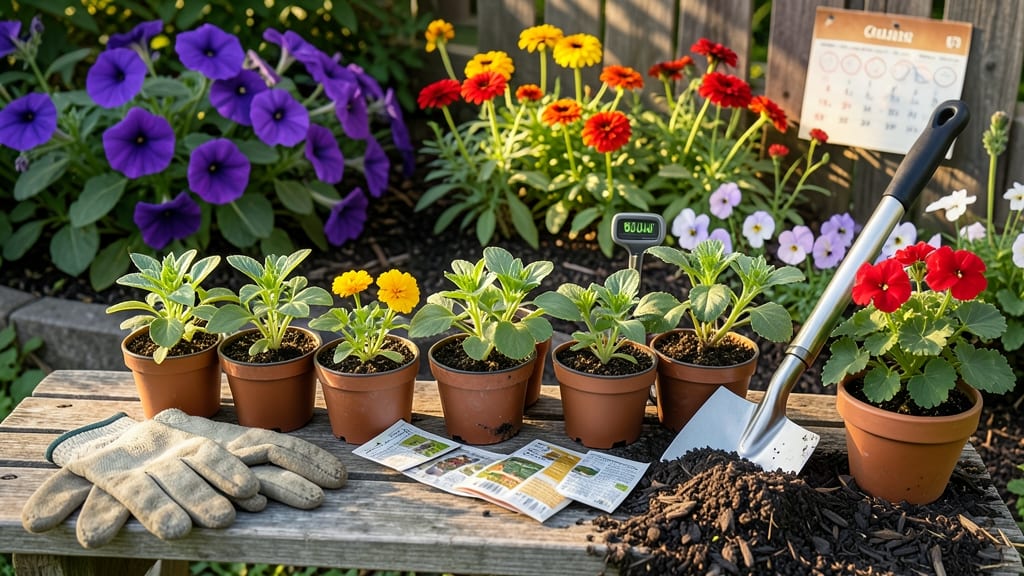
Planting your flowers at the right time in New York isn’t just about luck—it’s about unlocking the best blooms possible, whether you’re in bustling NYC or the rolling hills of Upstate.
With last frost dates shifting from mid-April in the cities to late May in the Adirondacks, getting the timing wrong can leave your garden struggling to take root.
I’ve spent years testing what works in New York’s 5b-7b zones, and the key is knowing when to start seeds indoors, when to transplant tender annuals, and which hardy perennials can brave early spring soil.
Skip the guesswork—this guide breaks down the exact windows for every season, so you can plant with confidence and avoid the heartbreak of frost-bitten petals.
From cool-loving pansies that thrive in March to heat-loving sunflowers planted in June, each flower has its own rhythm. We’ll also cover how humidity in the Hudson Valley or urban heat islands in Brooklyn can tweak your schedule.
Ready to transform your garden into a year-round showstopper? Let’s dive into the perfect planting calendar for your zone.
Whether you’re a first-time gardener or a seasoned pro, these insights will help you time your plantings like a local. No more waiting until it’s too late—just vibrant, healthy flowers that bloom exactly when you want them to. Let’s get started!
New York flower planting calendar by USDA hardiness Zones
New York's diverse climate—spanning USDA Zones 4 through 7—means your planting timeline should shift depending on whether you're in Upstate (Zones 4-5), the Hudson Valley (Zone 6), or New York City (Zone 7).
The average last frost date ranges from mid-April in NYC to late May in the Adirondacks, while first frosts arrive between mid-October and early November. To maximize blooms, align your planting with these seasonal windows and soil temperatures.
For annual flowers, most varieties thrive when planted 2-3 weeks after the last frost—typically late April to early May in Zone 7 and early to mid-May in Zones 4-5. Perennials often go in the ground in early spring (March-April) or fall (September-October) for established root growth before winter. Bulbs like tulips and daffodils should be planted in fall (September-October) for spring blooms, while spring-planted bulbs like dahlias wait until after the last frost.
Soil temperature is critical: most flowers need at least 50°F (10°C) for roots to establish. Use a soil thermometer to check—if it’s below 40°F (4°C), wait a week or two.
In Zone 7 (NYC)**, you can start warm-season annuals like marigolds indoors in March, while Zone 4 gardeners should wait until late May for heat-loving varieties. Always adjust for microclimates, like urban heat islands in NYC or cooler lake-effect zones near the Finger Lakes.
| Month | Zone 4 (Upstate) | Zone 5 (Hudson Valley) | Zone 6 (Midstate) | Zone 7 (NYC) |
|---|---|---|---|---|
| March | Start cool-season annuals indoors (pansies, snapdragons). Plant spring bulbs (tulips, crocus). | Same as Zone 4 + hardy perennials (peony, iris). | Plant spring bulbs and hardy perennials. Start warm-season veggies indoors. | Plant spring bulbs and early perennials. Start warm-season flowers (marigolds) indoors. |
| April | Wait for soil to warm (50°F+). Plant cool-season annuals (lettuce, calendula) after frost. | Plant cool-season annuals and early perennials (hostas, astilbe). | Plant annuals (petunias, zinnias) and warm-season veggies outdoors. | Plant annuals (geraniums, cosmos) and warm-season flowers outdoors. |
| May | Plant warm-season annuals (sunflowers, marigolds) after last frost (late May). | Plant warm-season annuals and perennials (coneflowers, black-eyed Susans). | Transplant seedlings and plant bulbs for fall blooms (dahlias, gladiolas). | Transplant seedlings and plant heat-loving annuals (portulaca, lantana). |
| June | Focus on succession planting (zinnias, cosmos) and weed control. | Plant fall-blooming bulbs (crocus, allium) and late-season annuals. | Deadhead spent blooms and fertilize perennials for fall rebloom. | Deadhead spent blooms and start fall planting prep (compost, mulch). |
| September | Plant fall annuals (pansies, sweet alyssum) and spring bulbs (tulips). | Plant fall annuals and hardy perennials (mums, asters). | Plant cool-season veggies and winter-hardy flowers (snapdragons). | Plant cool-season flowers and spring bulbs for early blooms. |
| October | Finish planting spring bulbs before ground freezes. Mulch per
Best flowers to plant in each New York season (with local tips)New York's diverse climate and four distinct seasons create perfect conditions for year-round gardening—but timing is everything. Whether you're in Upstate's cooler zones or NYC's urban heat islands, choosing the right flowers for each season ensures a continuous bloom from spring through fall. Let's dive into my seasonal planting guide with local favorites that thrive in NY's USDA Zones 4-7. Spring in New York kicks off with cool temperatures and moist soil, making it ideal for early bloomers like tulips and daffodils. Summer brings long daylight hours and heat, perfect for sun-loving annuals like zinnias and marigolds. Fall offers a second planting window for cold-hardy varieties, while winter demands dormant perennials and evergreen accents. Each season has its star performers, and I'll share my top picks with local planting tips to maximize success. 🌸 Seasonal Flower Planting Guide for New York
For spring planting, I recommend starting with native wildflowers like New York aster and black-eyed Susan, which attract pollinators and thrive in well-draining soil. These perennials establish roots early and rebloom reliably for years. In Upstate regions, where soils stay cooler longer, you can plant hardy bulbs like alliums as early as late March—just cover them if frost threatens. Summer is all about colorful annuals that tolerate heat, like zinnias and marigolds. I swear by marigolds for pest control—their strong scent deters aphids and nematodes naturally. For container gardens in NYC, petunias and geraniums are my go-tos; they bloom nonstop with minimal care if kept well-watered. Pro tip: Deadhead spent blooms to encourage more flowers and prevent seed formation. Fall offers a second chance for gardeners, especially in Zone 6 and below. Plant pansies and snapdragons in late August for winter color—they handle light frosts beautifully. In cooler Upstate areas, try hardy chrysanthemums, which bloom into November. Always amend soil with compost before planting to give roots a nutrient boost before winter. Even in winter, New York gardens can shine with evergreen structure and early bloomers. I love adding winter aconite for yellow blooms in February, while boxwood shrubs provide year-round greenery. For snow-covered gardens, ornamental grasses like Miscanthus add movement and texture when little else is growing. Always water evergreens occasionally in winter to prevent desiccation from dry winds. |