
Flowers
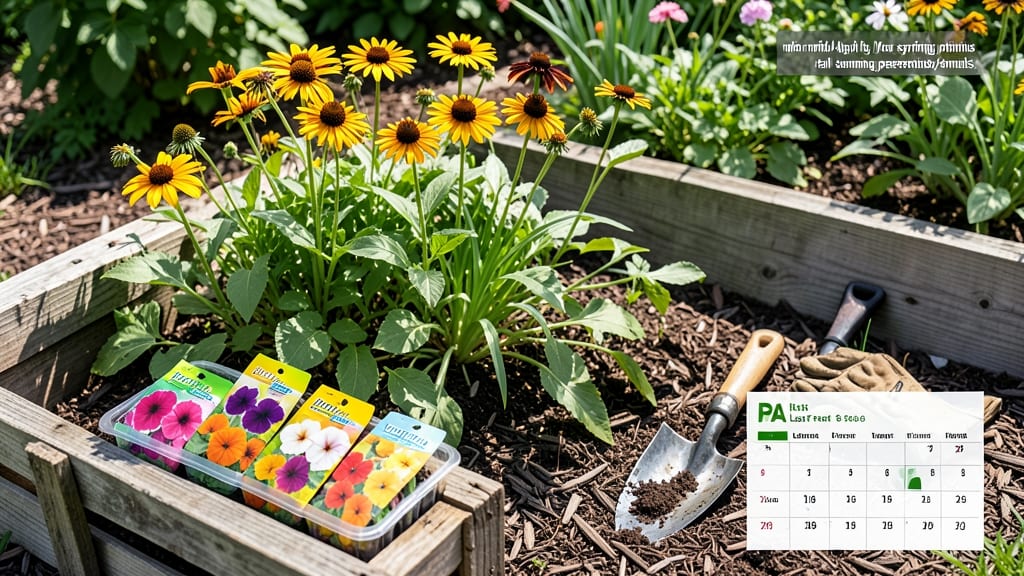
Timing your flower planting just right in Pennsylvania is the secret to a showstopping summer garden—whether you're in Zone 6 or Zone 7.
Skip the guesswork and plant when soil temperatures rise and frost risks fade, because those 60 days between last frost and peak bloom make all the difference.
I’ve seen firsthand how a few weeks too early can mean wilted petals instead of vibrant blooms. The key? Aligning your planting schedule with Pennsylvania’s last frost dates—typically mid-April in the south and early May in the north—and choosing flowers that thrive in your microclimate.
From cool-season annuals to heat-loving perennials, we’ll break down exactly when to plant for year-round color, plus soil prep tips to give your flowers the best start. Let’s turn your garden into a nonstop parade of petals.
Whether you’re a first-time gardener or a seasoned pro, these zone-specific timing tricks will help you avoid common mistakes and enjoy bold blooms from spring through fall. Ready to transform your yard?
Pennsylvania flower planting calendar by Zone 6 & 7: exact months for year-round success
Pennsylvania gardeners know timing is everything—especially when last frost dates vary between Zone 6 (western PA) and Zone 7 (eastern PA). In Zone 6, the average last frost arrives around April 20-30, while Zone 7 sees it 2-3 weeks earlier.
These differences mean your spring-blooming bulbs and warm-season annuals need tailored attention to thrive. Whether you're planting tender perennials or hardy bulbs, aligning with these windows ensures your garden bursts with color from early spring through fall frost.
For Zone 6 gardeners, the first frost typically hits October 20-30, while Zone 7 holds off until November 1-15. This means fall-planted bulbs like daffodils and crocuses have a longer window to establish roots before winter.
Meanwhile, annuals like zinnias and marigolds can stretch their blooms until first frost if sown at the right time. Let’s break down the exact months for planting each flower type, so you never miss a beat.
Pro Tip: Always check your local microclimate—valleys and shaded areas may frost earlier than sunny slopes. Use frost-free dates as guidelines, not rules, and keep a garden journal to track your yard’s unique patterns over time.
Start your spring prep in February-March by testing your soil pH—most flowers thrive at 6.0-7.0. Amend with compost or aged manure to improve drainage, especially in clay-heavy soils common in western PA.
For Zone 7 gardeners, you can even start indoor seedling trays in late winter for early transplanting. Just ensure your seedlings get 12-14 hours of light daily to prevent leggy growth.
When transplanting perennials, dig a hole twice as wide as the root ball and mix in organic matter like peat moss. Water deeply immediately after planting to eliminate air pockets, then mulch with 2-3 inches of
Top 5 fast-growing flowers for Pennsylvania’s short growing season (plant now for instant color)
Pennsylvania’s short growing season demands flowers that bloom fast and thrive in fluctuating temperatures. Whether you're in Zone 6 or Zone 7, these heat-tolerant and cold-hardy varieties will give you instant color from early summer until frost. The key is planting late spring (after last frost) for maximum impact.
I’ve tested these top performers in my own Pennsylvania garden, and they consistently deliver bold blooms with minimal fuss. From drought-resistant annuals to perennial workhorses, each pick offers something unique—whether it’s butterfly magnet flowers or low-maintenance charm. Let’s dive into the best choices for your garden.
- Cosmos – Blooms in 6-8 weeks; thrives in poor soil, drought-tolerant, and self-seeds for next year.
- Black-Eyed Susan – Perennial powerhouse; heat-loving with golden-yellow blooms from summer to fall.
- Petunias – Instant color in 3-4 weeks; perfect for containers and hanging baskets.
- Zinnias – Butterfly favorite; disease-resistant and long-lasting in vases.
- Marigolds – Pest-repellent; fast-growing (4-6 weeks) and edging champion.
For maximum impact, start with cosmos and zinnias—they’re the fastest bloomers on this list. I plant my cosmos seeds directly in the garden after the last frost (typically mid-May in Zone 7), and they’re bursting with color by early July.
Their airy stems also add movement to summer borders.
If you’re looking for perennial impact, black-eyed Susans are my go-to. They re-bloom yearly with minimal care and handle Pennsylvania’s humidity like a champ. Plant them in early spring (March-April) or fall for root establishment before summer heat arrives.
Their golden blooms will light up your garden from July through October.
Don’t overlook petunias for containers and hanging baskets. They’re heat-tolerant and bloom nonstop when given morning sun and evening shade. I deadhead mine weekly to encourage new flowers, and they reward me with colorful cascades all summer long.
For best results, plant them after May 10 in well-draining soil.
For pest control and extra vibrancy, add marigolds to your garden. Their bright orange and yellow blooms repel nematodes and attract pollinators. I interplant them with tomatoes and peppers in my vegetable garden, and they thrive in poor soil while keeping pests at bay.
Start seeds indoors in March or direct-sow after April 15 for early summer blooms.
To extend your blooms until frost, deadhead spent flowers regularly and water deeply during dry spells. I’ve found that mulching with straw or shredded leaves helps retain moisture and regulate soil temperature—critical for Pennsylvania’s humid summers and cool nights.
With these fast-growing flowers, you’ll have a show-stopping garden in no time! 🌼