
Flowers
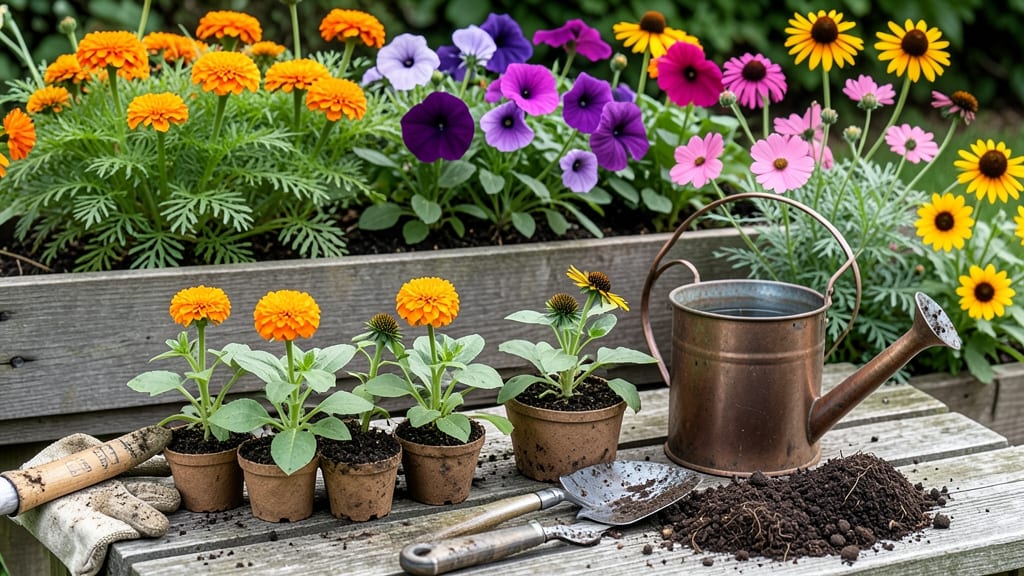
Timing when to plant flowers in St. Louis just right can mean the difference between a garden bursting with color and one that struggles to take root.
With USDA Zone 6a’s tricky frost dates and unpredictable springs, planting too early risks frost damage, while waiting too long might leave your garden bare when summer heat arrives.
I’ve learned the hard way that March and September are the sweet spots for most annuals and perennials—when soil warms enough to support roots but before extreme heat sets in. But what if you missed those windows?
Don’t worry; I’ll show you how to adjust for St. Louis’ microclimates, whether you’re in a sun-baked urban pocket or a cooler rural area.
From hardy coneflowers to delicate petunias, each flower has its own ideal timing, and I’ll break it down so you can plant with confidence. Whether you’re a seasoned gardener or just starting, these tips will help you avoid common mistakes and get the most vibrant blooms all season long.
Ready to transform your garden? Let’s dive into the exact months, soil prep tricks, and flower varieties that thrive in St. Louis—no guesswork required.
St. louis flower planting calendar: month-by-month USDA Zone 6b guide
St. Louis gardeners face unique challenges with its USDA Zone 6b climate, where last frost dates can vary by weeks and summer humidity tests even the hardiest blooms.
My garden thrives when I follow this month-by-month planting schedule, tailored for annuals like petunias, perennials like coneflowers, and bulbs like daffodils. The key? Planting at the right soil temperature and avoiding those sneaky late frosts that can wipe out your progress.
First, mark your calendar for St. Louis’ average last frost date: April 15, though urban areas may experience frost a week later. For fall planting, aim for September 1-15 to give roots time to establish before winter.
Container gardens offer flexibility—you can plant heat-loving annuals like zinnias as late as June 1 and still enjoy summer blooms.
Here’s my month-by-month planting guide for St. Louis, including soil temperature targets and the best flowers for each season:
For spring planting, I always test soil temperature with a soil thermometer—aim for 50°F or warmer before transplanting tender annuals like petunias. My black-eyed Susans and coneflowers get a head start in March when soil warms to 45°F, while zinnias wait until May’s
How to adjust planting times for St. louis’ microclimates and soil conditions
St. Louis’ urban heat islands and rural cooling pockets create wildly different planting conditions. Urban areas like downtown can be 5-10°F warmer than suburbs, while clay-heavy soils retain moisture longer—critical for adjusting your planting schedule.
I’ve learned to plant heat-loving zinnias 2 weeks earlier in city gardens than in cooler rural areas, where black-eyed Susans thrive with delayed spring starts.
Your soil type dictates everything. St. Louis’ famous clay soil drains poorly, causing root rot if planted too early. Amend with compost or sand to improve drainage, and wait until soil temps hit 55°F before transplanting.
I test soil with a moisture meter—if it’s still cold in April, delay planting by 3-4 weeks to avoid soggy roots.
Microclimates matter more than the calendar. A south-facing urban wall warms up faster than a north-facing rural field. Use this to your advantage: plant heat-tolerant cosmos against warm walls in early April, while cooler microclimates can wait until late April.
Even within your yard, shady spots under trees may need shade-loving impatiens planted 2 weeks later than sun-lovers.
-
1. Urban vs. Rural Timing
Plant annuals 2 weeks earlier in city heat islands; delay perennials by 1 week in rural areas. -
2. Clay Soil Fix
Add 3 inches of compost to clay beds; wait until soil reaches 55°F before planting. -
3. Extend Seasons
Use row covers for early spring starts; cold frames protect fall plantings until October 15. -
4. Best Heat-Tolerant Flowers
Plant zinnias, lantana, or salvia in July for summer-long blooms; avoid petunias in extreme heat.
Extend your growing season with simple tools. A floating row cover adds 4-6°F warmth, letting you plant pansies in early March instead of April. I’ve used them to get calendulas blooming by Memorial Day—even when frost still lingers.
For fall, low cold frames (unheated boxes with clear lids) protect kale or snapdragons until the first hard frost, often pushing blooms into November.
St. Louis’ humidity and heat demand the right flower choices. Skip moisture-loving gardenia in summer—opt for drought-tolerant coneflowers or black-eyed Susans, which thrive in our 90°F+ spells. I’ve seen salvia bloom nonstop from June to frost, while impatiens wilt by July.
Match your plants to microclimates: shade gardens need hostas or astilbes, while sunny borders shine with daylilies or bee balm.
Adjust your schedule based on last frost dates. Urban areas average April 15, but rural spots can see frost until May 1. Use local weather apps to track soil temps—I’ve delayed planting tomato seedlings for weeks when April showers kept soil cold.
For fall planting, aim for 6-8 weeks before first frost (aim for September 1) to ensure strong root growth before winter.