
Plants
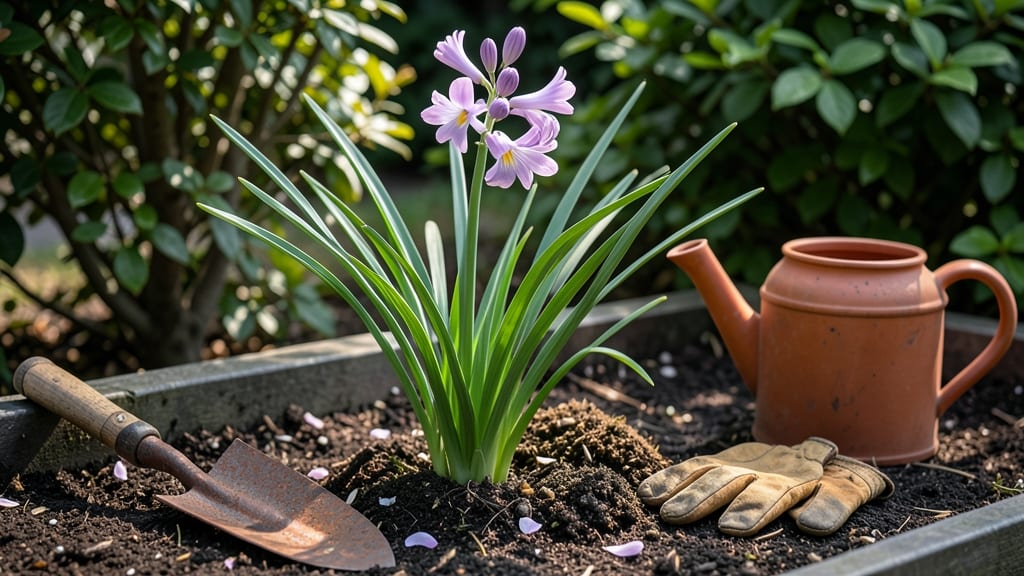
When to plant freesias in Melbourne can make all the difference between a garden bursting with color and a missed opportunity for those fragrant spring blooms you’ve been dreaming of.
With Melbourne’s cool autumn temperatures and unpredictable frost dates, planting too early or too late can leave your freesias struggling. But here’s the good news: a little strategy goes a long way.
By planting in the right window—typically between March and May—you’ll give your freesias the perfect head start for vibrant growth and stunning displays by spring.
Whether you’re a seasoned gardener or just starting out, understanding Melbourne’s microclimates is key. Coastal areas may have milder conditions, while inland spots could face earlier frosts.
I’ll walk you through the exact timing, soil prep, and planting tips to ensure your freesias thrive, no matter where you are in the city.
Ready to transform your garden into a fragrant paradise? Let’s dive into the easiest way to time your freesia planting for maximum impact—and avoid common mistakes that can derail your blooms.
Ideal autumn planting months for freesias in Melbourne’s climate zones
Melbourne’s cool autumn temperatures create perfect conditions for planting freesia corms, but timing varies across the city’s microclimates. Coastal areas like St Kilda and Brighton stay milder longer, while inland zones like Melton and Sunbury experience earlier frosts.
Understanding these differences ensures your freesias establish strong roots before winter dormancy.
For most of Melbourne, March through early May is the sweet spot for autumn planting. This window balances soil warmth (ideal between 10-15°C) with reduced frost risk.
Coastal regions can extend planting until mid-May, while inland areas should finish by late April to avoid early frosts that can damage emerging shoots.
Here’s how Melbourne’s climate zones break down for freesia planting:
If you miss the ideal window, don’t panic! Late autumn planting (May) is still possible in coastal areas, but use frost blankets to protect emerging shoots. Inland gardeners should wait until spring (August-September) for better success, as freesias need consistent warmth to establish.
For extended blooming seasons, stagger your planting by 2-3 weeks. Start with early March plantings in sheltered spots, then add batches every 10 days until your zone’s cutoff. This creates a continuous display from September to November, when freesias shine in Melbourne gardens.
Always check local frost forecasts before planting. The Bureau of Meteorology’s Melbourne forecasts provide real-time updates on minimum temperatures, which are critical for freesias. Aim to plant when nighttime temps stay above 5°C consistently.
Pro tip: Test soil moisture before planting. Freesias hate soggy soil—if your garden stays damp, amend with sand or perlite to improve drainage. Coastal areas often need this adjustment due to high rainfall in autumn.
Remember, freesias are perennial in Melbourne’s climate, so proper autumn planting sets them up for years of low-maintenance blooms. With the right timing and a little local know-how, your garden will burst with fragrant, colorful freesias every spring.
Step-by-step guide: preparing soil and planting freesias for Melbourne’s autumn
Autumn in Melbourne offers the perfect conditions for planting freesias, but success starts with preparing the right soil. Freesias thrive in well-draining, slightly acidic soil with a pH between 6.0 and 7.0.
Melbourne’s clay-heavy soils often need amending to improve aeration and drainage, which is crucial for preventing rot in freesia corms. Start by testing your soil’s pH and adding organic matter like compost or well-rotted manure to enrich it.
Choose a planting location that receives at least 6 hours of sunlight daily, preferably in a spot sheltered from strong winds. Coastal areas like Frankston may experience milder autumns, while inland regions like Bendigo can see earlier frosts.
This means timing and soil prep are equally important—your freesias need to establish roots before winter sets in. Let’s break down the process step by step to ensure your freesias flourish.
Planting Freesias in Melbourne’s Autumn: Step-by-Step
-
Step 1: Test and Amend Soil
Use a soil test kit to check pH. If your soil is too alkaline, mix in peat moss or sulfur to lower the pH. For heavy clay soils, add coarse sand or perlite to improve drainage. Work these amendments into the top 12 inches of soil at least 2 weeks before planting. -
Step 2: Choose the Right Time
Aim to plant freesia corms in late March to early April in Melbourne. This timing ensures they establish roots before cooler temperatures arrive. Coastal areas can plant slightly later, while inland regions should plant earlier to avoid frost damage. -
Step 3: Plant Corms Correctly
Dig holes 2-3 inches deep and space corms 3-4 inches apart. Place each corm with its pointy end facing upward and cover with soil. Avoid burying them too deeply, as this can cause rot. -
Step 4: Water Gently
Water the soil thoroughly after planting to settle it around the corms. Then, water lightly but regularly to keep the soil moist but not soggy. Overwatering is a common mistake that leads to corm rot, especially in Melbourne’s damp autumns. -
Step 5: Mulch for Protection
Apply a 2-inch layer of mulch (like straw or wood chips) around the plants to retain moisture and insulate against cool temperatures. This step is critical in Melbourne’s variable autumn weather, where sudden cold snaps can occur. -
Step 6: Monitor and Adjust
Keep an eye out for pests like slugs or fungal diseases, which thrive in Melbourne’s damp conditions. If you notice yellowing leaves or soft spots on corms, act quickly to treat the issue and prevent spread.
One of the biggest mistakes gardeners make when planting freesias in Melbourne is planting too early in autumn. If you plant in February or early March, the corms may sprout too soon and get damaged by unexpected frosts.
Another common error is overwatering, which can lead to corm rot. Freesias prefer consistent moisture but hate waterlogged soil, so always ensure your planting area has good drainage.
After planting, avoid fertilizing until you see new growth in spring. Freesias are light feeders and don’t need much nutrition during their dormant phase. Instead, focus on keeping the soil well-drained and slightly acidic.
With the right soil prep and planting technique, your freesias will reward you with vibrant spring blooms that add a splash of color to your Melbourne garden. 🌸
For extended blooming, consider planting freesias in two staggered batches, about 3 weeks apart. This way, you’ll enjoy flowers from early spring through to summer, making the most of Melbourne’s mild climate. Happy planting! 🌿