Plants
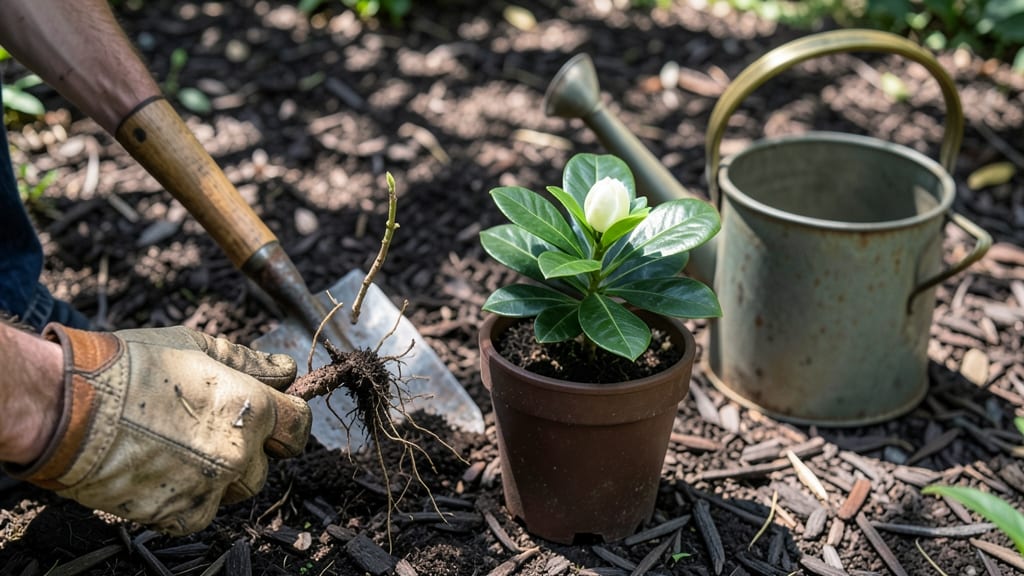
Planting your gardenia 🌸 at the wrong time in Texas could mean the difference between a thriving, fragrant shrub and a sad, wilted mess—especially when frost or scorching heat is lurking around the corner.
You’ve probably heard gardenias love mild weather, but Texas’s 8a-10b zones throw a wrench into that plan. Too early, and a surprise freeze could zap your new plant. Too late, and summer’s brutal heat might shock its roots before it even gets settled.
The secret? Timing it just right—whether you’re in North Texas or down near the Gulf Coast.
I’ve spent years watching gardenias struggle (and thrive) in Texas heat, and the perfect planting windows are February-April or September-November. But here’s the game-changer: it’s not just about the calendar—it’s about reading your local microclimate.
Let me show you how to nail it every time, so your gardenia grows strong and blooms like crazy.
From soil prep to transplanting tricks, we’ll cover everything you need to know to avoid common mistakes and give your gardenia the best shot at survival—and stunning fragrance—for years to come.
Best planting months for gardenias in Texas heat Zones
Texas gardeners know that gardenias (Gardenia jasminoides) thrive in our warm climate—but only if you plant them at the perfect time. These fragrant evergreens hate frost and struggle with intense summer heat, so timing your planting is critical.
In Texas Heat Zones 8a-10a, the ideal windows are late winter/early spring (after frost risk) and fall (before summer’s peak). Let’s break it down by zone to avoid common mistakes.
First, understand that North Texas (Zones 8a-8b) faces harsher winter frosts (down to 10°F), while South Texas (Zones 9a-10a) rarely drops below 20°F. Central Texas (Zone 8a) sits in the middle, requiring extra caution.
Planting too early risks frost damage, while waiting too long stresses young roots in 100°F+ summers. The key? Acclimate gardenias gradually to Texas heat after transplanting.
⚠️ NON-NEGOTIABLE: Gardenias need well-draining, acidic soil (pH 5.0-6.0). Test your soil before planting—Texas clay or alkaline soil will stunt growth. Amend with peat moss or sulfur if needed. Mulch heavily (3-4 inches) to retain moisture and protect roots from temperature swings.
🌱 BEST TIMES BY ZONE: - Zones 8a-8b (North/Central Texas): Plant March-April (after last frost, typically mid-March) or September-October (6-8 weeks before summer heat peaks). - Zones 9a-9b (Central/South Texas): Plant February-March or September to avoid July-August heat waves. - Zone 10a (Deep South Texas): Plant January-February or September-October—cooler months are ideal.
| Texas Heat Zone | Last Frost Date | Ideal Planting Window | Key Consideration |
|---|---|---|---|
| 8a (North Texas) | Mid-March | March–April or Sept–Oct | Avoid April heat; mulch heavily. |
| 8b (Central Texas) | Late February | Late Feb–March or Sept | Watch for late frosts in valleys. |
| 9a (East/Central TX) | Early February | Feb–March or Sept | Humidity helps but watch for fungal risks. |
| 10a (South Texas) | None (rare below 32°F) | Jan–Feb or Sept–Oct | Acclimate slowly to summer heat. |
For spring planting, wait until soil temperatures reach 60°F+ (use a soil thermometer). Fall planting is ideal because cooler temps reduce transplant shock.
In Zone 10a, January planting gives gardenias time to establish before April heat. Hardening off nursery plants for 7-10 days before transplanting is a game-changer—gradually expose them to Texas sun and wind.
After planting, water deeply every 3-5 days (1-2 gallons per plant) to encourage root growth. Avoid overhead watering—use drip irrigation or soaker hoses to prevent fungal diseases like powdery mildew, common in Texas humidity. Prune lightly in late winter to shape the plant, but avoid heavy pruning until established.
Pro tip: Container gardenias in Texas? Use large pots (15+ gallons) with drainage holes and move them to shaded areas during peak afternoon sun (2 PM–6 PM). Dwarf varieties like ‘Kleim’s Hardy’ tolerate heat better than standard types.
Monitor for yellowing leaves—a sign of overwatering or pH issues.
Remember, gardenias need partial shade in Texas summers.
Plant them where they get morning sun and afternoon shade (e.g., east side of a house or under light tree canopy). Mature gardenias (3-6 ft tall) will reward you with heavy blooms from spring to fall—but only if you nail the planting timing!
🌸 Final Tip: If you miss the spring window, fall planting is your backup. Just ensure gardenias have 6-8 weeks to root before summer’s brutal heat arrives. With the right timing, your gardenias will thrive in Texas’s unique climate challenges.
How to time gardenia planting for Texas microclimates
Texas's diverse microclimates—from coastal humidity to inland dry zones—mean your gardenia's perfect planting window varies wildly. In Houston's heat islands, for example, soil warms faster than in Austin's limestone hills.
Even urban sidewalks can create microclimates where gardenias thrive weeks earlier than rural areas. The key? Adjust your timing based on soil temperature, leaf color cues, and local frost patterns.
Don't rely solely on calendar months. A soil thermometer (inserted 4 inches deep) should read 60°F or warmer before planting. In South Texas (Zone 9a-10a), this often means planting as early as late January, while North Texas (Zone 8a) gardeners should wait until mid-April.
Coastal areas like Galveston may even support fall planting in November—but inland Dallas needs to wait until October.
Here’s how to fine-tune your timing for Texas’s most common microclimates:
Plant 2-3 weeks earlier than rural areas. Soil heats up faster—aim for late February to early March for spring planting. Monitor for leaf yellowing (sign of heat stress) and provide afternoon shade with temporary shade cloth.
Extend your window to January-November. Coastal soil stays moist longer, reducing transplant shock. Watch for dark green, glossy leaves—a sign roots are establishing. Fall planting (September-October) works well here due to milder winters.
Wait until soil thermometer hits 65°F+ (usually mid-April). Mulch heavily to retain moisture. Yellowing leaf edges signal drought stress—water deeply 2-3 times per week until established (first 6-8 weeks).
Healthy dark green leaves = roots are happy. Pale yellow = too cold or dry. Brown edges = too hot or salty soil. Adjust watering or mulching based on these signs within 1-2 weeks of planting.
Check soil temp morning and evening for 3 days. If temps dip below 55°F at night, delay planting. 70°F+ = safe to plant. Pro tip: Black plastic mulch warms soil 5-10°F faster in urban areas.
For container gardenias, timing shifts slightly. Potted plants heat up faster—plant 1-2 weeks earlier than in-ground varieties. Use self-watering pots to prevent drought stress, and move containers to shadier spots during 11 AM-3 PM in summer.
Coastal gardeners can even overwinter potted gardenias outdoors year-round with lightweight frost cloth.
Remember: Texas gardenias hate transplant shock. The first 30 days are critical—water deeply every 2-3 days (check soil 2 inches down; it should feel damp, not soggy).
If your gardenia drops buds or leaves within 2 weeks of planting, it’s likely struggling with heat stress or poor drainage. Adjust by adding organic mulch or moving it to partial shade.
With these microclimate tweaks, your gardenias will bloom earlier and more abundantly—no more waiting until July for a few sad flowers. Start with a soil test (aim for pH 5.0-6.0) and adjust your calendar based on your local heat zone. Your nose—and your neighbors—will thank you. 🌸