
Plants
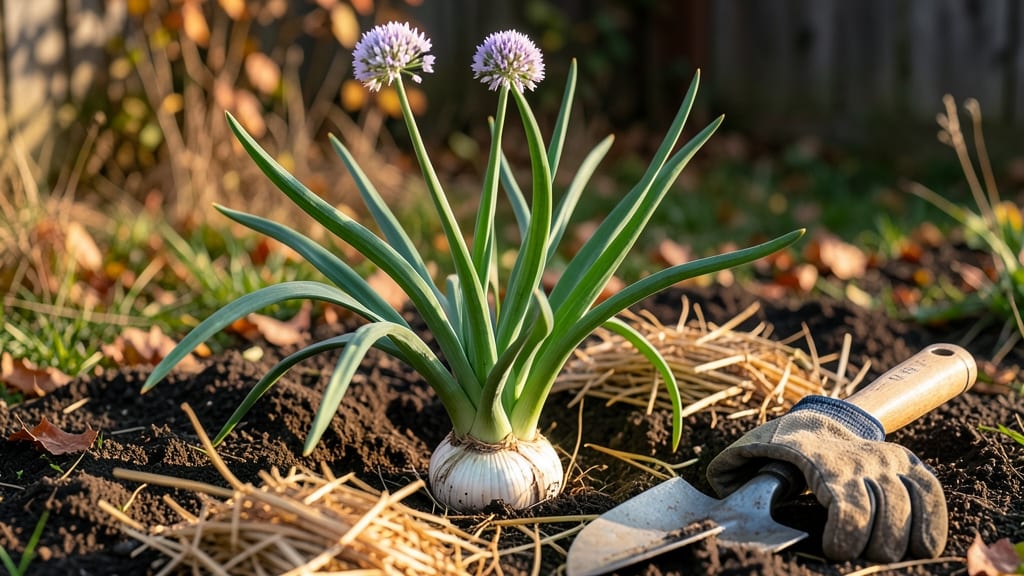
Planting garlic in Seattle isn’t just about timing—it’s about outsmarting the rain and frost to grow those bold, flavorful bulbs you crave. The key is getting cloves 🧄 into the ground 4-6 weeks before the first frost, which for Seattle means late October or early November for hardneck varieties.
Why this window? Garlic needs cold to form bulbs, but too late, and your crop might rot before spring. Softneck varieties are more flexible, but even they thrive with the right prep. I’ll show you exactly how to adjust for Seattle’s 8a climate, from soil prep to frost protection.
Most gardeners make one critical mistake: planting too late or ignoring soil temperature. We’ll fix that with actionable steps, like spacing cloves 4-6 inches deep and using mulch to shield them from winter’s unpredictability.
By the end, you’ll know whether to plant hardneck or softneck garlic, when to fertilize (hint: once in fall), and how to spot harvest-ready bulbs by July or August. Let’s get those cloves in the ground the right way.
Seattle garlic planting calendar: hardneck vs softneck timing by month
Seattle’s cool, wet climate creates unique challenges for garlic growers. Unlike warmer regions, timing is everything—plant too early, and your garlic may rot; too late, and bulbs won’t mature properly. The key lies in understanding hardneck vs. softneck requirements and Seattle’s frost cycles.
Hardnecks need cold vernalization (4-6 weeks below 40°F), while softnecks tolerate milder winters. Let’s break down the month-by-month planting strategy for both types.
Most Seattle gardeners focus on fall planting (October-November), but spring planting is possible with adjustments. Hardnecks planted in fall yield larger bulbs with scapes, while softnecks planted in spring mature faster for year-round harvests.
The last frost date (mid-November) and first frost date (mid-March) anchor our timing decisions. Below, we’ll map out the best windows for each garlic type, including zero-frost strategies for urban gardeners.
For hardneck garlic, the October-November window is critical. Plant 4-6 weeks before ground freezes (typically by November 15 in Seattle). This ensures enough cold vernalization (below 40°F) for scape and bulb development.
Varieties like ‘German White’ or ‘Music’ thrive in Seattle’s climate. If you miss fall, spring planting is a gamble—hardnecks won’t produce scapes and bulbs will be small.
Softneck garlic is more forgiving and can handle late fall or early spring planting. If you plant in December, use 6+ inches of straw mulch to insulate cloves. For spring planting (March-April), choose ‘Artichoke’ or ‘Silverskin’ varieties.
These mature faster but won’t produce scapes. Urban gardeners often use containers with softnecks for year-round harvests, planting in late winter and harvesting in late summer.
Seattle’s microclimates add another layer. Urban areas (like Ballard) may experience earlier frosts than rural zones (like Carnation). Adjust planting dates 1-
How to adjust planting for Seattle’s frost zones (7-9) without losing your crop
Seattle’s USDA zones 7-9 create a unique challenge for garlic growers. Hardneck varieties actually require cold to form bulbs, while softnecks tolerate cold but don’t need it. Getting this balance right means the difference between flavorful harvests and wasted cloves.
Urban gardens with microclimates or rural areas with heavier frost demand different strategies to protect your crop.
Start with soil preparation—Seattle’s acidic soils often need lime adjustment (aim for pH 6.0-7.0). Work in compost or aged manure to improve drainage, especially in urban containers where soil compacts quickly. Hardnecks thrive in well-draining soil, while softnecks can handle slightly heavier textures.
⚠️ callout-warning
Urban gardens near buildings or low-lying areas can experience 3-5°F colder temps than rural zones. Hardnecks planted too late may bolt prematurely if exposed to warm spells after frost. Use frost cloth or straw mulch (4-6 inches thick) to insulate soil and protect emerging shoots.
🌱 Pro Tip: Test your microclimate by placing a frost-sensitive plant (like basil) in your garden spot—if it dies in winter, your garlic needs extra protection.
Mulching is your best frost-defense tool. For hardnecks, use straw or leaves (6 inches deep) to insulate soil and encourage cold stratification. Softnecks benefit from black plastic mulch in early spring to warm soil faster and prevent bolting. In urban containers, wrap pots with bubble wrap or frost blankets for extra protection during late-winter thaws.
Adjust planting depth and timing based on your zone. In Zone 7 (e.g., Snoqualmie), plant 6-8 weeks before first frost (mid-September).
In Zone 9 (e.g., Ballard), wait until October-November to avoid warm soil that triggers premature bolting. Hardnecks need 40-60 days below 40°F, so Zone 8a (most of Seattle) is ideal for varieties like 'German White' or 'Silverskin'.
For urban gardeners, container growing offers flexibility. Use 5-gallon pots with well-draining mix and plant 2-3 cloves per pot. Place containers near south-facing walls to absorb heat during winter. Rural gardeners can take advantage of natural windbreaks (like hedgerows) to reduce frost damage.
In both cases, avoid overhead watering before frost—wet leaves freeze and damage plant tissue.
Monitor your garlic’s growth stages closely. If shoots emerge before frost, cover them with row fabric or cardboard to protect tender tips. Once fully hardened off (leaves turn brown), reduce mulch thickness to 2 inches to prevent rot.
In late spring, fertilize lightly with 5-10-10 to boost bulb development—but stop by June to prevent late-season growth that weakens bulbs.
With these frost-adaptation strategies, you’ll maximize bulb size and flavor regardless of Seattle’s unpredictable winters. Hardnecks will develop scapes (a bonus harvest!), while softnecks will store well for months.
The key? Know your microclimate, time your planting, and protect your crop when winter hits hardest. 🌱