
Plants
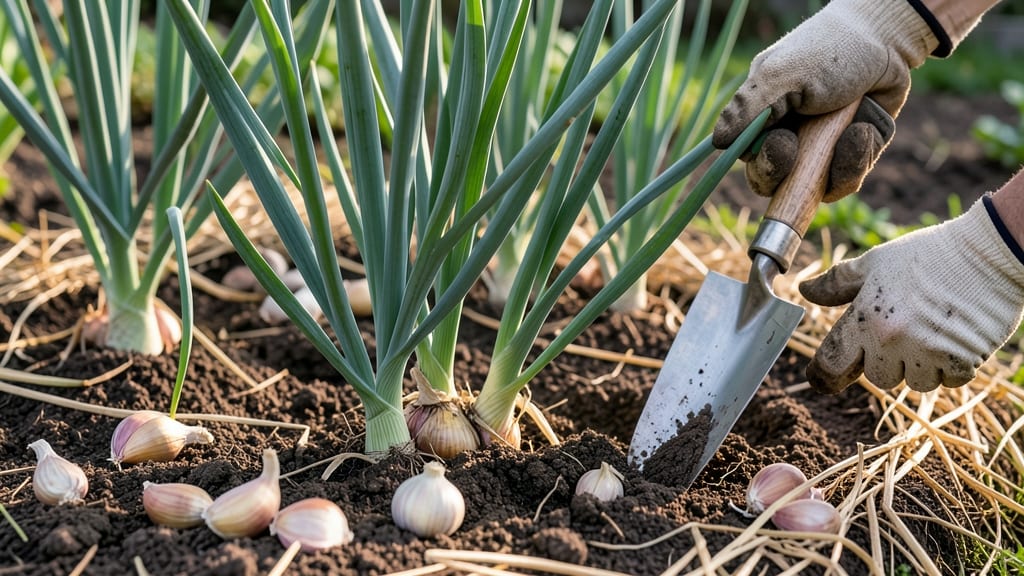
Planting garlic in South Florida might seem tricky—after all, the zero-frost climate throws a wrench into traditional timing. But here’s the secret: the best months to plant 🧄 are actually October through November, when cooler temps give your cloves the head start they need without risking summer’s brutal heat.
Most gardeners assume garlic needs cold winters to form bulbs, but South Florida’s mild climate means we can cheat the system. By planting in fall, you’ll avoid the stress of spring heat and still get a harvest by April or May—just like the pros.
The key? Picking the right variety (softneck works best here) and giving your soil the right prep.
Skip the guesswork and let’s break it down: soil, spacing, and even pest tricks that actually work in our humid climate. Whether you’re a first-timer or a seasoned gardener, these simple steps will turn your garlic dreams into a flavorful reality—no frost required.
Ready to grow garlic that rivals the grocery store? Let’s dive into the exact timing, soil secrets, and care tips that’ll make your harvest the envy of the neighborhood.
Best months to plant garlic in South Florida’s zero-frost zone
South Florida’s tropical climate (USDA Zones 10–11) means no frost to worry about—but that doesn’t mean garlic can be planted anytime. Unlike colder regions, fall planting is your golden window for plump, flavorful bulbs. The key? Cool 60–75°F soil temperatures that trigger root growth without summer’s heat stress.
Most gardeners in Florida’s zero-frost zone swear by planting between mid-October and late November. This 6-week window gives cloves time to establish roots before summer’s heat arrives. Plant too early (like September), and you risk heat stress or even bolting (flowering prematurely).
Too late (December or later), and bulbs may not mature before summer’s intense sun.
| Planting Window | Ideal Soil Temp (°F) | Microclimate Notes | Harvest Window |
|---|---|---|---|
| Mid-October – Late November | 60–75°F | Coastal areas: Plant by early November (warmer microclimates). Inland: Extend to mid-December if temps stay mild. | April–May (fall-planted) |
| January – Early February | 65–70°F | Cooler inland areas only. Coastal plantings risk heat stress by March. | June–July (winter-planted) |
| Avoid: September, December+ | Above 75°F or below 55°F | September: Bolting risk. December+: Bulbs may not mature before summer heat. | Poor yields or no harvest |
Why does fall planting work best in South Florida? Unlike northern climates, garlic here doesn’t need cold vernalization (a chill period) to form bulbs. Instead, it relies on consistent moisture and moderate temps to develop roots before summer’s dry heat arrives.
Spring planting is risky because high temperatures (above 80°F) can cause cloves to rot before they sprout.
For coastal areas (like Miami or Fort Lauderdale), aim for early November at the latest. The ocean’s moderating effect keeps soils warmer longer, so planting after November 15th often leads to smaller bulbs.
Inland areas (like Orlando or Tampa) can push planting to mid-December if nighttime temps stay above 55°F.
Pro tip: Use a soil thermometer to check depth (2 inches). If temps exceed 78°F, delay planting until evening temps drop. Morning temps below 60°F can stunt root growth, so avoid early September plantings unless you’re in a high-altitude microclimate (like the Everglades).
What if you miss the fall window? You can try a winter planting in January–February, but yields are often 50% smaller due to summer heat stress. For best results, stick to the October–November window and focus on softneck varieties, which handle Florida’s heat better than hardnecks.
One common mistake? Assuming all garlic varieties perform equally in South Florida. Hardneck garlic (like Rocambole or Purple Stripe) often bolts prematurely in our heat, while softneck varieties (like Silverskin or Artichoke) thrive year-round.
For your first try, grab Florida-friendly softnecks from local nurseries like Bonnet House or Palm Beach Garden Center.
Remember: Garlic planted in fall takes about 6–7 months to mature, while winter plantings may take 8+ months due to summer’s intensity. Plan ahead—your April–May harvest will be worth the wait! 🧄
How to choose and prepare garlic for South Florida’s climate
South Florida’s warm winters and humid summers demand careful garlic variety selection. Unlike colder climates, hardneck varieties struggle here—they need cold to form bulbs. Instead, opt for softneck varieties, which thrive in heat and produce longer storage bulbs.
Popular choices include Artichoke or Silverskin garlic, both perfect for Florida’s USDA Zones 10–11.
Start by breaking whole bulbs into individual cloves 1–2 days before planting. Remove excess papery skins but leave the root end intact. This prevents drying and ensures faster sprouting.
Use only plump, firm cloves—small or soft ones won’t yield strong plants. Save the best cloves for next season’s planting!
Garlic Variety & Prep Guide
| Factor | Softneck Garlic | Hardneck Garlic |
|---|---|---|
| Best for Climate | ✅ Thrives in heat (South Florida) | ❌ Fails without cold (needs frost) |
| Storage Life | ✅ 6–12 months (longer) | ⚠️ 4–6 months (shorter) |
| Bulb Size | ✅ Larger cloves, bigger bulbs | ⚠️ Smaller bulbs (less yield) |
| Prep Tip | Plant October–November for spring harvest | Avoid—won’t bulb in heat |
Prepare your soil by amending it with 2–3 inches of compost or well-rotted manure to improve drainage. Garlic prefers slightly acidic soil (pH 6.0–6.5). Test your soil—if it’s too alkaline, mix in sulfur or peat moss.
Avoid fresh manure, which can burn roots. Work the amendments into the top 6–8 inches of soil for optimal root development.
Space cloves 4–6 inches apart in rows 8–12 inches apart. Overcrowding leads to smaller bulbs and increased disease risk. Plant cloves 2 inches deep, with the pointed end facing up.
This ensures straight growth and prevents stem rot. A little mulch (straw or pine needles) helps retain moisture and suppress weeds.
Common mistakes include planting too shallow (cloves dry out) or too deep (roots struggle). Also, avoid planting garlic where onions, leeks, or garlic grew in the past year to prevent soil-borne diseases. Rotate crops to keep your garlic healthy and productive for years.
With the right variety and prep, your South Florida garlic will thrive—producing bold-flavored bulbs ready for harvest in 4–6 months. Happy planting! 🌱