
Plants
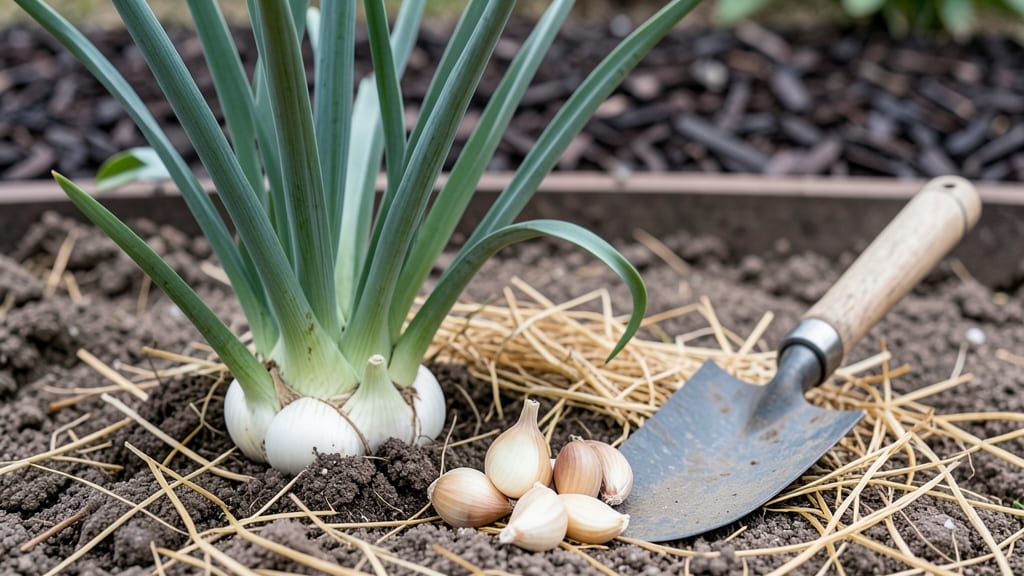
To plant garlic in the spring and actually get those big, flavorful bulbs you’re dreaming of, timing is everything—and yes, it’s possible, even though most gardeners swear by fall planting. This cool-season crop thrives when soil temperatures are still crisp, not when summer heat arrives.
I’ve grown 🧄 garlic for years, and I’ll show you exactly when to get those cloves in the ground for the best results, no matter where you live.
Spring planting works best in USDA Zone 6a and colder climates, where you can sneak in a harvest before summer’s intensity kicks in. The key? Planting as soon as the ground is workable—usually 4-6 weeks before your last frost date.
Too early, and the cloves rot; too late, and you’ll miss the sweet spot for bulb development. Let’s break down the perfect window and what to watch for.
You might think spring garlic is just a backup plan, but with the right variety—like hardy Rocambole or Purple Stripe—you can get just as bold a flavor as fall-planted garlic. The trick is choosing cold-tolerant types and giving them the right conditions.
I’ll walk you through the steps to avoid common mistakes, from soil prep to spacing, so your harvest comes out plump and ready for roasting.
Ready to grow your own? By the end of this, you’ll know exactly when to plant, which varieties to pick, and how to set yourself up for a harvest that’ll make your kitchen smell amazing. Let’s get those cloves in the ground the right way!
Best spring planting windows for garlic by US hardiness zones
Garlic thrives in cool spring temperatures and needs 6-8 weeks of chilly weather before summer heat sets in. Planting too early or late can stunt bulb development, so timing depends on your USDA hardiness zone.
In most regions, early spring planting (February to April) works best for a summer harvest, but colder zones need adjustments.
For optimal bulb formation, soil temperatures should stay between 40°F and 60°F (4°C–15°C) during early growth. Warmer zones (like Zone 8) can plant as late as March or April, while colder climates (Zone 3-5) should plant by late February or early March to avoid frost damage.
Always check your last frost date and aim to plant 4-6 weeks before.
Spring-planted garlic grows slower than fall-planted varieties but still produces flavorful bulbs. The key is ensuring consistent moisture and well-draining soil to prevent rot. Mulching with straw helps regulate soil temps and retain moisture during dry spells.
If you missed the fall planting window, don’t worry—spring is your second chance! Just adjust your timing based on your zone to give bulbs enough time to mature before summer heat stresses them.
In Zones 6-8, you can even plant into early April, but avoid planting after May 1st in warmer areas.
Soil temperature is critical: use a soil thermometer to confirm it’s below 60°F (15°C) before planting. If temps rise too soon, garlic may bolt (flower prematurely) or produce small, pungent bulbs. In Zone 3-5, plant as early as February to capitalize on cool spring soil.
| USDA Zone | Ideal Planting Window | Soil Temp Goal | Key Consideration |
|---|---|---|---|
| Zone 3-4 | Late February–Early March | 40°F–50°F (4°C–10°C) | Plant before last frost; use heavy mulch. |
| Zone 5-6 | Mid-March–Early April | 45°F–55°F (7°C–13°C) | Avoid planting after April 15th. |
| Zone 7-8 | Early–Mid April | 50°F–60°F (10°C–15°C) | Use shade cloth if temps exceed 70°F (21°C). |
In Zone 3-4, where winters are harsh, focus on early February planting to ensure bulbs establish roots before soil warms. Use cold-hardy varieties like Silverskin or Creole, which tolerate sub-freezing temps.
In Zone 5-6, aim for March planting—this gives garlic enough time to mature before summer heat arrives.
For Zones 7-8, where winters are mild, April planting is ideal. However, watch for early summer heat, which can cause garlic to bolt. If your area heats up quickly, opt for shade-tolerant varieties like Artichoke or Purple Stripe, which handle warmth better than softneck types.
Always test soil moisture before planting—garlic needs consistent watering but hates soggy soil. In dry climates, drip irrigation works best to keep roots moist without overwatering. After planting, apply 2-3 inches of mulch to retain moisture and regulate soil temperature.
Remember: Spring-planted garlic takes longer to mature (240+ days) than fall-planted varieties (180 days). Plan accordingly, and consider harvesting scapes (flower stalks) in early summer to redirect energy into bulb growth. This simple step can double your yield!
If you’re unsure about your zone’s last frost date, check the USDA Plant Hardiness Zone Map or local agricultural extension service. Timing is everything—get it right, and you’ll enjoy plump, flavorful garlic bulbs by midsummer! 🧄
Cold-hardy garlic varieties that thrive in spring planting
Spring planting gives you a second chance to grow garlic if you missed the fall window, but not all varieties handle it well. The key is choosing cold-hardy types that tolerate spring's unpredictable weather while still forming robust bulbs.
These varieties excel because they balance early vigor with late-season maturity, making them perfect for spring-planted gardens.
When selecting varieties for spring, prioritize those with longer growing seasons (240+ days) and strong overwintering ability. Rocambole and Artichoke types often perform best, but some Purple Stripes also adapt well. The right choice depends on your USDA zone and whether you want mild or bold flavors.
For spring planting, I recommend starting with Rocambole or Artichoke types—they handle cooler soils better than others.
These varieties develop strong root systems early, which compensates for the shorter growing season. Purple Stripe is another top pick if you love bold flavors and don’t mind harvesting slightly smaller bulbs.
When selecting cloves, choose the largest, healthiest ones from your spring-planted garlic. Plant them 2 inches deep in well-draining soil with compost added for nutrients. Mulch heavily with straw to protect from late frosts and retain moisture—this is critical for spring-planted garlic.
Expect your spring garlic to mature about 4-6 weeks later than fall-planted varieties. Harvest when lower leaves turn brown but before the tops flop over completely. Cure the bulbs in a dry, shaded area for 2-3 weeks to extend their shelf life.
Pro tip: If you're in Zone 5 or colder, pair your spring garlic with early-maturing varieties like Creole to maximize your harvest before summer heat sets in. With the right variety and care, your spring-planted garlic can be just as productive as fall-planted crops!