
Plants
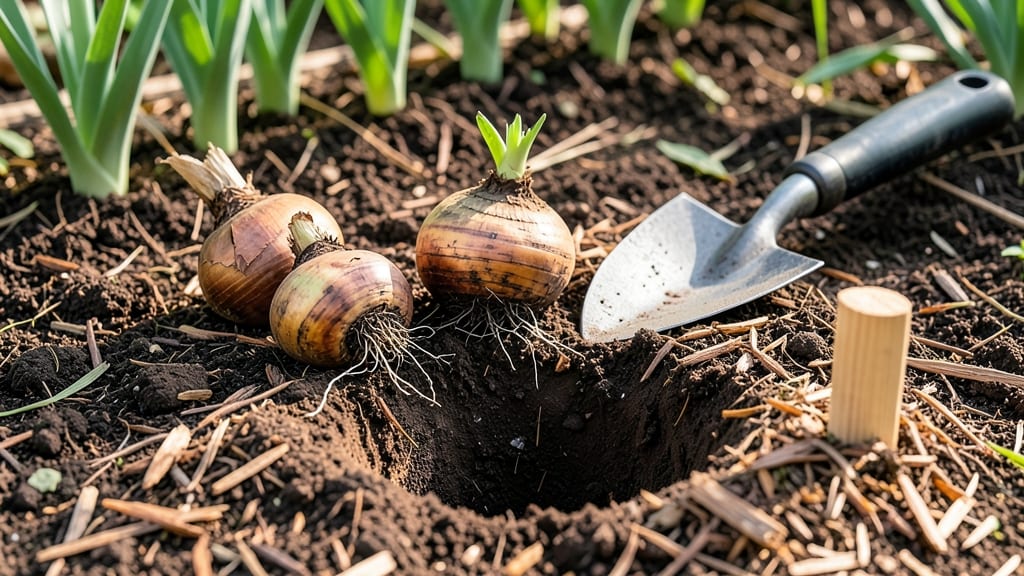
Planting gladiolus bulbs at the wrong time in Pennsylvania can mean the difference between a stunning summer display of 🌸 and a wasted season.
With frost dates that shift from late April in the north to mid-May in the south, timing these corms correctly is the key to vibrant blooms that thrive without freezing.
Most gardeners assume spring is the only option, but Pennsylvania’s mild fall seasons actually allow for a second planting window—if you know the secrets.
Whether you’re in Zone 5b or 7a, understanding your local frost patterns and soil temperatures will help you avoid common mistakes that lead to rot or stunted growth.
I’ve tested both spring and fall planting methods across Pennsylvania’s diverse microclimates, and what I’m about to share will save you from costly errors. From soil prep to post-planting care, these proven strategies ensure your gladiolus corms establish strong roots before summer’s heat arrives.
Ready to transform your garden into a parade of towering blooms? Let’s break down the exact planting schedule, soil conditions, and care tips tailored for Pennsylvania’s climate—so you can enjoy those dramatic spikes from July through September.
Optimal gladiolus planting times in Pennsylvania: spring vs fall breakdown
Pennsylvania gardeners know timing is everything for gladiolus blooms. These showstopper flowers thrive with precise planting windows—60°F soil minimum and frost-free conditions. In PA’s USDA zones 4-7, your location (Pittsburgh vs. Philadelphia) shifts the ideal window by 2-3 weeks.
Let’s break down the exact months and microclimate adjustments to guarantee zero-frost damage and peak summer color.
Spring planting dominates for gladiolus, but fall offers a high-risk, high-reward alternative in PA’s warmer zones (6-7). The key difference? Spring plants emerge 6 weeks earlier and bloom by July 4th, while fall-planted corms may need cold protection to survive winter.
We’ll cover both strategies with month-by-month deadlines and regional tweaks.
🌱 Comparison Table: Spring vs. Fall Planting in Pennsylvania
For spring planting, Pennsylvania’s last frost typically lands between April 15 (Zone 4) and May 1 (Zone 7). Use your local Almanac frost dates as your guide—plant 2 weeks after the average last frost to avoid cold soil rot.
In Pittsburgh (Zone 6), aim for May 1-15, while Philadelphia (Zone 7) gardeners can start as early as April 20.
Soil temperature is non-negotiable: gladiolus corms won’t sprout below 60°F. Use a soil thermometer to confirm—if readings dip, wait 1-2 weeks. Pro tip: Black plastic mulch warms soil 5-10°F faster in cooler zones.
Pair this with well-draining soil (PA’s clay soils need compost amendments) to prevent bulb rot.
Fall planting in Pennsylvania is highly regional. In Zone 7 (Philadelphia, Lancaster), you can push planting to October 1-15 with 6 inches of straw mulch. However, Zone 4-5 (Erie, State College) gardeners should stop by September 15—corms need 6+ weeks to establish roots before winter.
Always dig up and store gladiolus in colder zones after the first frost.
Microclimates matter: Urban heat islands (like Philadelphia) can extend fall planting by 10 days, while mountainous areas (Poconos) may need earlier spring planting. Check your local weather station for 10-year frost averages—these are more accurate than USDA zone maps for planting deadlines.
For example, Pittsburgh’s last frost averages April 22, but 2021’s was May 5.
Post-planting care makes or breaks your gladiolus. After planting, water deeply (1-2 inches) to settle soil, then reduce to weekly once sprouts appear. Fertilize lightly with 10-10-10 at <
5 Critical factors that determine your gladiolus planting success in PA
Gladiolus bulbs thrive in Pennsylvania’s climate when you nail these 5 non-negotiable factors. Skipping even one can turn your dream garden into a sad, frost-bitten disappointment. Let’s break down what truly matters for zero-frost blooms that steal the show every summer.
First, soil temperature must hit at least 60°F before planting. Cold soil slows root growth and invites rot. Use a soil thermometer—don’t guess! This rule applies whether you’re planting in spring or fall, though spring is the safer bet for beginners.
Next, frost risk is your biggest enemy. Pennsylvania’s last frost dates vary wildly—April 15 in the south to May 15 in the north. Check your USDA zone (5b-7a) and local weather alerts. Planting too early means frost damage; too late, and you’ll miss summer blooms.
Don’t overlook bulb hardiness. Gladiolus corms are tender perennials in PA—they’ll die back in winter. Treat them as annuals or dig them up after frost. Choose hardy varieties like ‘Picasso’ or ‘Green Star’ for better survival rates if you’re pushing the envelope with fall planting.
Now, here’s the deal on sunlight: 6+ hours of full sun daily is non-negotiable. Gladiolus need this to grow tall and produce those dramatic spikes. Shade? You’ll get leggy stems and fewer blooms. South-facing beds are ideal, but even west-facing spots work if they get afternoon sun.
Last but not least, drainage is critical—especially in PA’s heavy clay soils. Waterlogged roots = rot. Amend your soil with compost or sand to improve drainage.
If your garden holds water, plant gladiolus on mounds or in raised beds. A quick soil test will reveal if you need to adjust pH too.
- 1 Soil Temperature: Wait until soil reaches 60°F+ (use a thermometer!). Planting in cold soil = rot risk.
- 2 Frost Dates: Check your USDA zone (5b-7a). Plant after last frost (late April–mid-May) or risk frost damage.
- 3 Bulb Hardiness: Treat gladiolus as annuals in PA or dig up corms before frost. Choose hardy varieties like ‘Picasso’.
- 4 Sunlight Needs: 6+ hours of full sun daily. South-facing beds are best; west-facing works too.
- 5 Drainage Fix: Amend clay soil with compost/sand. Plant on mounds or in raised beds if drainage is poor.
Before you dig, grab this pre-planting checklist to avoid common mistakes. Test your soil’s drainage and pH (aim for 6.0–7.0). Mix in compost for nutrients, and mark your planting dates on a calendar. Pro tip: Use mulch after planting to retain moisture and suppress weeds.
Master these 5 factors, and you’ll enjoy bold, frost-free gladiolus blooms from July to September—no guesswork, just glory. Happy planting! 🌸