
Plants
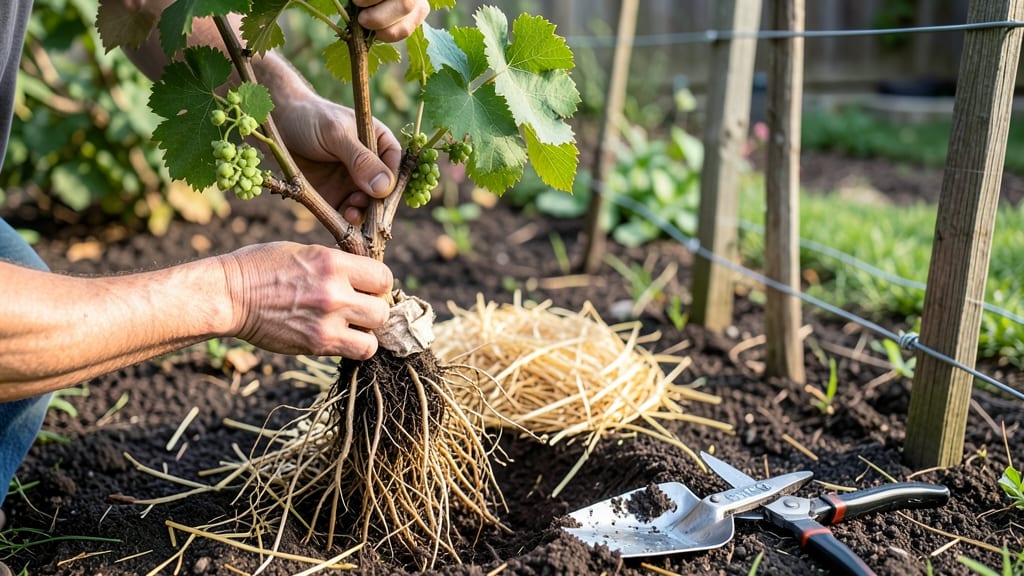
Planting grapes in Illinois isn't just about timing—it's about surviving the Zone 5 winters and thriving through the humid summers. Whether you're dreaming of backyard grapevines or planning a commercial harvest, getting the window right means the difference between a flourishing 🍇 vine and a frost-killed disappointment.
Most gardeners assume spring is the only option, but fall planting can give your vines a head start—if you know the exact dates to avoid.
I've researched Illinois's frost patterns and talked to local growers, and what I'm about to share will help you pick the perfect moment for your climate, whether you're in Chicago's cooler north or southern Illinois's slightly milder zones.
You'll discover why early April or late September are the golden windows for planting, how to prepare your soil for maximum root growth, and which cold-hardy varieties actually perform best in our unpredictable weather.
Let's get those vines in the ground the right way—so you can enjoy homegrown grapes by next summer.
The key isn't just when to plant—it's how to set up your grapes for success from day one. We'll cover everything from bare-root planting tips to trellis systems that protect against winter winds. Ready to turn your Illinois backyard into a grape-growing powerhouse? Let's dive in.
Best planting timeline for Illinois grapes: month-by-month breakdown
Timing is everything when planting grapes in Illinois, where Zone 5 winters and humid summers demand precision. The last frost date typically falls around April 15 in most regions, but northern Illinois can see frost as late as May 1.
For optimal success, focus on early spring (April-May) or early fall (September-October) planting windows. These periods allow vines to establish roots before extreme temperatures arrive.
Southern Illinois, with its slightly milder climate, may extend the spring window to late May, but northern areas should plant by mid-April to avoid late frosts. Fall planting offers a second chance, but aim to finish by mid-October—vines need 4-6 weeks to root before winter dormancy.
Cold-hardy varieties like 'Frontenac' or 'Marquette' tolerate these conditions better than traditional Vitis vinifera types.
Soil temperature is critical—wait until the ground reaches 50°F (10°C) for spring planting. Use a soil thermometer to monitor progress, especially in cooler microclimates like northern Illinois.
For fall, target 60°F (15°C) soil temps and plant 4-6 weeks before first frost. This timing ensures vines harden off naturally before winter.
Here’s your month-by-month planting guide, tailored to Illinois’s climate zones and variety needs:
| Month | Task | Northern IL | Southern IL | Notes |
|---|---|---|---|---|
| March | Soil Prep | Test pH (6.0-6.5) | Test pH (6.0-6.5) | Amend with compost if needed |
| April | Plant Bare-Root | Early April (after frost) | Mid-April | Use cold-hardy varieties |
| May | Plant Container Grapes | Late May (if frost risk) | Early May | Avoid heat stress |
| June | Prune New Growth | Light pruning | Light pruning | Encourage canopy development |
| September | Fall Planting | Early Sept (60°F soil) | Mid-Sept | Water deeply before frost |
| October | Winter Prep | Mulch heavily | Mulch heavily | Protect from windburn |
For spring planting in Illinois, prioritize bare-root vines over potted plants—they establish faster in cool soils. If you’re in northern Illinois, opt for 'Frontenac' or 'Valvin Muscat', which handle late frosts better than 'Concord'.
In southern Illinois, you can push the envelope with 'Catawba' or 'Niagara', but still plant by mid-May to avoid heat stress.
Fall planting is ideal for young vines because cooler
Top 5 cold-hardy grape varieties for Illinois Zone 5 gardens
Choosing the right grape varieties for Illinois’s Zone 5 climate means balancing cold hardiness with fruit quality. Traditional Vitis vinifera grapes often struggle in harsh winters, but cold-hardy hybrids like Frontenac and Marquette thrive with minimal fuss.
These varieties resist frost damage, disease, and even powdery mildew—common challenges in Illinois’s humid summers.
Hybrid grapes offer better disease resistance and faster establishment than vinifera, making them ideal for beginners. However, they may lack the complex flavors of European varieties.
Below, I’ve compared the top 5 cold-hardy grapes for Illinois, weighing yield potential, maintenance needs, and taste profiles to help you pick the perfect vine for your garden.
🍇 Cold-Hardy Grape Varieties: Pros & Cons
• Zone 3 hardiness
• High yield (30+ lbs/vine)
• Disease-resistant
• Large berries (prone to cracking)
• Mild flavor (not wine-quality)
• Zone 4 hardiness
• Balanced flavor
• Compact growth
• Lower yield (~15 lbs/vine)
• Needs pruning for best fruit
• Zone 4 hardiness
• Sweet aroma
• Early ripening
• Sensitive to humidity
• Bird attraction (needs netting)
• Zone 4 hardiness
• Drought-tolerant
• Versatile use (eating/wine)
• Small berries
• Moderate yield
• Zone 4 hardiness
• High sugar content
• Great for jellies
• Thin-skinned (bruises easily)
• Lower cold tolerance than Frontenac
Frontenac stands out as the hardiest option, surviving -30°F and producing large, purple berries perfect for jams or fresh eating. Its high yield makes it a favorite for homesteaders, though the flavor is mild compared to vinifera. For better taste, try Marquette, a red wine grape with balanced acidity and compact vines—ideal for small gardens.
Valvin Muscat is a sweet, aromatic choice, but its thin skins require careful pest management. If you prefer drought-resistant varieties, Bacchus delivers small but flavorful grapes with minimal watering. Meanwhile, LaCrescent excels for preserving, with high sugar levels and a tart-sweet profile—though it bruises easily during harvest.
Hybrids like Frontenac and Marquette require minimal spraying for diseases, while vinifera grapes (like Concord) need regular fungicide in Illinois’s humid climate. For low-maintenance success, prioritize disease-resistant hybrids and well-drained soil. With the right variety, you’ll enjoy homegrown grapes year after year—even in Zone 5!
🌱