
Plants
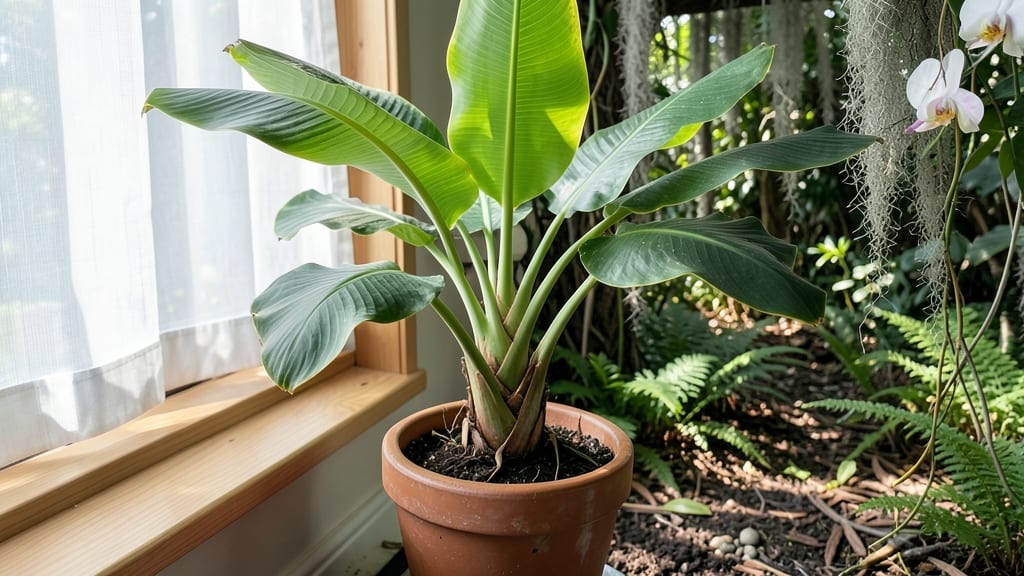
To keep your 🍌 banana plant thriving, you might think it just needs some sunlight—but the truth is, getting the light balance wrong can mean the difference between a lush tropical giant and a struggling underachiever.
Banana plants are sun-worshippers, craving 6-8+ hours of direct light daily to fuel their rapid growth and fruit production. Too little light, and you’ll see weak stems and yellowing leaves.
Too much? Watch as the edges crisp and brown. The key is finding that sweet spot—especially tricky if you’re growing indoors or in cooler climates.
Whether you’re nurturing a towering outdoor banana plant in zones 10-12 or coaxing a dwarf variety to life near a sunny window, I’ll break down exactly how to meet their sunlight needs—plus how to spot when they’re begging for more (or less) light.
Let’s dive into the secrets of sunlight success so your banana plant can grow strong, healthy, and ready to reward you with those sweet, golden clusters.


Banana plant sunlight requirements: full sun vs partial shade explained
Banana plants (genus Musa) crave sunlight like a tropical vacation, but their needs vary by variety. Most commercial types, like Cavendish bananas (Musa acuminata hybrids), demand 6-8+ hours of direct sun daily to produce fruit and grow vigorously.
Meanwhile, Musa balbisiana varieties (like plantains) tolerate slightly less light but still thrive with 5-6 hours of sun. Understanding these differences is key to avoiding stunted growth or leaf yellowing.
In my Zone 10 garden, I’ve learned that seasonal adjustments are critical. During summer’s intense 100°F+ heat, I provide afternoon shade to prevent leaf scorch, while winter’s milder 60°F days allow full sun exposure.
This balance mimics their native tropical climate and prevents stress. Let’s break down the specifics so you can replicate this success.
| Variety | Ideal Sunlight | Partial Shade Tolerance | Fruiting Impact | Seasonal Adjustments |
|---|---|---|---|---|
| Musa acuminata (e.g., Cavendish) | 6-8+ hours direct | Poor (leaf yellowing) | No fruit without full sun | Afternoon shade in summer |
| Musa balbisiana (e.g., Plantains) | 5-6 hours direct | Moderate (slower growth) | Reduced yield in shade | Morning sun preferred |
| Dwarf Varieties (e.g., 'Dwarf Cavendish') | 4-6 hours direct | Good (indoor-friendly) | Small fruit, fewer bunches | Grow lights for indoors |
For Musa acuminata varieties, full sun is non-negotiable—they won’t fruit without it. I’ve seen Cavendish plants in my garden produce tiny, seedless bananas when deprived of light, while those in full sun yield large, sweet bunches.
The leaf color is your first clue: deep green means happy, while pale or yellowing leaves signal light deficiency or nutrient starvation.
If you’re growing dwarf banana plants indoors, place them near a south-facing window where they can receive 4-6 hours of direct light. In my Zone 7 greenhouse, I supplement with a 15W LED grow light for 12 hours daily during winter.
This mimics the tropical sunlight they crave and prevents leggy growth or weak stems.
Watch for seasonal light changes, especially if you’re in cooler climates. In winter months, shorter days mean reduced sunlight. I’ve found that rotating plants every 2-3 weeks ensures even growth and prevents one-sided leaf development.
This is especially important for young banana plants, which are more sensitive to light imbalances.
Overwatering or poor drainage can mimic light deficiency symptoms, so always check your soil moisture before diagnosing. In my experience, yellowing leaves often stem from root rot rather than sunlight issues.
To test, gently tug on the plant—if it resists, the roots are healthy. If it pulls out easily, you’ve got a watering problem, not a light problem.
For outdoor banana plants, position them where they receive morning sun and afternoon shade in hot climates. This prevents leaf scorch while still providing enough energy for growth.
In my Florida garden, I’ve used shade cloth (30-50%) during peak summer hours to protect mature plants without sacrificing fruit production.
If your banana plant’s leaves are curling or crisping, it’s likely getting too much direct sun, especially in high-heat zones. Move it to a slightly shadier spot and monitor for improvement within 1-2 weeks.
Conversely, slow growth or small leaves mean it needs more light. Adjust gradually to avoid shocking the plant.
Remember, banana plants are heavy feeders, and their sunlight needs are directly tied to their nutrient uptake. When they get the right amount of light, they’ll reward you with lush foliage and abundant fruit.
Start with the right sunlight balance, and your banana plant will thrive—whether it’s a towering tropical giant or a compact indoor specimen
How to provide perfect light for banana plants indoors or outdoors
Banana plants crave bright, direct sunlight—just like their tropical homeland—but too much or too little can spell disaster. For outdoor growth, position your plant where it gets 6-8 hours of sunlight daily, preferably in a south-facing spot with afternoon shade during scorching summers.
If you're growing indoors, a sunny windowsill or grow lights become your best friends to mimic those tropical conditions.
I've learned the hard way that weak stems and yellowing leaves often signal light issues. Whether you're dealing with a dwarf banana in a pot or a full-sized plant in your garden, understanding how to adjust light exposure can mean the difference between a thriving plant and a struggling one.
Let's break down the best ways to provide that perfect balance.
🌱 Banana Plant Light Checklist
- 🌞 Outdoor Placement: Choose a south-facing spot with morning sun + afternoon shade in hot climates
- 🏠 Indoor Windows: South or west-facing windows provide the most light; rotate pots weekly for even growth
- 💡 Grow Lights: Use LED grow lights 12-16 inches above plants for 12-14 hours/day (full spectrum preferred)
- 🌿 Leaf Signals: Yellow leaves? Move to brighter light; brown tips? Reduce direct sun or increase humidity
- 🌡️ Seasonal Adjustments: In winter, supplement with grow lights if natural light drops below 4-6 hours/day
For outdoor banana plants, I recommend planting them near a fence or wall that gets full sun but provides some afternoon shade during peak summer months. This mimics their natural habitat where they grow under taller trees.
If you notice leaf scorch (brown edges), it's a sign of too much direct afternoon sun—try moving your plant to a spot with dappled shade during the hottest hours.
Indoor growers often struggle with insufficient light, especially in north-facing apartments. I've found that south-facing windows work best, but even then, you might need to rotate your plant weekly to prevent it from leaning toward the light.
If your windowsill isn't cutting it, grow lights are a game-changer. A full-spectrum LED placed 12-16 inches above your banana plant for 12-14 hours a day can replicate tropical sunlight perfectly.
One common mistake I see is overwatering stressed plants due to light issues. If your banana plant isn't getting enough light, it won't grow strong roots, leading to weak stems and yellow leaves.
Always pair proper light with consistent watering—deep soaks every 2-3 days—and well-draining soil to avoid root rot. A mulch layer can also help retain moisture while keeping roots cool.
Remember, banana plants are forgiving but need consistent conditions. If you're troubleshooting slow growth or no fruiting, check your light first.
A bright, sunny spot (or grow lights) is the foundation for a healthy, productive banana plant—whether you're growing dwarf varieties in pots or full-sized plants in your garden. 🍌