
Plants
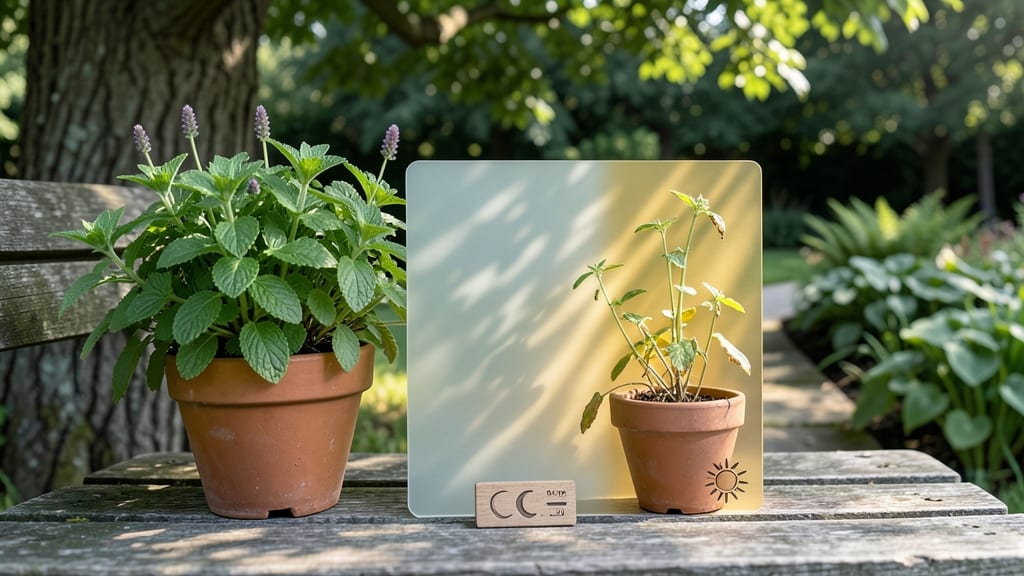
If your 🌿 mint plant looks weak or stops growing, chances are it’s not getting how much light a mint plant needs—and that’s completely fixable. Unlike sun-loving herbs, mint thrives in partial shade, needing just 3-6 hours of sunlight daily to stay vibrant and productive.
Too much direct sun scorches its leaves, while too little stretches its stems and dulls its flavor.
Most gardeners overestimate how much light mint needs, assuming it’s like basil or thyme. But mint’s secret to success lies in bright, indirect light—think dappled shade under trees or a north-facing window. This balance keeps your plant lush, prevents bolting, and ensures a steady harvest of flavorful leaves.
Whether you’re growing mint in containers on a balcony or tucked into your garden bed, I’ll show you exactly how to spot light issues and adjust placement for healthy growth. No more leggy stems or weak flavors—just a thriving plant ready for your next tea or cocktail.
Let’s dive into the simple tricks to give your mint the perfect light conditions, whether you’re dealing with harsh afternoon sun or a dim corner. Your plant (and your taste buds) will thank you!


Optimal light requirements for mint plants: the 3-6 hour rule explained
If you're growing mint—whether in your garden or on a sunny windowsill—understanding its light requirements is the key to vibrant, flavorful leaves. Mint thrives on the 3-6 hour rule: it needs 4-6 hours of direct sunlight daily but can tolerate partial shade.
Too much sun scorches its delicate leaves, while too little causes leggy, sparse growth. Let's break down how to strike the perfect balance for your mint plants.
Mint is a partial-shade plant, meaning it prefers bright, indirect light with some protection from intense afternoon rays. This makes it ideal for east-facing windows or morning sun spots in your garden.
In hotter climates, afternoon shade becomes even more critical to prevent leaf burn. Northern climates offer more flexibility, while southern regions require extra shade during peak sunlight hours.
| Light Requirement | Ideal Conditions | Signs of Stress | Adjustments Needed |
|---|---|---|---|
| Direct Sunlight | 4-6 hours daily (morning sun preferred) | Brown leaf tips, crispy edges | Move to partial shade or use sheer curtain |
| Partial Shade | Bright, indirect light (e.g., east window) | Leggy stems, pale leaves, slow growth | Rotate plant or supplement with grow lights |
| Full Shade | North-facing windows or deep shade | Stunted growth, weak stems, sparse leaves | Relocate to brighter spot or use reflective surfaces |
| Seasonal Adjustments | Southern climates: Afternoon shade in summer | Wilting, leaf drop, sunburn | Provide dappled shade with lattice or mesh |
For indoor mint plants, position them near an east-facing window where they’ll receive gentle morning sunlight without the harsh intensity of afternoon rays. If your home only has south-facing windows, place the plant a few feet back to filter the light.
In low-light conditions, like a west-facing window with limited sun, supplement with a grow light for 6-8 hours daily to mimic natural light cycles.
Outdoor mint thrives in garden beds with dappled shade, such as under fruit trees or near the north side of structures. In container gardens, rotate pots weekly to ensure even light exposure on all sides.
This prevents one-sided growth and keeps your mint bushy and compact. If you notice yellowing leaves or stretched stems, it’s a clear sign your plant needs more light or a change in location.
In northern climates, mint can handle more direct sunlight year-round, but even here, afternoon shade in summer prevents heat stress. Conversely, southern climates require extra caution—mint can overheat quickly in full sun.
Use shade cloth or plant near taller crops to create natural shade. Mulching around the base also helps regulate soil temperature and retain moisture, which is crucial for mint’s health.
One common misconception is that mint can thrive in full shade. While it may survive, the result is weak, sparse growth with less flavorful leaves. For the best mint harvest, aim for that 3-6 hour sweet spot.
If your plant starts flowering, it’s a sign it’s not getting enough light—pinch off blooms to redirect energy back into leaf production. Regular pruning also encourages bushier growth and prevents legginess.
Pro tip: Test your mint’s light conditions by observing its growth over a week. If leaves are dark green and vibrant, you’ve nailed the balance.
If they’re pale or stretched, adjust the placement or add a reflective surface (like a white wall or mirror) to bounce more light onto the plant. With the right light, your mint will reward you with lush, aromatic leaves all season long.
Remember, mint is a hardy herb that adapts well once you meet its basic needs. By following the 3-6 hour rule and adjusting for your climate, you’ll cultivate mint that’s perfect for teas, cocktails, or fresh garnishes—without the stress of burnt leaves or weak stems. Happy growing! 🌿
Signs your mint plant isn’t getting enough light (and how to fix it)
If your mint plant looks more like a sad, stretched-out shadow than a lush, vibrant herb, it’s likely crying out for more light. Leggy stems and pale leaves are classic red flags that your plant isn’t getting its 4-6 hours of sunlight daily.
Without enough light, mint struggles to photosynthesize, leading to weak growth and poor flavor development.
Even if you’ve placed your mint in what you think is a bright spot, indirect light or obstructed sunlight can trick your plant into thinking it’s getting more light than it actually is.
For example, a south-facing window might still have hot afternoon sun that burns leaves, while a north-facing window might provide too little intensity. The key is finding that golden balance where mint thrives without stress.
⚠️ How Much Light Does a Mint Plant Need?
Mint thrives with 4-6 hours of sunlight daily, but it can tolerate partial shade (morning sun + afternoon shade). Too little light (under 3 hours) causes leggy growth, while too much (over 6 hours) scorches leaves. Indoor mint needs a south or east-facing window or a grow light 6-12 inches away for 12-14 hours/day.
One of the first visual signs your mint isn’t getting enough light is yellowing leaves, especially on the lower stems. This happens because the plant prioritizes energy to new growth, leaving older leaves nutrient-starved.
If you notice long, thin stems with sparse leaves, your mint is reaching for light—a classic sign of light deprivation. These leggy stems also weaken the plant, making it more prone to falling over or breaking.
Slow growth is another tell-tale sign that your mint isn’t happy with its lighting. Healthy mint should grow 1-2 inches per week during its peak season (spring to summer). If your plant is barely putting out new leaves or stems, it’s likely energy-deficient due to insufficient light.
Even if you’re watering and fertilizing correctly, light is the #1 factor in mint’s growth rate and flavor intensity.
To fix light-deficient mint, start by relocating it to a brighter spot. For outdoor mint, move it to a location with morning sun and afternoon shade, like near a fence or under a tree with dappled light.
If you’re growing mint indoors, a south-facing window is ideal, but if that’s not an option, consider a grow light. LED grow lights are energy-efficient and can provide the full-spectrum light mint needs for 12-14 hours daily.
For extra light boost, try using reflective surfaces like mirrors or white walls to bounce natural light toward your plant. This trick can increase light exposure by up to 30%, helping your mint thrive even in lower-light conditions.
If your mint is in a container, rotate it weekly so all sides get even light exposure, preventing uneven growth. With these adjustments, you’ll see healthier, bushier mint in just a few weeks!