
Trees
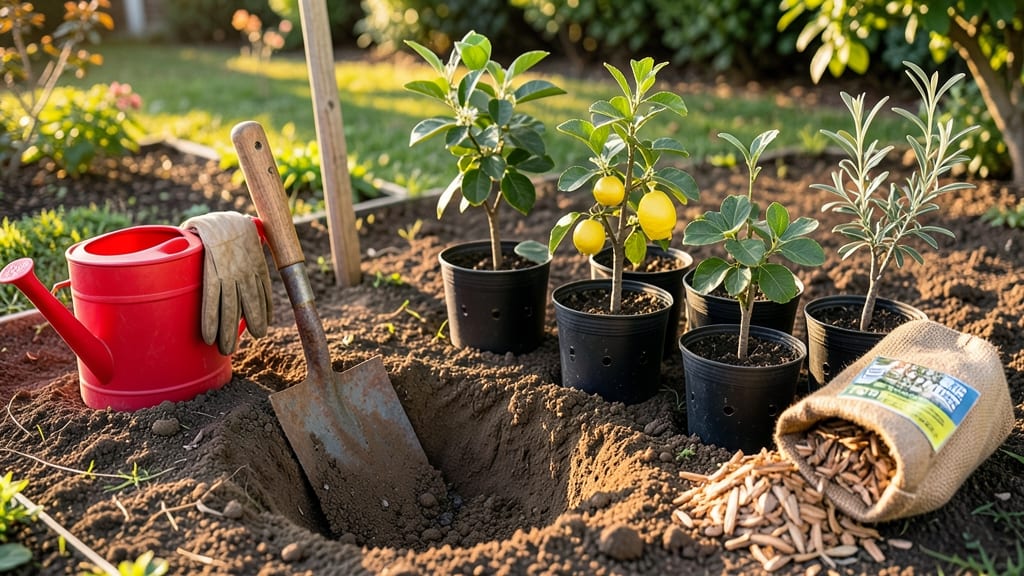
Planting fruit trees in Southern California at the wrong time can mean the difference between a thriving orchard and a sad loss—especially when frost sneaks in unexpectedly.
Unlike other regions, Southern California’s zero-frost zones and microclimates (coastal vs. inland) demand precision timing to give your trees the best shot at success.
I’ve seen firsthand how a single month’s delay can stunt growth or even kill young trees, so I’ll break down the exact windows for citrus, stone fruits, and subtropical varieties—plus how to adjust for your specific area.
Whether you’re in San Diego’s coastal breeze or the desert-like inland valleys, knowing when to plant is the key to avoiding costly mistakes.
From warm-season citrus that hates chilly soil to stone fruits needing dormancy breaks, each type has its own ideal timing. You’ll also discover how to prep your soil, choose the right rootstock, and protect your investment from unexpected cold snaps—even in our "mild" climate.
Ready to turn your backyard into a fruit-bearing paradise? Let’s dive into the best months to plant, variety by variety, so you can enjoy harvests for years to come.
Optimal planting months for fruit trees in Southern California’s zero-frost zones
Southern California’s USDA zones 9-11 offer year-round growing potential, but even our mild winters demand precision when planting fruit trees. Coastal areas like San Diego (Zone 10) enjoy nearly frost-free conditions, while inland valleys such as Coachella (Zone 11) face rare but damaging cold snaps.
Timing your plantings to align with soil warmth and seasonal rainfall patterns ensures robust root establishment and vigorous growth.
For citrus varieties like lemons and oranges, the best planting window spans from November to March, avoiding summer’s intense heat. Meanwhile, stone fruits (peaches, plums) and pome fruits (apples, pears) thrive when planted in late winter to early spring, capitalizing on cooler temperatures and moisture.
Subtropical varieties like avocados and lychees prefer fall planting to establish roots before summer’s drought stress.
Microclimates play a critical role—coastal regions with 60+ inches of annual rainfall can extend planting into early summer, while inland desert areas require winter planting to conserve soil moisture. Even a 2-3°F dip below 28°F can damage young trees, so understanding your local frost risk is non-negotiable.
Below is a detailed breakdown of optimal planting months by fruit type and zone.
In Zone 9 (e.g., Los Angeles), where rare frost events occur, prioritize bare-root trees in January-February to allow roots to establish before summer.
Coastal areas like Santa Barbara can push citrus planting into early April due to milder microclimates, but inland valleys should finish by March 15 to avoid heat stress. Always check local frost date averages—even a 28°F night can kill young citrus.
For container-grown trees, adjust timing by 2-4 weeks earlier to account for slower root establishment in pots. Use well-draining potting mix and 15-gallon containers minimum for dwarf varieties.
Coastal growers can experiment with summer planting for heat-tolerant varieties like figs or pomegranates, but provide drip irrigation to prevent drought stress.
Soil temperature is the single most critical factor—citrus roots thrive in 60-70°F soil, while stone fruits need 50-60°F. Use a soil thermometer to verify conditions before planting.
In Zone 11 (e.g., Palm Springs), November is ideal for most varieties, but avoid planting during monsoon season (July-September) due to fungal risks from heavy rains.
Mulching with 3-4 inches of wood chips retains moisture and moderates soil temperatures, extending the effective planting window by 2-3 weeks. For newly planted trees, water deeply 2-3 times per week for the first month, then taper to weekly deep waterings once established.
Fertilize lightly with balanced 6-6-6 in March to support early growth.
Remember: dwarf
How to adjust planting timing for specific fruit tree varieties (citrus vs. avocado vs. peach)
Not all fruit trees thrive when planted at the same time—especially in Southern California’s varied microclimates. Citrus trees like Valencia oranges and Meyer lemons demand warm soil, while peach trees (like Fujis) need cooler dormancy periods.
Even Hass avocados have unique soil temperature triggers. Understanding these differences prevents root shock and maximizes yield.
For example, coastal areas like Santa Barbara have milder winters, allowing citrus planting year-round, while inland San Diego zones may need staggered timing. Let’s break down the ideal soil temperatures and planting windows for 12+ popular varieties to help you choose the perfect moment.
🌱 Comparison Table: Best Planting Months & Soil Requirements
| Variety | Best Planting Months | Soil Temp (°F) | Key Notes |
|---|---|---|---|
| Valencia Oranges | Feb–Apr (coastal) / Nov–Jan (inland) | 60°F+ | Avoid summer heat; needs well-draining soil. |
| Meyer Lemons | Year-round (coastal) / Sep–Nov (inland) | 55°F+ | Tolerates slight frost but prefers warmth. |
| Hass Avocados | Feb–Mar (coastal) / Oct–Nov (inland) | 65°F+ | Needs deep, sandy soil; avoid waterlogging. |
| Fujis (Peach) | Nov–Dec (dormant season) | 40°F–50°F | Requires cool dormancy; prone to frost damage. |
| Navel Oranges | Jan–Feb (coastal) / Oct–Nov (inland) | 60°F+ | Slow-growing; mulch heavily in summer. |
| Persimmons | Nov–Dec (bare-root) | 45°F–55°F | Needs cross-pollination; avoid wet soil. |
Citrus trees like Valencia oranges and Meyer lemons thrive when planted during cooler months (Feb–Apr for coastal zones) to avoid heat stress during root establishment.
In contrast, peach trees (e.g., Fujis) must be planted in late fall to align with their dormancy cycle, ensuring they’re ready to bloom in spring.
For Hass avocados, timing is critical—plant in early spring when soil temperatures hit 65°F+. Inland areas like San Diego can extend planting to November, but coastal Santa Barbara zones risk root rot if planted too late. Always test soil moisture before committing.
Pro tip: Use mulch to regulate soil temperature and moisture, especially for stone fruits like peaches, which need consistent hydration but hate soggy roots. Adjust your schedule based on local frost dates—even in SoCal, unexpected cold snaps can strike!