
Plants
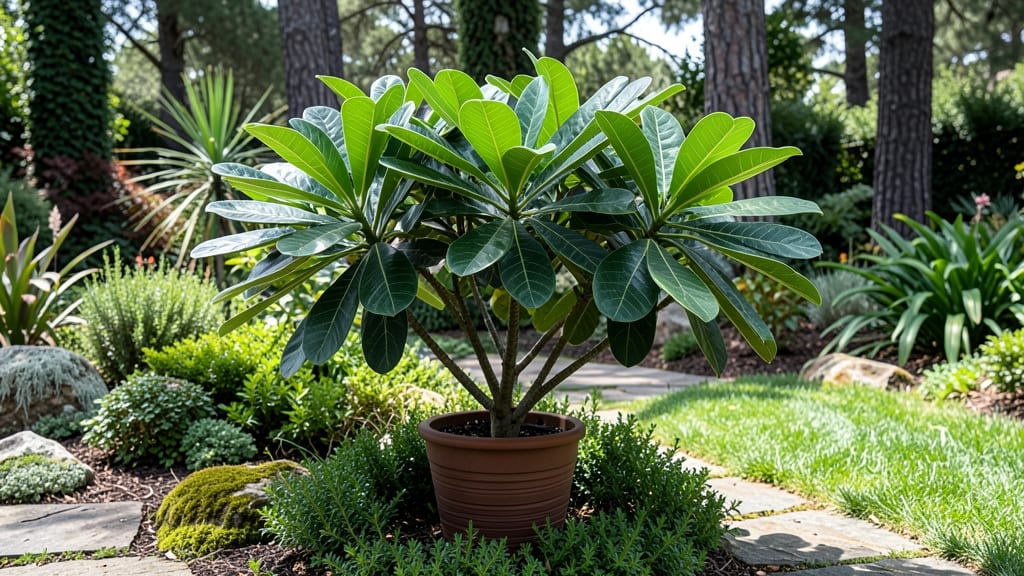
If your Umbrella Plant 🌿 looks more like a sad, droopy mess than a lush, vibrant statement piece, you might be getting its light needs all wrong.
This tropical favorite thrives in bright, indirect sunlight—but too much direct sun or too little light can turn its leaves yellow, crispy, or even cause it to stop growing altogether.
Most people assume their Umbrella Plant is low-maintenance, but the truth is, it’s actually quite particular about its lighting. Too little light and you’ll end up with leggy, weak stems; too much direct sun, and those gorgeous leaves will start to scorch.
The key is finding that sweet spot where it gets enough light to stay happy without getting fried.
I’ve helped countless plant parents revive their struggling Umbrella Plants by adjusting their light exposure—whether that meant moving it closer to a window, adding a sheer curtain, or even setting up a grow light.
The good news? With the right setup, you can keep your plant thriving year-round, even if you don’t have a sunroom.
Let’s break down exactly how much light your Umbrella Plant needs, how to spot the signs of over- or under-lighting, and the easiest ways to fix it—so you can go from “meh” to “wow” in no time.


Ideal light requirements for umbrella plant growth: bright indirect sunlight explained
Your umbrella plant (Schefflera) thrives in bright indirect sunlight, making it perfect for indoor spaces. Unlike sun-loving plants, it avoids harsh rays that can scorch its delicate leaves. Understanding its light needs ensures vibrant foliage and steady growth year-round.
The key is replicating dappled forest light—think of sunlight filtering through trees. This means placing your plant near a window but not directly in the path of midday sun. East or west-facing windows are ideal, offering gentle morning or afternoon light.
If you're unsure about your space, start by observing your plant's leaf color and growth rate. Healthy leaves should be deep green with a slight sheen. Slow growth or pale leaves? It's likely not getting enough light.
| Light Condition | Daily Hours Needed | Best Window Placement | Growth Impact |
|---|---|---|---|
| Bright Indirect Light | 4-6 hours | East or west window, 2-3 ft away | Optimal growth, dark green leaves |
| Low Light | 2-3 hours | North window or room corner | Slow growth, pale leaves |
| Direct Sunlight | Over 6 hours | South window without filter | Brown leaf tips, leaf scorch |
| Artificial Light | 12-14 hours | Grow light 6-12 inches above | Healthy growth, no light stress |
For indoor growers, LED grow lights are a game-changer when natural light falls short. Place them 6-12 inches above your plant and run them for 12-14 hours daily to mimic sunlight. This is especially helpful in winter when daylight is limited.
Watch for yellowing leaves—a classic sign of too much light or overwatering. If you notice crispy brown tips, your plant may be getting too much direct sun. Move it back a few feet or add a sheer curtain to diffuse the light.
In east-facing windows, your umbrella plant gets gentle morning sun, perfect for steady growth. West-facing windows work too, but watch for afternoon heat that can intensify sunlight. Rotate your plant quarter-turns every 2 weeks to ensure even light exposure.
If your home lacks natural light, combine artificial lighting with reflective surfaces. White walls or mirrors can bounce light around, creating a brighter environment. Even a simple white-painted shelf behind your plant can boost light availability by up to 30%.
Remember, seasonal changes affect light intensity. In summer, your plant may need to be moved back from the window to avoid leaf burn. In winter, supplement with grow lights to maintain its energy levels and prevent leggy growth.
When in doubt, observe your plant's natural responses. Healthy umbrella plants grow 1-2 feet per year and develop new leaves regularly. If growth stalls or leaves turn dull, adjust the light immediately—your plant will thank you with lush, vibrant foliage.
How to adjust your umbrella plant's light exposure for maximum health
Adjusting your umbrella plant's light exposure is key to keeping it thriving indoors. These plants prefer bright indirect sunlight, but too much direct sun or insufficient light can cause stress. The good news? With a few simple tweaks, you can create the perfect growing conditions year-round.
Start by evaluating your plant's current location. If it's near a south-facing window, it may be getting too much direct sun, especially during peak afternoon hours.
On the other hand, a north-facing window might not provide enough light for optimal growth. Understanding these nuances is the first step toward healthier foliage.
Your umbrella plant (Schefflera) needs 4-6 hours of bright indirect light daily. Too little causes yellowing leaves, while too much leads to brown leaf tips. East or west-facing windows are ideal—avoid harsh midday sun. For low-light areas, supplement with grow lights 12 inches away for 6-8 hours/day.
One of the easiest adjustments is rotating your plant every 2-3 weeks. This ensures all sides receive even light exposure, preventing lopsided growth. Simply turn the pot a quarter-turn each time you water.
This simple habit promotes balanced foliage development and helps your plant maintain its iconic umbrella-like shape.
For homes with limited natural light, sheer curtains can diffuse harsh sunlight while still allowing enough brightness. If your umbrella plant is placed near a window with intense afternoon rays, hang a light-colored curtain to filter the light gently.
This mimics the dappled sunlight found in their native tropical habitats.
When seasonal changes reduce daylight hours, like in winter months, consider adding a LED grow light. Place it 12-18 inches above your plant and use it for 6-8 hours daily.
Look for lights with a full-spectrum bulb to replicate natural sunlight. This simple addition can prevent leaf drop and keep your plant vibrant during darker seasons.
Don't forget to monitor your plant's response to these adjustments. If leaves start turning pale or yellow, it's a sign of insufficient light. Conversely, crispy brown edges indicate too much direct sun. By making these seasonal tweaks, you'll create an environment where your umbrella plant can thrive year-round.