
Plants
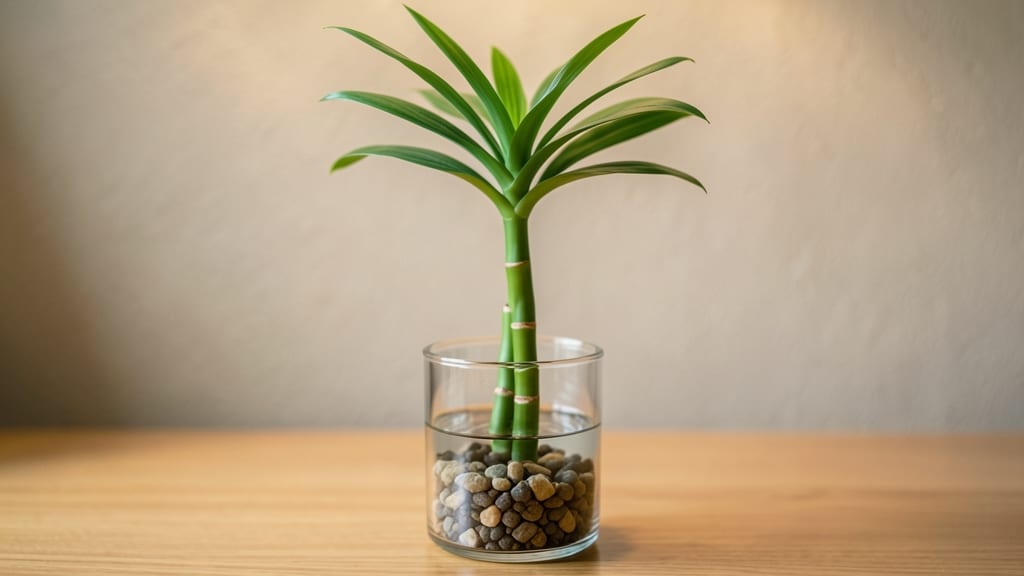
If you’ve ever wondered just how tall a bamboo plant can grow, you’re about to discover something mind-blowing: some species shoot up faster than a 3-story building in a single growing season.
Whether you’re planning a privacy screen or just curious about nature’s speediest plants, understanding bamboo’s growth potential is key—especially when choosing between fast-spreading runners and slower-growing clump varieties.
Bamboo’s height isn’t just about time—it’s about the right conditions. In zones like 6a, where spring planting kicks off in March, certain species can reach 60 feet or more in just a few years. But here’s the catch: not all bamboo behaves the same.
Running types like Bambusa vulgaris can become invasive if unchecked, while clumping varieties like Fargesia stay neatly contained. Knowing the difference could save your garden from an unwelcome jungle takeover.
So, how do you harness this rapid growth—or rein it in? The answer lies in species selection, soil prep, and smart containment strategies. I’ll break down the fastest-growing types, how to control their spread, and which dwarf varieties are perfect for small spaces.
By the end, you’ll know exactly how to grow bamboo that fits your vision—whether you want a towering 🌱 statement piece or a manageable backyard accent.
Ready to turn your yard into a bamboo haven—or at least understand why your neighbor’s grove looks like a skyscraper? Let’s dive into the facts, so you can plant with confidence and grow with control.


Bamboo height by species: fastest-growing giants and their maximum heights
When I first planted bamboo in my backyard, I had no idea just how tall these plants can grow. Some species reach heights that dwarf even the tallest trees in your neighborhood!
The key difference lies in whether your bamboo is a running type (aggressive spreaders) or a clumping type (contained growth). Running bamboos like Phyllostachys aureosulcata can shoot up to 60 feet or more, while clumping varieties such as Fargesia nitida typically stay under 10 feet tall.
The species you choose will determine whether your bamboo becomes a skyscraper or a manageable shrub.
If you're wondering how tall bamboo can grow in your specific climate, the answer depends on species, growing conditions, and care. Tropical bamboos like Dendrocalamus asper can surpass 100 feet in height, making them more suited for large estates or tropical gardens.
Meanwhile, hardy temperate varieties like Bambusa multiplex max out around 12 feet, perfect for urban patios or containers. Understanding these differences will help you pick the right variety for your space and goals.
| Species | Type | Mature Height (ft) | Growth Rate (ft/year) | Best For |
|---|---|---|---|---|
| Dendrocalamus asper | Running | 100+ | 10-15 | Tropical gardens |
| Phyllostachys bambusoides | Running | 60-80 | 8-12 | Privacy screens |
| Bambusa vulgaris | Clumping | 50-65 | 6-10 | Large landscapes |
| Fargesia robusta | Clumping | 15-25 | 3-5 | Containers, small yards |
| Bambusa multiplex | Clumping | 6-12 | 2-4 | Urban gardens |
The tallest bamboo species often belong to the running type, which spreads aggressively through underground rhizomes. For example, Phyllostachys bambusoides—commonly called Moso bamboo—can grow up to 80 feet tall and spread rapidly if not contained.
This makes it ideal for creating natural privacy screens but requires careful management to prevent it from taking over your yard. If you're looking for a fast-growing giant, this species is a top contender, often reaching its full height within 5-7 years under ideal conditions.
On the other hand, clumping bamboo species like Fargesia robusta are perfect for smaller spaces because they don’t spread. These varieties typically max out around 15-25 feet tall, making them ideal for containers or urban gardens where space is limited.
The trade-off is slower growth—usually 3-5 feet per year—but they’re far easier to manage without root barriers or pruning. If you're a beginner, clumping bamboos are the way to go.
One of the most impressive bamboo giants is Dendrocalamus asper, native to Southeast Asia. This species can reach heights of over 100 feet and is often used in large-scale landscaping or even as a construction material in its native habitat.
However, it’s not suitable for most home gardens due to its size and aggressive growth habits. If you're dreaming of a bamboo forest in your backyard, you’ll need to plan for a large property and be prepared for regular maintenance.
For those with moderate-sized yards, Bambusa vulgaris—also known as common bamboo—is a fantastic choice. It grows up to 50-65 feet tall and has a clumping habit, making it easier to control than running varieties. This species thrives in
How fast does bamboo grow? Weekly height increases and factors affecting growth
Bamboo is one of nature's fastest-growing plants, with some species shooting up 3 feet per week during peak growing seasons. Imagine that—your bamboo could grow taller than a basketball hoop in just a month! But this rapid growth isn't guaranteed for every plant.
Several key factors, like soil quality, sunlight exposure, and water availability, play critical roles in determining whether your bamboo will reach its full height potential or stay stunted.
Under ideal conditions, bamboo can grow up to 12 inches per day during its most active phases. This explosive growth happens primarily in spring and summer, when temperatures are warm and moisture levels are high.
However, if your bamboo isn't thriving, it might only grow a few inches per week. Understanding these growth patterns helps you set realistic expectations and create the perfect environment for your plants.
- 🌱 Species Matters: Running bamboo (e.g., Phyllostachys) grows 3x faster than clumping types (e.g., Fargesia).
- 💧 Water Needs: Deep watering 2-3 times per week fuels rapid growth; drought slows it to 1 inch per week.
- ☀️ Sunlight: Full sun (6+ hours/day) maximizes growth; shade reduces it by 50%.
- 🌡️ Temperature: Ideal range: 70-85°F; below 50°F halts growth entirely.
- 🌱 Soil pH: 6.0-7.5 is optimal; acidic soil (pH <5.5) stunts growth.
One of the most exciting aspects of growing bamboo is watching it sprout and shoot upward almost overnight. In my own garden, I planted Phyllostachys aureosulcata last spring, and within just 8 weeks, it reached 12 feet tall—that’s nearly a foot per week! The secret?
Consistent moisture, well-draining soil, and a spot with morning sunlight to protect it from afternoon heat. If you're growing bamboo in containers, expect slightly slower growth due to root restrictions, but with proper care, you can still see 1-2 feet of growth per month.
Climate also plays a huge role in bamboo's growth rate. In tropical regions, bamboo can grow year-round, while in cooler climates, growth slows dramatically during winter.
For example, Bambusa multiplex (a dwarf variety) might only grow 6 inches per month in Zone 6, compared to 2 feet per month in Zone 9.
If you're in a colder region, choose hardy species like Fargesia murielae, which tolerates frost better and still grows 1-1.5 feet per season.
Don't forget that nutrient availability directly impacts growth speed. Bamboo is a heavy feeder, and without enough nitrogen, phosphorus, and potassium, it will grow slowly or produce weak stems. I always add a balanced fertilizer (10-10-10) in early spring and late summer to keep my bamboo thriving.
If your soil is poor, consider amending it with compost or organic matter to give your bamboo the nutrients it craves for rapid growth.
For gardeners with limited space, understanding bamboo's growth habits helps you make informed choices. While some varieties can tower over 100 feet, others like Bambusa multiplex 'Tiny Fern' stay under 6 feet—perfect for containers or small yards.
By paying attention to species selection, growing conditions, and care practices, you can control bamboo's height and enjoy its lush beauty without it taking over your garden.