
Plants
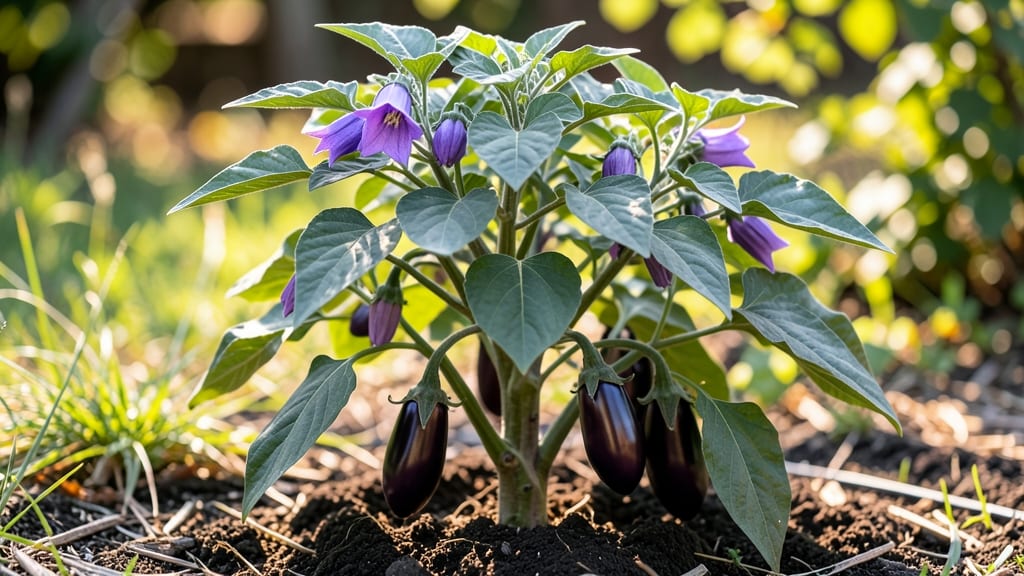
If you're wondering how tall an eggplant plant grows, the answer might surprise you—because these 🍆 powerhouses can vary wildly from compact bushes to towering giants, depending on the variety.
Some dwarf types stay under 2 feet, while standard varieties can stretch toward 4 feet, and without proper care, they might even sprawl beyond your garden's boundaries.
This height difference isn't just about aesthetics—it directly impacts how you plant, prune, and even harvest your eggplants. A tall variety might need sturdy cages or trellises to prevent sprawling, while dwarf types thrive in containers or small spaces.
Getting this right means fewer headaches and a more productive garden, especially in zones like 6a where space matters.
I’ve grown eggplants for years, and I’ve learned the hard way that picking the wrong variety for your space leads to frustration. Whether you're dealing with a sprawling Black Beauty or a compact Fairy Tale, knowing your plant’s potential height helps you plan for success from day one.
In this guide, I’ll break down exactly how tall different eggplant varieties grow, share my top tips for managing height, and reveal the common mistakes that trip up even experienced gardeners. Let’s get started!


Eggplant plant height by variety: compact vs. towering types
Choosing the right eggplant variety starts with understanding their mature heights, which can vary dramatically from compact bush types to towering vining hybrids. Dwarf varieties stay under 2 feet, while some heirlooms reach 4+ feet tall, making space planning critical for your garden layout.
The wrong choice could mean crowded plants, poor airflow, or even failed harvests due to disease pressure.
Most gardeners assume all eggplants grow similarly, but the truth is far from it. Hybrid varieties like 'Black Beauty' typically hit 3-4 feet, while heirlooms such as 'Rosa Bianca' can sprawl even wider.
Even within the same variety, growth habits shift based on pruning practices and support structures—something I’ve learned the hard way with my first overgrown 'Ichiban' plants!
Here’s the key: height determines care needs. Taller varieties need stakes or cages, while compact ones thrive in containers. Below, I’ve broken down the most popular varieties by height range, so you can pick the perfect fit for your space—whether it’s a balcony pot or a sprawling backyard.
Notice how dwarf varieties like 'Fairy Tale' and 'Little Fingers' stay under 2 feet, making them ideal for container gardening or window boxes. These compact plants produce smaller fruits but thrive in limited spaces, perfect for urban gardeners.
Meanwhile, tall heirlooms like 'Rosa Bianca' can sprawl over 5 feet, requiring serious support or dedicated garden real estate.
Hybrids like 'Black Beauty' and 'Ichiban' strike a balance, typically reaching 3–4 feet, which works well for backyard beds with cages. I’ve found that even these "standard" varieties benefit from pruning side shoots to control height and improve airflow, reducing disease risk.
Without pruning, they can easily exceed their listed heights by 1–2 feet!
Climate also plays a role in height. In hotter regions, eggplants may grow taller and faster due to longer daylight, while cooler climates can stunt growth if not given enough warmth.
For example, my 'Thai Long' plants in Zone 7 hit 5 feet, but a friend in Zone 5 reported hers stayed under 4 feet without extra support.
If you’re growing in containers, choose dwarf varieties to avoid root-bound stress. Even then, use 5-gallon pots for 'Patio Baby' to ensure stability—smaller pots restrict growth but can lead to stunted plants or poor yields.
For in-ground planting, space standard varieties 18–24 inches apart to prevent overcrowding, which invites pests and diseases.
Pro tip: Taller varieties often produce larger fruits, but they require stakes or trellises to prevent toppling. I’ve had my 'Ichiban' plants lean dramatically without support, making harvests a challenge. Investing in bamboo stakes or tomato cages early saves headaches later—trust me!
For small gardens, consider pruning techniques like "topping," where you pinch off the main stem to encourage bushier growth. This works best with standard varieties like 'Black Beauty' and can reduce height by 20–30%. Just avoid heavy pruning too late in the season, as it delays fruit production.
Finally, don’t overlook heirloom varieties if you love unique flavors and colors. While they often grow taller, their larger fruits and longer harvest windows make them worth the extra space. Just plan for wide spacing—at least 24–36 inches between plants—and be ready to provide support from day one.
How eggplant height affects growth habits and care needs
Your eggplant’s mature height isn’t just about aesthetics—it directly impacts how you care for it. Taller varieties (3-4 feet) need sturdy support and careful pruning, while dwarf types (1-2 feet) thrive in containers but may produce fewer fruits.
Understanding these differences helps you avoid overcrowding, improve airflow, and maximize your harvest. For example, a 4-foot-tall Black Beauty will flop without a cage, while a 2-foot Fairy Tale stays compact but needs frequent harvesting to encourage more blooms.
Height also determines your pruning strategy. Tall varieties benefit from topping (removing the main stem) to redirect energy to side branches, which boosts fruit production. Dwarf varieties, however, rarely need pruning unless you’re training them for containers.
Over-pruning any type can stress the plant, leading to fewer eggplants. The key is balancing support and growth—think of it like giving your plant a personal trainer to stay healthy and productive.
Support structures become non-negotiable as your eggplant grows. A 3-foot-tall plant might need a sturdy bamboo stake, while a 4-foot giant requires a woven cage or trellis to prevent breakage. Without support, heavy fruits can snap stems, and the plant may develop blossom-end rot from uneven weight distribution. I once let my Italian Heirloom go unsupported, and by midsummer, the branches were bowed under the weight—my mistake!
- 🌱 1-2 ft (Dwarf): Ideal for containers; minimal pruning needed. Use small cages or window boxes for urban gardens.
- 🌿 2-3 ft (Semi-Dwarf): Needs light stakes or tomato cages. Prune side shoots to improve airflow and reduce disease risk.
- 🌳 3-4 ft (Standard/Tall): Requires heavy-duty trellises or wooden stakes. Top at 3 feet to encourage bushier growth.
- ⚠️ Over 4 ft: Rare but possible with heirloom varieties. Use multiple supports or prune aggressively to prevent toppling.
Pro Tip: Always prune in the morning to let wounds heal before evening moisture increases disease risk.
If your eggplant grows too tall, it’s often a sign of over-fertilization or excess nitrogen. The plant focuses on leafy growth instead of fruit. To fix this, switch to a low-nitrogen fertilizer (like 5-10-10) and prune the top 1/3 of the stem to redirect energy.
I’ve seen 5-foot-tall eggplants shrink back to 3 feet in weeks with this method!
On the flip side, stunted growth usually means poor soil, underwatering, or cool temperatures. Eggplants are heat-loving and wilt if soil temps drop below 65°F. If your plant stays under 2 feet despite good care, test your soil pH—eggplants prefer 6.0-6.8.
Amending with compost or aged manure can jumpstart growth. I once had a Black Beauty that barely reached 1 foot until I added a slow-release fertilizer and moved it to a sunnier spot.
Finally, remember that height affects yield. Taller plants with proper support often produce more and larger eggplants because they develop a robust root system and multiple fruiting branches. However, dwarf varieties may yield smaller but earlier fruits—perfect for container gardening or short-season climates.
Choose your variety based on your space, climate, and goals, and don’t forget to rotate crops yearly to prevent soil depletion.