Plants
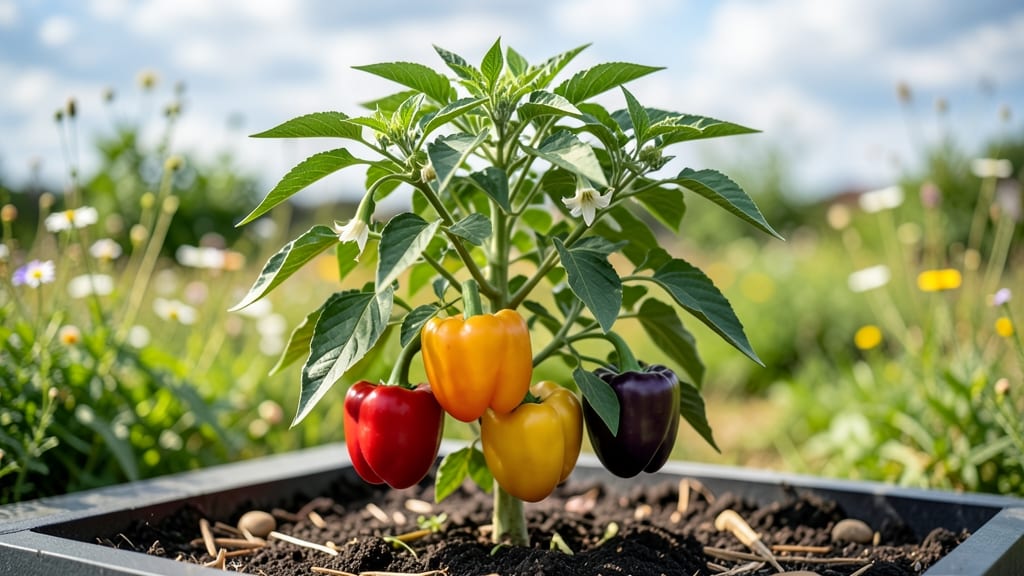
If you’ve ever wondered just how tall your 🌶️ bell pepper plants will grow, the answer isn’t one-size-fits-all—and getting it right can mean the difference between a thriving harvest and a tangled mess.
Some varieties stay compact enough to fit neatly into a small garden bed, while others stretch tall enough to reach your waist, demanding extra support and space.
For most gardeners in Zone 6a, bell peppers typically reach heights between 2 and 4 feet, but the variety you choose makes all the difference.
Compact types like 'Jupiter' stay around 2 feet, while taller varieties like 'California Wonder' can easily hit 3 to 4 feet or more. Knowing these differences upfront helps you plan spacing, pruning, and even whether you’ll need cages or stakes to keep them upright.
But here’s the thing: height isn’t just about aesthetics—it directly impacts how you grow them. Tall plants need proper airflow to avoid disease, while dwarf varieties thrive in tight spaces.
I’ll break down exactly how to manage each type, from pruning tips to support systems, so you can maximize your harvest without the headaches.
Ready to turn your bell pepper patch into a productive powerhouse? Let’s dive into the heights, varieties, and secrets to keeping your plants happy—no matter how tall they grow.


Bell pepper plant height by variety: compact vs. tall-growing types
Choosing the right bell pepper variety isn't just about flavor—it's also about space planning. Some varieties stay as short as 18 inches, while others can reach 4 feet or taller.
Understanding these differences helps you design a garden layout that maximizes yield and minimizes competition for sunlight and nutrients. I've grown everything from dwarf varieties in containers to giant-growing types in raised beds, and the height variations are truly surprising!
The height of your bell pepper plants directly impacts harvesting ease, pest management, and even fruit production. Taller varieties often produce more peppers but may need support structures to prevent breakage.
Meanwhile, compact varieties are perfect for small spaces or container gardening. Let's explore the most popular types and their mature heights to help you make the best choice for your garden.
If you're working with limited garden space, the 'Lunchbox' variety is a game-changer. This dwarf type stays under 18 inches tall and thrives in 5-gallon containers, making it perfect for balconies or windowsills.
I've grown mine in hanging baskets with stunning results—just ensure the container has drainage holes to prevent root rot. For those with more room, varieties like 'Jupiter' or 'Big Bertha' can reach 4 feet or taller, producing massive yields but requiring sturdy support.
For intermediate heights, consider 'California Wonder' or 'Aristotle', which typically grow between 24-36 inches. These varieties strike a balance between space efficiency and productivity. I recommend planting them in raised beds or along garden edges where they won't overcrowd other plants.
Their bushy growth habit also makes them easier to manage than taller varieties, reducing the need for frequent pruning or staking.
One common misconception is that taller bell peppers always produce more fruit. While some giant varieties like 'Jupiter' can yield 20-30 peppers per plant, their height often means you'll need to invest in cages or trellises to keep stems from snapping under the weight.
In my experience, medium-height varieties like 'Sweet Banana' often strike the best balance—producing 15-20 peppers per plant while staying manageable at 30-40 inches tall.
When planning your garden layout, remember that spacing requirements change with height. Taller varieties need 18-24 inches between plants, while dwarf types can often be spaced just 12 inches apart. I always
Do bell pepper plants need support? When and how to stake or cage
Bell pepper plants typically grow between 18 to 36 inches tall, but some varieties—like the towering Jupiter—can reach 4 feet or more. Without proper support, heavy fruit loads can cause branches to snap under pressure, leading to lost harvests and disease risks from broken stems.
Even dwarf varieties benefit from light staking to improve airflow and fruit exposure.
Support needs depend on your variety, garden space, and growing conditions. Compact types like 'Patio Baby' (12–18 inches) may only need minimal staking, while standard varieties like 'California Wonder' (3–4 feet) require sturdy cages or stakes.
Heavy-fruiting giants like 'Mammoth' or 'Monster' absolutely need support to prevent stem breakage.
Support Options for Bell Peppers
| Support Type | Pros | Cons |
|---|---|---|
| Cages (Wire or Plastic) | - Full 360° support - Easy to install - Protects from pests |
- Takes up garden space - Can rust over time |
| Stakes (Bamboo or Metal) | - Saves space - Low-cost option - Good for single plants |
- Requires tying plants - Less stable in wind |
| Trellises (DIY or Store-Bought) | - Vertical growth saves space - Improves airflow - Aesthetic appeal |
- Needs strong structure - Harder to harvest |
Best for heavy-fruiting varieties like 'Jupiter' or 'Mammoth'
For DIY solutions, repurpose tomato cages (cut to 3 feet) or build a wooden trellis with 2x4s and chicken wire. Secure plants with soft gardening ties or old T-shirts to avoid stem damage. Avoid plastic ties—they can girdle stems as plants grow.
Install support early, ideally when plants are 6–8 inches tall. This prevents root disturbance and gives plants time to adapt to the structure. For container gardening, use smaller cages (2 feet tall) or individual stakes to maximize space and stability.
Watch for signs of overgrowth: drooping branches, yellowing leaves, or peppers touching the soil. These indicate it’s time to prune and reinforce supports. With the right setup, your bell peppers will thrive upright, yielding more fruit with less stress.
Pro tip: Rotate cages occasionally to prevent plants from leaning. This keeps them balanced and productive all season long. 🌱