
Plants
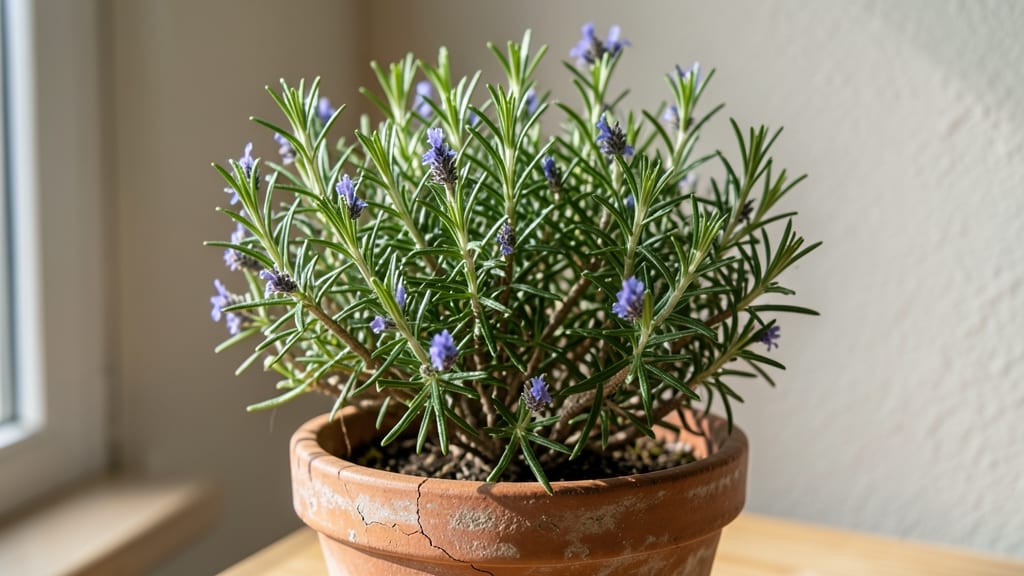
If you’ve ever wondered whether your rosemary plant will stretch toward the sky like a tiny evergreen tree or stay neatly contained in a pot, here’s the answer: how tall does a rosemary plant grow depends entirely on the variety you choose and how you care for it.
Most rosemary plants—like the classic Tuscan Blue—can reach 4 to 6 feet tall when given plenty of space, while dwarf varieties like Prostratus stay under 2 feet, perfect for windowsills or edging garden beds.
The difference isn’t just about genetics; sunlight, pruning, and soil all play a role in whether your 🌿 grows wild or stays compact.
Whether you’re planning a fragrant hedge or a kitchen herb garden, knowing these height ranges helps you pick the right spot—and avoid the surprise of a rosemary bush suddenly blocking your patio door.
I’ll break down the exact heights by variety, plus the simple tricks to control growth no matter your space.
Ready to turn your rosemary into a showstopper (or a tidy little pot plant)? Let’s dive into the details so you can grow it exactly how you want—no guesswork required.


Rosemary plant height by variety: compact vs. towering options
If you're planning your garden layout or choosing a rosemary variety for your kitchen, knowing the mature height is crucial. Some rosemary plants stay under 2 feet—perfect for containers—while others can reach 6 feet or more, making them ideal for hedges or background plantings.
The difference often comes down to the variety and how you prune it. Let's break down the most popular types so you can pick the perfect fit for your space.
The Tuscan Blue variety is one of the most popular for its striking blue-green foliage and 3–5 foot mature height. It's a versatile choice that works well in both garden beds and large containers.
Meanwhile, Prostratus rosemary stays low and spreading, reaching just 1–2 feet tall but spreading up to 5 feet wide—ideal for ground cover or rock gardens. These differences mean you can tailor your rosemary to your garden's needs, whether you want a tall hedge or a compact container plant.
| Variety | Mature Height | Spread | Best For | Notes |
|---|---|---|---|---|
| Tuscan Blue | 3–5 ft | 2–3 ft | Hedges, borders | Cold-hardy, upright growth |
| Prostratus | 1–2 ft | 4–5 ft | Ground cover, containers | Spreading habit, drought-tolerant |
| Arp | td style="padding: 10px; border-bottom: 1px solid #D4A574;">2–3 ft2–3 ft | Containers, small gardens | Compact, bushy, great for pots | |
| Hill Hardy | 4–6 ft | 3–4 ft | Background plantings, hedges | Tallest variety, cold-resistant |
| Blue Spires | 2–4 ft | 2–3 ft | Borders, containers | Narrow, upright growth |
The Arp variety is a fantastic choice if you're limited on space but still want a substantial rosemary plant. It typically stays between 2–3 feet tall and wide, making it perfect for small gardens or large containers.
For those who love a tall, dramatic look, the Hill Hardy variety can reach up to 6 feet, making it ideal for creating a natural privacy screen or adding height to a garden bed.
If you're unsure which to pick, consider your garden's layout and how much space you can dedicate to vertical growth.
For container gardening, dwarf varieties like Prostratus or Arp are your best bets. These stay under 2 feet tall, which means they won't outgrow their pots quickly. Just ensure your container has adequate drainage, as rosemary hates soggy roots.
If you're planting in the ground, taller varieties like Tuscan Blue or Hill Hardy will thrive as long as they get plenty of sunlight and well-draining soil. These conditions are key to encouraging their natural height potential.
One common mistake gardeners make is assuming all rosemary plants will grow the same size. In reality, pruning habits play a huge role in height control. If you want a bushier, compact plant, prune regularly to encourage branching. Conversely, if you let it grow wild without pruning, even dwarf varieties can become leggy and tall. For example, a Prostratus rosemary left unpruned might eventually reach 3 feet tall instead of its usual 1–2 feet. Understanding this will help you manage your rosemary's size effectively.
If you've ever wondered why your rosemary plant looks like a tiny shrub while your neighbor's stretches toward the sky, growing conditions are the culprit. The same rosemary variety can reach 6 feet in ideal conditions or stay stunted at 1 foot with poor care. Understanding these factors lets you control your plant's height—whether you want a compact kitchen herb or a towering garden statement. Sunlight exposure is the most critical factor. Rosemary thrives in full sun (6+ hours daily), where it grows vigorously. Even partial shade (3-4 hours) can reduce height by 50% or more, making plants leggy and sparse. I've seen Tuscan Blue rosemary hit 5 feet in full sun but barely reach 2 feet in a shady corner. Soil type plays a surprising role too. Well-draining soil with sandy loam or gravelly mixes encourages healthy root growth, while clay-heavy soil causes root rot and stunted growth. I once had a rosemary plant in clay soil that barely grew past 12 inches—until I amended it with perlite and compost, which doubled its height in a season. ⚠️ WARNING: Common Mistake That Stunts Rosemary Growth Rosemary's height isn't just about genetics—overwatering and poor pruning are silent growth killers. Many gardeners unintentionally drown their plants by watering on a fixed schedule, causing root suffocation. Meanwhile, neglecting pruning leads to woody, leggy stems that never fill out. Even in USDA Zone 7, I've seen Hill Hardy rosemary grow 4 feet tall with proper care but remain under 2 feet when ignored. The fix? Water deeply but infrequently (every 7-10 days) and prune regularly to encourage bushiness. Pruning techniques make an even bigger difference than most gardeners realize. Pinching back tips early encourages bushier growth, while shearing mature plants keeps them compact and dense. I prune my Prostratus rosemary (a trailing variety) by cutting back 1/3 of new growth every 4-6 weeks, keeping it at a manageable 1-2 feet height—perfect for container gardens. Skip pruning, and even dwarf varieties can bolt upright and grow 3 feet tall. Climate zones also influence height dramatically. Rosemary is hardy in USDA Zones 7-10, but colder climates (Zone 6) force plants to grow more slowly and compactly to survive winter. In Zone 10, where I garden, my rosemary grows 30-50% taller than identical plants in Zone 7 because of the longer growing season. Even within zones, microclimates matter: A rosemary plant near a south-facing wall will outgrow one in an open, windy area. Want to maximize height? Combine full sun, well-draining soil, and minimal pruning. For compact growth, use partial shade, regular pruning, and smaller containers. The key is consistency—rosemary responds predictably to care, so small adjustments can mean the difference between a 1-foot shrub and a 6-foot giant. Start with your plant's natural tendencies and tweak conditions to match your vision.How growing conditions dramatically affect rosemary height