
Plants
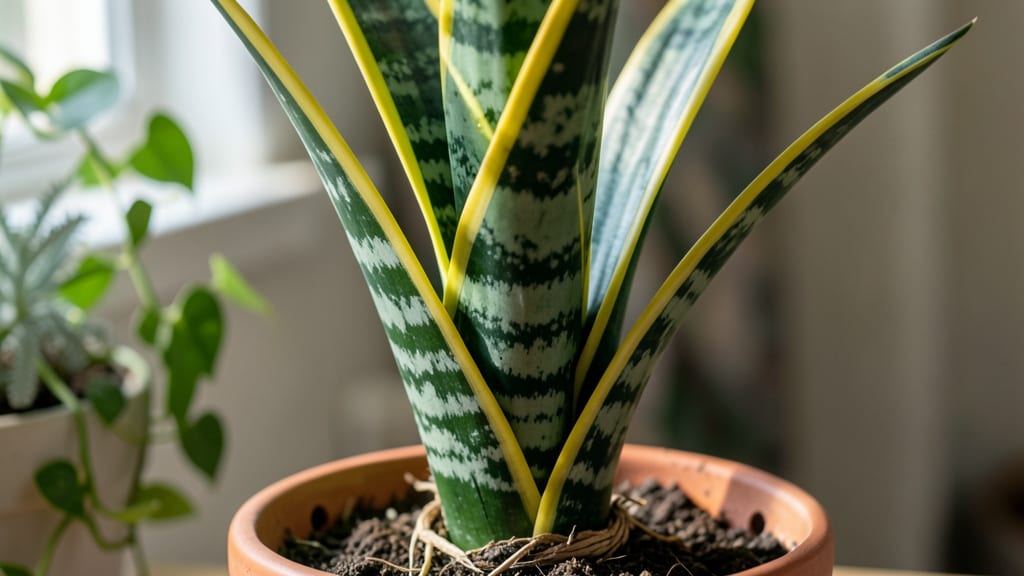
If you’ve ever wondered how tall a snake plant will grow in your home, you’re not alone. This hardy houseplant can grow surprisingly tall—some varieties even reach 3–4 feet indoors—while others stay compact and manageable.
The difference often comes down to the specific type you’re growing and how you care for it.
Understanding your snake plant’s growth potential helps you plan its placement and maintain its health. Whether you’re dealing with a towering Futura Superba or a smaller Hahnii variety, knowing what to expect makes all the difference.
Let’s break down the height ranges by variety and how you can influence its growth.
Light exposure, pot size, and even pruning play a role in controlling how tall your snake plant becomes. With the right care, you can keep it at a manageable height or encourage it to grow taller—whichever fits your space and style. Ready to learn how?
From dwarf varieties that stay under 2 feet to giants that stretch toward the sky, snake plants offer options for every home. Discover how to nurture yours for the perfect height and keep it thriving for years.


Snake plant height limits by variety: what to expect from common types
If you’ve ever wondered whether your snake plant will grow into a towering jungle monster or stay a manageable houseplant, the answer depends entirely on its variety. Some types remain compact and bushy, while others stretch toward the ceiling like vertical sculptures.
Understanding these height differences helps you choose the perfect variety for your space and manage its growth effectively.
The mature height of a snake plant varies dramatically—from just a few inches to over four feet tall. For example, the ‘Hahnii’ variety stays small and clumping, while ‘Futura Superba’ can reach impressive heights.
Even within the same species, growing conditions like light exposure, pot size, and humidity play a role in how tall your plant becomes.
Here’s a quick visual guide to help you compare the most popular snake plant varieties and their typical height ranges. This will give you a clear idea of what to expect as your plant matures, whether you’re dealing with a bushy dwarf or a tall, slender giant.
| Variety | Mature Height Range | Growth Habit | Best For |
|---|---|---|---|
| ‘Hahnii’ (Bird’s Nest) | 12–18 inches | Bushy, rosette-forming | Small spaces, desks, shelves |
| ‘Laurentii’ | 2–3 feet | Upright, slender leaves | Medium rooms, offices |
| ‘Futura Superba’ | 3–4 feet | Tall, broad leaves | Large spaces, statement plants |
| ‘Moonshine’ | 1–2 feet | Compact, variegated | Desks, small containers |
| ‘Golden Hahnii’ | 10–16 inches | Dwarf, rosette-forming | Terrariums, mini gardens |
| ‘Twist’ | 2–3 feet | Twisted leaves, upright | Medium to large spaces |
The ‘Hahnii’ variety is the smallest, often staying under 18 inches tall even when mature. Its clumping growth habit makes it ideal for small spaces like desks or shelves. If you’re looking for a low-maintenance plant that won’t outgrow its container quickly, this is a fantastic choice.
Its compact size also makes it perfect for hanging planters or terrariums.
On the other end of the spectrum, ‘Futura Superba’ can reach heights of 3–4 feet, making it a striking statement plant for larger rooms or offices. This variety thrives in bright, indirect light and benefits from occasional fertilization to encourage its rapid vertical growth.
If you love a dramatic, architectural look, this tall beauty is worth the space it demands.
For those who prefer something in between, ‘Laurentii’ strikes a balance with a mature height of 2–3 feet. Its slender, upright leaves add a modern touch to any room, and it’s versatile enough to fit in both small apartments and large living spaces.
This variety is also highly drought-tolerant, making it a favorite for busy plant parents.
If you’re working with limited space but still want variety, consider ‘Moonshine’ or ‘Golden Hahnii’. Both stay under 2 feet tall and offer unique variegated foliage that brightens up any corner.
These dwarf varieties are perfect for small containers or even as gifts because they’re easy to care for and won’t overwhelm a tiny shelf.
One common misconception is that all snake plants grow tall over time. In reality, their height potential is largely determined by their genetics. However, factors like pot size, light exposure, and pruning
How to control snake plant height: pruning, pot size, and light tips
If your snake plant is growing taller than you’d like, don’t worry—you can manage its height with a few simple adjustments. The key lies in pruning techniques, pot selection, and light exposure.
These strategies help keep your plant at your desired size while ensuring it stays healthy and vibrant. Let’s explore how to control its vertical growth effectively.
First, understand that snake plants grow upward when they have space and the right conditions. Tall varieties like Futura Superba can reach 3–4 feet indoors, while smaller types like Hahnii stay compact at 1–2 feet.
Your goal is to match the plant’s natural growth habits with your care routine. Start by assessing your plant’s current height and growth rate to determine the best approach.
Snake plants hate root disturbance. Repotting too often or pruning too aggressively can stress the plant, leading to stunted growth or even death. Prune only when necessary (e.g., leggy growth or damaged leaves) and repot every 2–3 years or when roots circle the pot.
Overcrowded roots force upward growth—so choose pots wisely!
To prune your snake plant for height control, focus on removing the longest, leggiest leaves at the base. Use clean, sharp scissors or pruning shears to cut just above a leaf node.
This encourages bushier growth and prevents the plant from stretching too tall. Never prune more than 1/3 of the plant at once, as this can shock the plant and slow its recovery.
Pot size plays a critical role in controlling height. Snake plants grow taller when root-bound or cramped. To keep them compact, use a pot that’s only 1–2 inches wider than the plant’s root ball.
Terracotta pots help by drying out faster, which discourages rapid vertical growth. Avoid oversized pots—this leads to excessive soil moisture and leggy stems as the plant searches for light.
The light conditions in your home directly impact your snake plant’s height. Place it in bright, indirect light (like a north-facing window) to promote balanced growth. Too little light causes etiolation—stretched, weak stems reaching for sunlight.
If your plant is already tall and leggy, move it to a sunnier spot (but avoid direct afternoon sun, which can scorch leaves).
Finally, avoid these common mistakes that cause overgrowth: overwatering (which stresses roots), using pots without drainage holes (leading to root rot), and fertilizing too often (which encourages rapid, weak growth).
Stick to a balanced fertilizer like 10-10-10 applied once in spring and let the plant’s natural growth rhythm guide its height.