
Plants
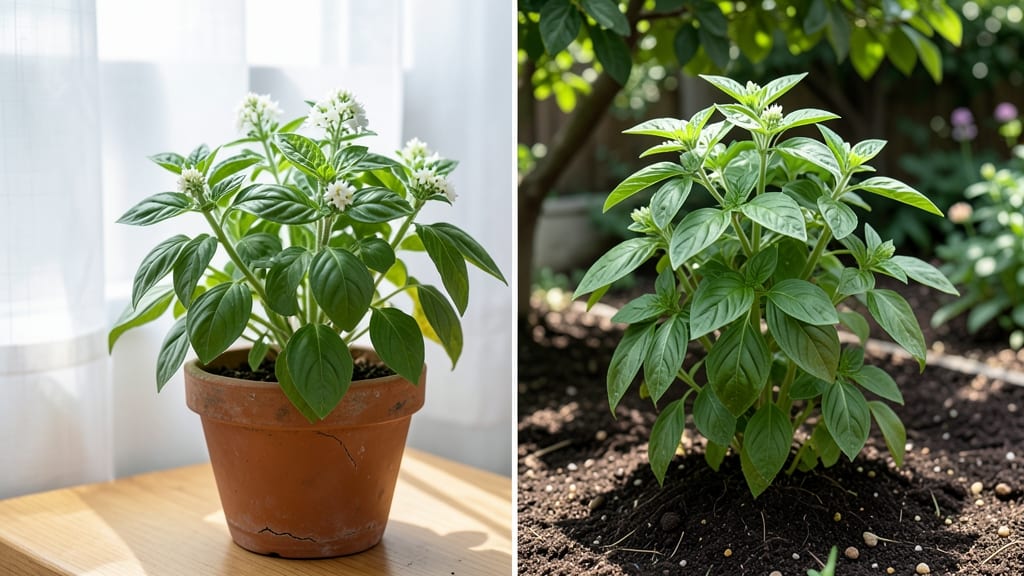
If you’ve ever wondered how tall a basil plant can grow, you’re not alone—but the answer might surprise you.
While some varieties can stretch toward 2 feet under perfect conditions, most basil plants cap out around 18 inches, making them the perfect kitchen companion without taking over your space.
Here's the thing: basil height isn't just about genetics—it's a mix of variety, care, and a little luck with the weather.
Whether you're growing Genovese basil for pesto or Thai basil for curries, understanding these factors will help you coax the perfect height from your plants without sacrificing flavor or health.
In this guide, I'll break down exactly how tall different basil varieties can grow, the secrets to encouraging (or controlling) their height, and why some plants seem to bolt skyward while others stay stubbornly short.
You'll learn how sunlight, pruning, and even your watering habits play a role in shaping your basil's stature.
Ready to grow basil that's just the right height for your needs? Let's dive into the details so you can enjoy fresh, flavorful leaves without the towering mess.


Basil plant height by variety: compact vs. towering types
If you're growing basil, one of the first questions you'll ask is how tall can a basil plant grow? The answer varies dramatically by variety—from compact dwarf types that stay under a foot to towering giants reaching nearly 3 feet.
Understanding these differences helps you choose the right variety for your space and care goals. Whether you're growing basil in containers on a patio or garden beds, knowing the mature height ensures proper spacing and sunlight access.
Most basil varieties fall into three height categories: dwarf (6-12 inches), semi-dwarf (12-18 inches), and standard (18-24+ inches). The variety you pick isn't just about aesthetics—it impacts harvesting ease, pruning frequency, and even flavor intensity.
For example, Genovese basil, a classic choice, typically grows 18-24 inches tall, while Thai basil often stays slightly shorter at 12-18 inches. Let's break down the specifics so you can visualize growth expectations and plan your garden layout accordingly.
When choosing a basil variety, consider your growing space. For
How to control basil height: pruning, staking, and growth hacks
If your basil is stretching toward the sky like a sunflower, it’s time to take control. Uncontrolled growth leads to leggy stems and fewer leaves for harvesting. The good news?
With the right techniques, you can keep your basil bushy and compact—or even encourage a taller, sturdier plant if that’s your goal. Let’s dive into the tools and tricks to manage your basil’s height like a pro.
First, understand that basil height is influenced by genetics, sunlight, and care habits. Standard varieties like Genovese basil can reach 18-24 inches tall, while dwarf varieties stay under 12 inches.
But even the tallest basil can be managed with smart pruning and staking. The key is to act early—once your plant starts getting too leggy, it’s harder to correct.
Here’s a simple step-by-step guide to keep your basil at your desired height, whether you want a bushy herb garden or a taller, more structured plant:
One common mistake is waiting too long to prune. If your basil becomes too tall or leggy, it’s already stressed. Start pruning early and often—even if it means sacrificing a few leaves. The goal is to encourage lateral growth, not just vertical.
For taller varieties, like Thai basil, staking is a game-changer. Without support, these plants can flop over, wasting space and reducing airflow.
Remember, container size matters. A 5-gallon pot will produce a larger, taller plant than a 1-gallon container. If you’re growing basil in garden beds, space plants 12-18 inches apart to allow airflow and prevent disease.
And always harvest leaves from the top down to maintain a balanced shape. With these tips, your basil will stay healthy, productive, and at your desired height all season long.
🌿