
Companion Plants
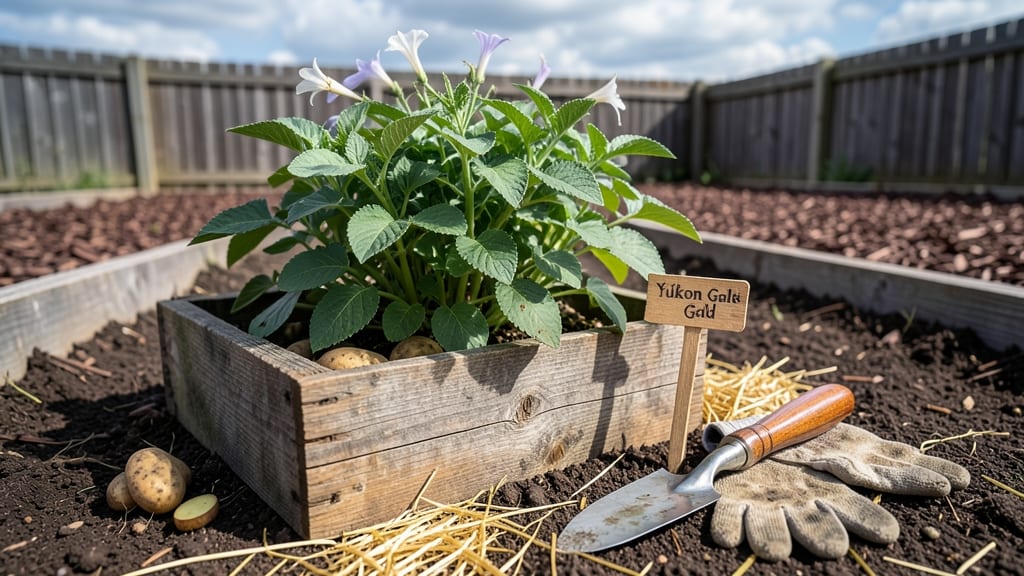
Planting potatoes in Zone 7 at the wrong time can leave you with stunted 🥔 or worse—no harvest at all. The key to success lies in understanding your last frost date and soil temperature, which vary slightly between 7a and 7b subzones.
For most gardeners in this region, the ideal window opens 2-4 weeks before your last frost, typically between mid-March and early April. But timing isn’t just about the calendar—it’s also about soil conditions. Cold, wet soil can delay germination, while warm, loose soil gives your spuds the perfect start.
I’ll walk you through exactly when to plant for both spring and fall harvests, plus how to adjust for early vs. late varieties.
Whether you’re a first-time grower or a seasoned gardener looking to maximize your yield, these insights will help you avoid common mistakes and get the most out of your potato patch.
Ready to dig in? Let’s break down the best planting schedule for your Zone 7 garden, so you can enjoy homegrown potatoes all season long—without the guesswork.
Zone 7 potato planting calendar: exact weeks before last frost for best results
In Zone 7, where last frost dates range from March 15 (7a) to April 1 (7b), timing your potato planting is critical for maximizing yield. Planting too early risks frost damage, while waiting too long can lead to stunted growth.
The ideal window is 2-4 weeks before your last frost date, but soil temperature matters just as much—potatoes need 45°F+ soil to sprout reliably.
Most gardeners in Zone 7 aim for mid-March to early April for spring planting, but late summer planting (for fall harvest) is also possible. Early varieties like Red Pontiac can handle cooler soils, while Yukon Gold and Fingerlings prefer warmer conditions.
Understanding your microclimate—like a sheltered garden bed—can extend your planting window by 1-2 weeks.
Soil temperature is your best guide, not just frost dates. Use a soil thermometer to confirm 45°F+ at planting depth (4 inches). In Zone 7, this typically aligns with late March to early April, but cooler springs may push you into April.
Cold, wet soils delay germination and invite rot—never plant in soggy conditions.
For a continuous harvest, try succession planting in Zone 7. Start with early varieties (60-day) in late February/March, then follow with mid-season (90-day) types in April, and finish with late varieties (110-day) in early May. This spreads your harvest from June through September, ensuring fresh spuds all summer.
If you miss the spring window, don’t despair—fall planting works well in Zone 7 for a late harvest. Aim for July-August, choosing heat-tolerant varieties like Russian Banana or German Butterball.
These potatoes mature quickly in warm soil and can be harvested before the first frost (October-November in Zone 7).
Always hill your potatoes (pile soil around stems) every 2-3 weeks to encourage tuber formation. In Zone 7, this is especially important in spring plantings, where cooler nights slow growth.
Use straw or loose soil to avoid disturbing roots—never use clay-heavy soil, as it compacts and stunts tubers.
Watch for soil-borne diseases like blight, common in Zone 7’s humid summers. Rotate crops annually and avoid planting potatoes in the same spot for 3-4 years. If your garden has a history of disease, consider container growing with sterile potting mix, which gives you more control over soil health.
Pro tip: Chit your seed potatoes (sprout them indoors) 4-6 weeks before planting. This gives you a 2-week head start on growth, critical in Zone 7’s shorter growing season. Place potatoes in a bright, cool spot (55°F) with light
How to adjust your planting schedule for different potato varieties in Zone 7
Not all potatoes are created equal—and neither are their planting schedules! In Zone 7, your choice of early, mid, or late-season varieties (like Yukon Gold, Red Pontiac, or Fingerlings) determines when you should plant for peak harvests.
Early varieties need to go in the ground first, while late-season types can wait until soil warms. Let’s break it down so you can match your spuds to the perfect planting window.
First, know that Zone 7’s last frost date typically falls between March 15 (7a) and April 1 (7b). For early varieties, aim to plant 4-6 weeks before that date, while late-season types can wait until 2 weeks after.
Soil temperature also matters—wait until it reaches 45°F for consistent germination. Adjusting your schedule by variety ensures you’ll have fresh potatoes from summer through fall!
🌱 Zone 7 Potato Planting Guide by Variety
-
Early Varieties (60-90 days): Red Norland, Yukon Gold
📅 Plant: Late February to early March (4-6 weeks before last frost) -
Mid-Season Varieties (90-110 days): Kennebec, Katahdin
📅 Plant: Mid-March to early April (2-4 weeks before last frost) -
Late Varieties (110+ days): Fingerlings, Russian Banana
📅 Plant: Late April to early May (after soil reaches 50°F) -
Fall Planting (For Late Harvest): Any variety
📅 Plant: Mid-July to early August (harvest before first frost)
Pro Tip: Space seed potatoes 12 inches apart and rows 2-3 feet apart for optimal airflow and tuber development. 🌿
For early varieties, like Yukon Gold, prioritize planting in late February or early March to ensure they mature before summer heat sets in. These types thrive in cooler soil and produce tender, waxy tubers perfect for roasting or mashing.
Meanwhile, mid-season varieties like Kennebec can handle slightly warmer soil, making them ideal for a mid-March to early April planting window.
If you’re growing late-season varieties, such as Fingerlings or Russian Banana, wait until late April or early May when soil temperatures consistently stay above 50°F. These potatoes need more time to mature and store well, making them great for fall harvests.
Don’t forget to hill soil around stems every 2-3 weeks to encourage tuber formation and prevent greening.
For a second harvest, consider planting a fall crop in mid-July to early August. Choose early or mid-season varieties and aim to harvest before the first frost in October or November.
This strategy extends your harvest season and maximizes garden space. Just ensure your soil is well-draining and enriched with compost to support rapid growth.
Finally, always chit your seed potatoes (sprout them indoors) 4-6 weeks before planting to jumpstart growth. This simple step gives you a 2-week head start on germination, especially important for early varieties in Zone 7’s cooler springs.
With the right schedule, you’ll enjoy a continuous supply of homegrown potatoes from summer through fall! 🥔