
Companion Plants
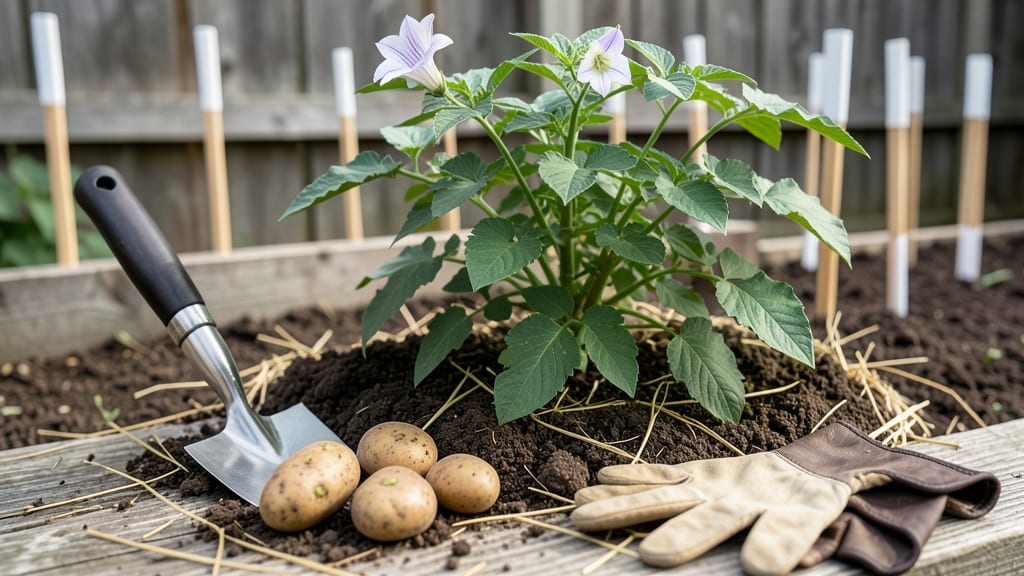
Timing when do I plant potatoes in Zone 7 is the secret weapon behind a bumper harvest—or the reason your crop ends up small and scraggly.
You’ve probably heard “plant in spring,” but the real magic happens when you sync those seed potatoes with soil temperatures and frost dates that actually work for your microclimate.
Here’s the deal: Zone 7’s last frost average of April 15 gives you a narrow window to get potatoes in the ground at the perfect moment. Plant too early, and cold soil stunts growth; too late, and you risk missing the 90-day maturity window before summer heat sets in.
The solution? A strategic approach that balances soil warmth, variety selection, and even staggered plantings for continuous harvests.
I’ll break down exactly when to plant—whether you’re going for early spring spuds or late-summer varieties—and how to tweak your schedule for cooler or warmer pockets within Zone 7.
Spoiler: the key isn’t just the calendar; it’s soil temperature, tuber depth, and knowing which varieties thrive in your specific corner of the zone.
Ready to turn your potato patch from “meh” to “mountain of tubers”? Let’s dig into the science—and the simple tricks—that make all the difference in Zone 7. Your harvest is waiting.
Optimal planting windows for Zone 7 potatoes: early spring vs. late winter
In Zone 7, potatoes thrive when planted at the perfect intersection of soil warmth and frost-free conditions. The classic window—2-4 weeks before your last frost date—typically lands between March 15 and April 15, but this varies by northern vs. southern Zone 7 microclimates.
For example, northern Zone 7 (like parts of Virginia or Missouri) may need to wait until late April, while southern Zone 7 (like North Carolina or Tennessee) can start as early as mid-March.
But here’s the catch: soil temperature matters more than the calendar. Potatoes won’t sprout until the soil warms to 40-50°F. Planting too early in cold soil leads to rotten seed potatoes or stunted growth.
Use a soil thermometer to confirm readiness—this is your best tool for avoiding wasted seed potatoes.
For late winter plantings, some gardeners swear by chitting potatoes indoors (pre-sprouting in egg cartons) to jump-start growth. This works best when paired with row covers after planting to protect young shoots from late frosts.
However, chitting isn’t necessary if you’re planting early-maturing varieties like ‘Yukon Gold’ or ‘Red Norland’, which tolerate cooler soils.
Zone 7’s frost-free growing season averages 180 days, giving you room for two harvests: one in early summer (plant in March) and another in fall (plant in July). The key is matching your variety’s maturity time (60-120 days) to your planting window.
For instance, ‘Early Girl’ (60 days) fits a March planting, while ‘Kennebec’ (110 days) needs a May start.
If you’re in northern Zone 7 (e.g., Ohio or Pennsylvania), err on the side of planting later—say, April 1–May 1—to avoid late spring frosts. In southern Zone 7 (e.g., Georgia or South Carolina), you can push March 1–March 15 for early varieties.
Always check your local frost maps (like the National Weather Service) for precise dates.
Pro tip: Test your soil’s readiness by pressing your finger into the ground. If it feels like a warm, crumbly cake batter, it’s time to plant. Cold, compacted soil will delay germination by weeks. Amend with compost or aged manure to improve drainage and warmth retention—potatoes hate soggy soil.
For container growing, aim for 10-inch-deep pots and plant 2-3 weeks earlier than ground plantings. Containers warm up faster in spring, but they also dry out quicker, so water consistently. Varieties like ‘Patriot’ or ‘Kennebec’ work well in containers due to their compact growth habit.
One mistake I’ve seen new gardeners make is planting potatoes too deep
How to stagger plantings for continuous potato harvests in Zone 7
Staggering your potato plantings is the secret to enjoying fresh tubers from early summer through fall in Zone 7. By spacing out your plantings every 2-3 weeks, you’ll create a rolling harvest that keeps your kitchen stocked—and your garden productive.
This method works especially well for gardeners who want to avoid the rush of harvesting all their potatoes at once.
In Zone 7, where the growing season spans roughly 180 frost-free days, staggered plantings let you tailor your harvest to your needs. Early varieties mature in about 60-75 days, while late-season types take up to 120 days.
By planting a mix, you can enjoy baby potatoes in June and fully mature tubers by October.
- 📅 Step 1: Choose Your Varieties
- Early: 'Yukon Gold' (70 days), 'Red Norland' (75 days)
- Mid-Season: 'Kennebec' (90 days), 'Russet' (100 days)
- Late: 'Blue Lake' (110 days), 'Fingerling' (120 days)
- 🌱 Step 2: Plant in 2-Week Intervals
- First planting: 2-4 weeks before last frost (early March)
- Second planting: 2 weeks later (mid-March)
- Third planting: 2 weeks after that (late March)
- 📏 Step 3: Adjust Spacing for Success
- Rows: 30 inches apart for easy hilling
- Plants: 12 inches apart in rows
- Depth: 4-6 inches (eyes up, not buried)
- 🌡️ Step 4: Monitor Soil Temps
- Wait until soil reaches 45°F (7°C) for germination
- Avoid planting if temps drop below 40°F (4°C)
- Use black plastic mulch to warm soil faster
- ⏳ Step 5: Time Your Harvests
- Early varieties: Harvest in June-July (new potatoes)
- Mid-season: Harvest in July-August (mature tubers)
- Late varieties: Harvest in September-October (storage crops)
For gardeners in northern Zone 7 (shorter seasons), focus on early and mid-season varieties to avoid frost damage. In southern Zone 7 (longer seasons), you can add a fall planting in late July for a late-October harvest.
Just ensure your last planting has enough time to mature before the first frost.
Pro tip: Use row covers for early plantings to protect tender shoots from late frosts. This extends your planting window by 1-2 weeks without risking frost damage. Pair this with organic mulch to keep soil temperatures stable and moisture levels consistent.
Staggered plantings also help manage pests and diseases. By rotating varieties and harvest times, you reduce the buildup of soil-borne pathogens. Plus, you’ll always have a fresh batch ready to replant if pests target an older planting.
With this method, you’ll turn your potato patch into a year-round harvest machine—no more feast-or-famine yields! 🌱