
Plants
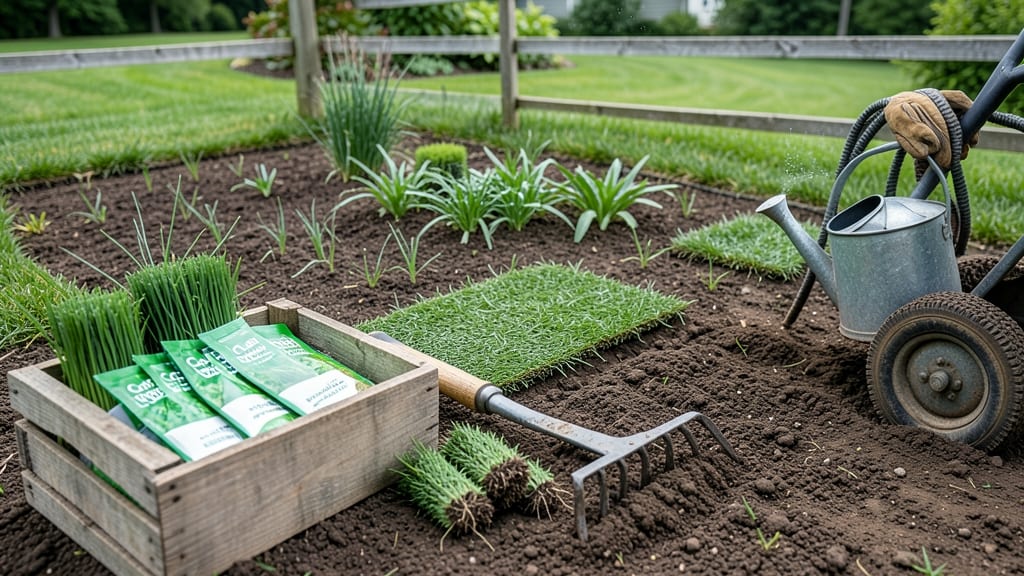
Planting your 🌱 lawn grass too early in spring can turn your green dreams into a frost-killed nightmare—so knowing the perfect window for your zone is everything.
In USDA Zone 6 (where most of us live), the sweet spot arrives 2-4 weeks before your last frost date, but soil temperature is the real game-changer.
Here’s the kicker: cool-season grasses (like Kentucky Bluegrass) need soil at 55–65°F to germinate, while warm-season types (like Bermuda) wait for 65–75°F. Plant too soon, and you’re fighting frost damage or poor root growth—plant too late, and summer heat zaps your seed’s energy before it even sprouts.
I’ll break down exactly how to check your soil temp, when to adjust for early/late springs, and the 3 critical signs your lawn is ready to thrive. No more guessing—just a lush, resilient yard that starts with the right timing.
Let’s get your grass growing strong this season, not struggling to survive it.
Ideal soil temperature for planting grass in spring by USDA Zone
Getting your spring grass planting timing right starts with soil temperature, not just air temperature. While many gardeners focus on frost dates, grass seeds need warmth to germinate properly.
Cool-season grasses like Kentucky bluegrass and fescue thrive when soil hits 40°F–55°F, while warm-season types like Bermuda and Zoysia demand 65°F–75°F. Planting too early in cold soil can lead to poor germination or even seed rot.
Your USDA hardiness zone plays a huge role in when you can safely plant. Northern zones (3–5) often wait until late April or May, while Southern zones (7–10) may start as early as February or March.
The key is balancing soil warmth with frost risk—planting when nighttime temps stay above 40°F consistently ensures your new grass has the best chance to establish.
Here’s how to check your soil temperature before planting: Use a soil thermometer (available at garden centers for ~$10) and measure 2–4 inches deep—this is where seeds will germinate. If your zone is 6 or higher, aim for 55°F+ for cool-season grasses.
For warm-season grasses, wait until soil hits 65°F+, even if your zone allows earlier planting.
In USDA Zone 3–5, where winters are harsh, late April or early May is typically ideal for cool-season grasses. These zones often see frost until mid-May, so rushing can mean seedling damage.
In contrast, Zones 7–10 can start as early as February for warm-season grasses, but March is safer to avoid unexpected cold snaps that can stunt growth.
If you’re in Zone 6 or 7, where springs are unpredictable, late March to early April is often the sweet spot for cool-season grasses.
For warm-season grasses, wait until soil temps stay above 65°F for 5+ days—this usually aligns with late May in Zone 6 or April in Zone 7.
Pro tip: Ryegrass can be a great early-season cover crop in these zones to hold soil while you wait for ideal temps.
One common mistake is planting warm-season grass too early in cooler zones. For example, Bermuda grass planted in Zone 5 in April will sit dormant until soil warms, wasting your effort.
Instead, wait until June when soil is consistently 70°F+. Similarly, cool-season grasses planted in Zone 9 in March may struggle with heat stress before they establish.
To test if your soil is ready, do the "squeeze test": Grab a handful of soil—if it crumbles easily when dry and holds shape
Frost-free date calculator: how to time grass planting after last frost
Planting grass too early after the last frost can leave your seeds vulnerable to frost damage or poor germination, while waiting too long risks summer heat stress before roots establish.
The key is understanding your local frost-free date and adjusting for your grass type—cool-season grasses like Kentucky bluegrass thrive in cooler soil, while warm-season types like Bermuda grass need warmer temperatures to germinate.
Start by checking your USDA hardiness zone (find yours via the [USDA Zone Map](https://planthardiness.ars.usda.gov/)) and then use local weather averages to estimate your last frost date. For most regions, this falls between mid-April and mid-May, but early springs can shift this window by 2–4 weeks.
If you’re unsure, use a frost-free date calculator (like the one from [Old Farmer’s Almanac](https://www.almanac.com/gardening/frostdates)) for a more precise timeline.
- 1 Find your last frost date: Check local averages or use a frost-free calculator to pinpoint your zone’s typical last frost (e.g., April 15 for Zone 6a).
- 2 Adjust for early/late springs: If your spring has been warmer than average, plant 2–3 weeks earlier. For cooler springs, delay by 1–2 weeks to avoid frost risks.
- 3 Plant cool-season grass 4–6 weeks before last frost: Types like fescue or ryegrass germinate best in 50–60°F soil. Aim for early spring (March–April) in most zones.
- 4 Plant warm-season grass 2–3 weeks after last frost: Grasses like Zoysia or St. Augustine need 65–75°F soil. Wait until late spring (May–June) when nights stay above 55°F.
- 5 Test soil temperature: Use a soil thermometer to confirm readiness. Cool-season grass: 50–60°F. Warm-season grass: 65–75°F. Planting too early or late can halve germination rates.
Once you’ve nailed down your frost-free date, prepare your soil by tilling to a depth of 4–6 inches and amending with compost to improve drainage. For cool-season grasses, aim to plant 4–6 weeks before the last frost—this gives seeds time to germinate before summer heat arrives.
If you’re in a warmer zone (7–10), focus on late summer/early fall planting instead, as cooler temps reduce stress on new grass.
For warm-season grasses, wait until 2–3 weeks after the last frost when soil temperatures consistently stay above 65°F. These grasses struggle in cooler conditions, so rushing the process can lead to weak, patchy growth.
If your area has unpredictable frost patterns, consider using frost blankets to protect newly seeded areas until temperatures stabilize.
Pro tip: If you miss the spring window, overseed in early fall (6–8 weeks before first frost) for a second chance at lush grass. Fall planting often yields better results because cooler temps and frequent rain reduce watering demands and stress on young grass.