
Plants
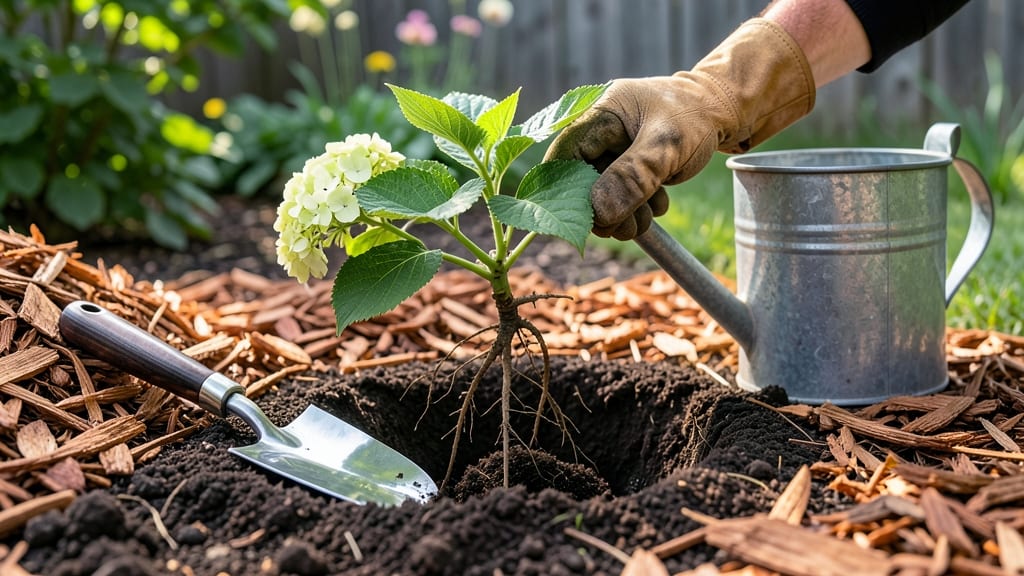
Planting your hydrangeas 🌸 in the ground at the wrong time can mean the difference between lush, vibrant blooms and struggling shrubs that never quite thrive.
The best window for planting depends on your USDA zone, and getting it right ensures your plants establish strong roots before summer heat or winter frost hits.
For most gardeners in Zone 6a (like where I live), the sweet spot is late April to May, once the soil has warmed and the last frost has passed.
But what if you're in a warmer zone? Or considering fall planting instead? The timing shifts dramatically—and knowing these details could save your hydrangeas from common pitfalls.
I’ll walk you through the exact spring vs. fall planting timeline for your hardiness zone, including soil temperature checks and seasonal cues like bud break.
Whether you're dropping a hydrangea into the ground or a container, these insights will help you avoid overwatering, root shock, and other rookie mistakes that kill shrubs before they even start.
By the end, you’ll know not just when to plant, but how to prep your hydrangeas for a season of stunning color—no guesswork required. Let’s get those roots in the ground the right way.
Spring planting timeline for hydrangeas by USDA hardiness Zone
Spring is the ideal time to plant hydrangeas in most regions, but the exact window depends on your USDA hardiness zone and last frost date. Planting too early risks frost damage, while waiting too long can stress young roots before summer heat arrives.
I’ll break down the zone-specific timeline you need to know.
Hydrangeas thrive when planted after soil temperatures consistently stay above 50°F (10°C)—a key indicator that frost risk has passed. In colder zones, this means waiting until late spring, while warmer zones can plant as early as March. Let’s dive into the perfect planting windows for your area.
For Zone 5 gardeners, I recommend waiting until after Mother’s Day weekend (around May 10th) to ensure no late frosts will catch your hydrangeas off guard.
In Zone 9, you can plant as early as February, but avoid planting when daytime temps exceed 80°F (27°C)—this stresses young plants.
Your soil’s readiness is just as important as the calendar. Stick your finger 6 inches deep—if the soil feels cool but workable (not icy or muddy), it’s time to plant. For container-grown hydrangeas, check the root ball: if roots circle the pot, it’s ready to transplant.
Before planting, amend your soil with 2-3 inches of compost to improve drainage and fertility. Hydrangeas love moist, slightly acidic soil (pH 5.2-6.2), so test your soil and adjust with sulfur or lime if needed. In heavy clay soils, mix in perlite or sand to prevent root rot.
Once planted, water deeply to settle the soil and remove the container or burlap if present. Stake tall varieties immediately to prevent flopping in wind or rain. In Zone 6 and colder, I add a thick mulch layer (3-4 inches) to protect roots from late spring frosts.
After planting, avoid fertilizing for the first 4-6 weeks—let the roots establish first. Instead, focus on consistent watering (1-1.5 inches per week) and watch for new growth, which signals successful transplanting. In Zone 8 and warmer, provide afternoon shade to prevent leaf scorch.
Remember, panicle hydrangeas (like 'Limelight') are more frost-tolerant and can handle earlier planting, while mophead types (like 'Endless Summer') need warmer soil to thrive. Always check your local cooperative extension service for hyper-local frost data—it’s the most accurate guide!
With the right timing and prep, your hydrangeas will reward you with vibrant blooms all summer long. Happy planting! 🌸
Fall planting secrets: why and how to plant hydrangeas 4-6 weeks before frost
Fall is my secret weapon for hydrangea success—while many gardeners rush to plant in spring, the cooler temperatures and increased rainfall of autumn create perfect conditions for root establishment before winter.
When planted 4-6 weeks before your first frost, hydrangeas develop strong roots that give them a head start in spring, often resulting in bigger blooms and healthier growth.
Contrary to popular belief, not all hydrangeas should wait for spring. Varieties like Bigleaf and Oakleaf hydrangeas actually thrive when planted in fall, as their roots benefit from the gradual temperature drop. Even panicle hydrangeas, which bloom on new wood, can be planted in fall with proper care.
⚖️ Planting Hydrangeas in Fall: Pros & Cons
✅ Pros
- Root establishment: Cooler temps reduce stress on roots
- Moisture retention: Fall rains keep soil consistently damp
- Fewer pests: Bugs are less active in autumn
- Spring head start: Established roots bloom earlier
❌ Cons
- Early freeze risk: Young roots may be damaged if planted too late
- Limited selection: Nurseries often sell fewer varieties in fall
- Winter protection needed: Mulching required for tender varieties
- Zone limitations: Not ideal for Zone 10+ where winters are mild
The ideal fall planting window varies by USDA hardiness zone. In Zones 3-5, aim for mid-September to early October, while Zones 6-8 can plant until late October.
For Zone 9+, early fall (August-September) is best to avoid winter rains. Always check your last frost date and plant 6 weeks before.
Before planting, prune any wilted blooms but avoid heavy pruning—save that for spring. Amend your soil with compost or aged manure to improve drainage, and dig a hole twice as wide as the root ball.
Gently loosen roots if pot-bound, then plant at the same depth as the container to prevent crown rot.
After planting, water deeply to settle soil and remove air pockets, then apply 3-4 inches of mulch around the base (but not touching the stem) to insulate roots. For tender varieties in colder zones, wrap the root ball with burlap or use a tree guard for extra protection until spring.
Fall-planted hydrangeas often outperform spring-planted ones because they spend winter growing roots instead of foliage. With proper timing and care, you’ll enjoy healthier plants and more vibrant blooms next season—all from a little autumn planning! 🌿