
Plants
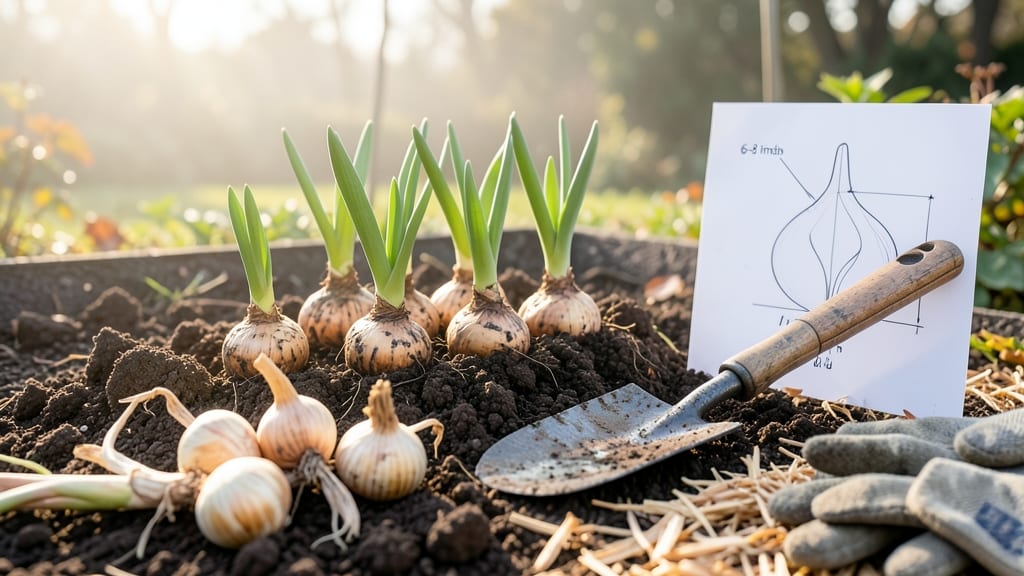
Planting tulips in the ground at the wrong time can mean wasted bulbs and missed blooms—but timing them perfectly in fall ensures vibrant spring displays with minimal effort.
The key to success lies in understanding your local climate and the 4-6 week window before the ground freezes, which varies dramatically across regions like USDA Zone 6a.
Many gardeners assume spring planting works, but tulip bulbs need cold stratification to thrive. When you plant them in fall, they establish roots before winter dormancy, giving them a head start for next year's 🌷 blooms. This isn't just about following a calendar—it's about working with nature's rhythm.
Let me show you exactly how to calculate your ideal planting window, whether you're in a mild southern climate or a harsh northern zone. We'll cover soil temperature cues, frost dates, and even how to adjust if winter arrives early.
With these strategies, you'll never wonder if you planted too soon or too late again.
You'll also discover how to prepare your soil, choose the right bulb depth, and protect your investment from unexpected freezes. By the end, you'll have a foolproof system that guarantees your tulips emerge strong and beautiful every spring—no guesswork required.
Optimal fall planting window for tulips by USDA hardiness Zones
Timing your tulip bulb planting is everything—get it right, and you’ll enjoy vibrant spring blooms with minimal effort. The golden rule? Plant 4-6 weeks before ground freezes in your USDA zone.
This window lets bulbs establish roots before winter, ensuring they survive dormancy and burst into color next year.
Southern gardeners (Zones 7-10) have more flexibility, often planting until December, while northern gardeners (Zones 3-6) must act by late October or risk frost damage. Let’s break down the exact timing for each zone so you can plant with confidence.
Pro Tip: Use your local frost date chart (available from USDA or National Weather Service) to pinpoint your last frost date. Count backward 6 weeks to find your ideal planting window.
| USDA Zone | Planting Window | Example Regions | Key Adjustments |
|---|---|---|---|
| Zones 3-4 | Mid-September to early October | Minnesota, Upstate New York, Montana | Plant 6-8 inches deep; add extra mulch for insulation. |
| Zones 5-6 | Late September to mid-October | Chicago, Denver, Vermont | Monitor soil temps—aim for 40-50°F at planting. |
| Zones 7-8 | October to early November | Atlanta, Northern California, Virginia | Can plant later but avoid freezing soil. |
| Zones 9-10 | November to December | Southern California, Arizona, Florida | Plant shallower (4-6 inches) in well-draining soil. |
If you’re in a transition zone (like Zone 6b), err on the earlier side—unpredictable frosts can derail your tulip blooms. For example, in Denver (Zone 5), aim for late September planting, while Seattle (Zone 8) gardeners can wait until mid-October.
Southern climates offer a longer planting window, but don’t wait too late. In Zone 9, planting after November 15 risks rot before roots establish. Test your soil’s readiness by pushing a thermometer into the ground—it should read 40-50°F at 6-inch depth.
Urban gardeners often face microclimates that differ from official zone maps. If your yard sits in a sunken area or near a heat-retaining wall, it may frost 2-3 weeks later than surrounding areas. Adjust your planting date accordingly—observe nearby plants like chrysanthemums or kale for frost cues.
For container gardening, plant 2-3 weeks earlier than ground planting—pots cool faster. Use black plastic mulch to warm soil in early fall and extend your planting window by 10-14 days. This trick is a game-changer for Zone 6-7 gardeners with short fall seasons.
Remember: Spring planting is a myth for hardy tulips. Bulbs need cold stratification to bloom, so fall planting is non-negotiable. If you miss the window, store bulbs in a cool, dark place (like a garage) until next fall.
Now that you’ve got your zone-specific timeline, grab those tulip bulbs and dig in—your spring garden will thank you! 🌷
5 Signs your tulip planting timing is perfect (or too early/late)
Timing your tulip bulbs correctly in fall is the secret to vibrant spring blooms. Plant too early, and you risk rot from warm soil; too late, and roots won’t establish before hard frost. Here’s how to nail the perfect window using simple, foolproof cues.
First, check the soil temperature—it should hover between 40-50°F. This chilly range signals your tulip bulbs that winter is coming, triggering root growth without encouraging premature sprouting. Use a soil thermometer or the back-of-the-hand test: if the ground feels cool but not frozen, it’s ready.
Next, examine the ground conditions. The soil should be firm but not frozen—you should be able to push a trowel in without resistance, but it shouldn’t turn to mud.
If rain has made your garden soggy, wait a few days for excess moisture to drain. Well-draining soil is non-negotiable; tulips rot in waterlogged ground, even in winter.
For those who swear by moon phases, aim to plant during the waxing moon (the seven days after a new moon). This phase aligns with root growth energy, helping your tulip bulbs establish stronger foundations before dormancy.
While not scientifically proven, many gardeners swear by this old-school trick for healthier blooms.
Finally, inspect your tulip bulbs for readiness. Healthy bulbs should feel firm and dry, with papery skins intact. Avoid planting any that are soft, shriveled, or show signs of mold or rot. Even the best timing won’t save compromised bulbs—start fresh with high-quality stock for guaranteed results.
If you miss the window, don’t panic! Planting in early December (before the ground freezes solid) still works, but bulbs may need extra mulch protection. Just avoid spring planting—tulips need winter’s cold to bloom, and skipping dormancy often leads to weak stems or no flowers at all.