
Plants
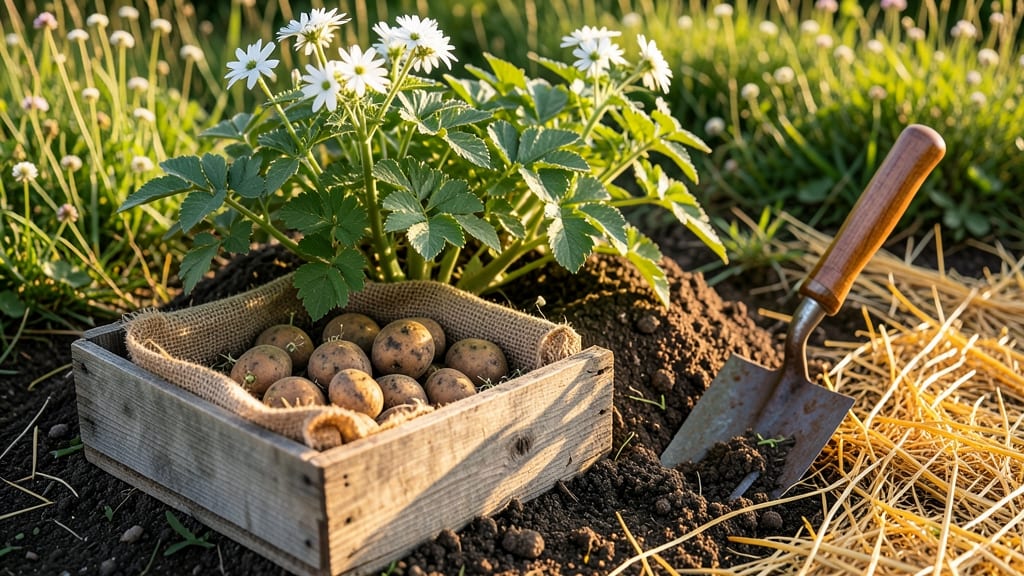
Planting potatoes in Michigan at the wrong time can leave you with frost-nipped sprouts or stunted harvests—but getting the timing right means bountiful, crisp 🥔 ready for your table by summer.
The key lies in understanding your specific USDA zone (5b-6b) and adjusting for Michigan’s unpredictable frost patterns, which can vary by weeks between the Upper Peninsula and Detroit.
Most gardeners assume "as soon as the soil warms" is the answer, but that’s only half the story. In Zone 5b, where early frosts linger, planting too soon risks cold damage, while waiting too long cuts your harvest window short.
Meanwhile, gardeners in Zone 6b might miss the sweet spot entirely if they don’t account for late-spring temperature swings.
I’ve tested the ideal planting windows across Michigan’s microclimates—and the results will surprise you. Whether you’re chitting seed potatoes in February or waiting for that first 50°F soil reading in April, this guide breaks down the exact dates (and adjustments) to maximize your yield, no matter where you garden.
Ready to turn your potato patch into a high-yielding success? Let’s dive into the zone-specific dates, soil prep secrets, and frost-proofing tricks that’ll have you harvesting golden spuds by July.
Michigan planting zones & ideal potato planting dates by region
Michigan spans USDA zones 4-6, creating dramatic differences in frost dates and potato planting windows. In the Upper Peninsula, gardeners face shorter growing seasons, while the Southern Lower Peninsula enjoys longer springs. Understanding these regional variations ensures your potatoes thrive from seed to harvest.
Potatoes are cold-hardy but require warm soil (at least 45°F) to sprout consistently. Planting too early in cold soil leads to rotten seed potatoes, while waiting too long risks missing the ideal 90-day harvest window before fall frosts. Let’s break down the best planting dates for each Michigan region.
Key factors to consider: Last frost date, soil temperature, and variety selection. Early varieties like Red Pontiac tolerate cooler soils, while late varieties like Yukon Gold need warmer conditions. Always check your local NOAA frost forecast for precise timing.
In the Northern Lower Peninsula (zones 5a-5b), aim to plant between late April and early May when soil temperatures consistently reach 45°F. This region’s shorter growing season favors early-maturing varieties like Red Pontiac, which can tolerate cooler soils and still produce a harvest by late summer.
Gardeners in the Southern Lower Peninsula (zones 6a-6b) enjoy the longest planting window, from early April to mid-May. Warmer soils allow for more variety choices, including Yukon Gold and fingerling potatoes, which thrive in the region’s extended growing season.
Start with early varieties if you’re planting in April to avoid frost damage.
The Upper Peninsula (zones 4b-5a) presents unique challenges due to its late last frost dates (late May) and cooler soils. Plant between early May and early June when soil temperatures reach 50°F or higher. Varieties like LaSoda and Chieftain are cold-tolerant and well-suited for this region’s shorter season.
For all regions, consider chitting potatoes (pre-sprouting in egg cartons) 4-6 weeks before planting. This jumpstarts growth and ensures your potatoes emerge quickly once soil warms. In colder zones, use black plastic mulch to raise soil temperatures and extend the growing season.
Always monitor your local frost forecasts and adjust planting dates accordingly. A late frost in April can delay planting by weeks, while an early frost in September may require harvesting earlier than expected. Keep a soil thermometer handy to track temperature trends and make informed decisions.
Pro tip: In warmer zones, you can also plant a second crop in late June for a fall harvest. Choose 90-day varieties like Yukon Gold and plant them in well-drained soil with plenty of sunlight to ensure a successful late-season harvest before winter sets in.
By aligning your planting schedule with your USDA zone and local microclimate, you’ll maximize your potato yield and enjoy homegrown spuds from spring through fall. Happy planting! 🥔
How to adjust planting dates for early vs. late potato varieties in Michigan
Michigan’s diverse climate means not all potato varieties thrive at the same time. Cold-hardy varieties like Yukon Gold and Kennebec can handle early spring planting, while heat-tolerant types like Red Pontiac or Fingerlings need warmer soil to perform well.
The key is matching your variety to your last frost date and soil temperature—typically 45°F (7°C) for planting.
For early varieties, aim to plant 4-6 weeks before your region’s last frost date.
In Southern Michigan (Zone 6b), this could be as early as late March to early April, while Northern Michigan (Zone 5b) may wait until mid-April. Late varieties, however, need warmer soil (60°F/15°C+) and should go in after Memorial Day to avoid frost damage.
To extend your growing season for early varieties, use floating row covers to protect sprouts from late frosts. These lightweight fabrics trap heat and can raise soil temperatures by 5–10°F (3–6°C).
For late varieties, lay down black plastic mulch 2–3 weeks before planting to warm the soil faster and prevent frost damage to tender sprouts.
Pro tip: Chit your seed potatoes (sprout them indoors in light) 4–6 weeks before planting. This gives early varieties a head start, while late varieties benefit from stronger sprouts in warmer conditions. Always plant with the sprouts facing up to encourage rapid growth.
Monitor soil temperature with a thermometer—cold soil slows germination, even for hardy varieties. If temperatures drop below 40°F (4°C), delay planting until conditions improve. In Northern Michigan, this might mean waiting until mid-May for late varieties to avoid frost-related losses.
For a double harvest, plant both early and late varieties in the same bed. Use hill soil around plants as they grow to protect tubers from exposure and keep them cool. This technique works year-round for Michigan gardeners looking to maximize their potato yield!