
Flowers
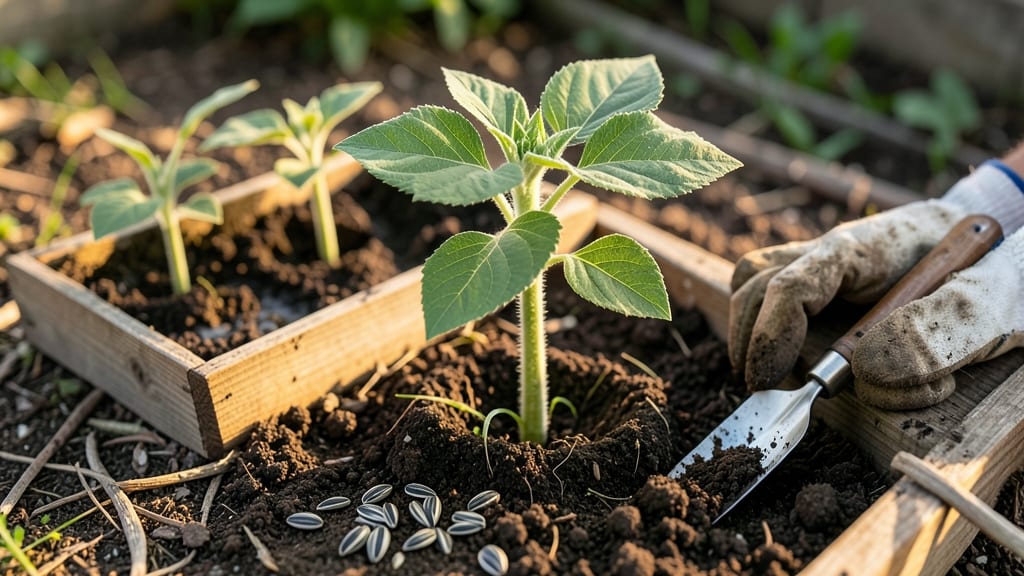
Planting sunflowers in Florida isn’t just about grabbing seeds and sticking them in the ground—it’s about timing them just right to beat the heat and humidity.
With year-round growing potential but only two sweet spots for peak blooms, knowing when to plant is the key to those towering 🌻 giants you’ve always dreamed of.
Most Floridians assume sunflowers can be planted anytime, but the truth is, late winter to early spring and late summer are your golden windows. Why? Because Florida’s heat spikes in May and June can make seeds bolt too fast—or worse, wilt before they even sprout.
Let me show you exactly how to work with Florida’s climate, not against it.
Whether you’re a first-time gardener or a seasoned pro, these insights will help you avoid common mistakes like planting too early in the year or skipping the cooler months entirely.
You’ll learn which varieties handle Florida’s humidity best, how to adjust for your specific region (North vs. Central vs. South), and even how to stretch your blooming season with simple tricks.
Ready to grow sunflowers that reach for the sky instead of wilting in the heat? Let’s dive into the perfect planting schedule for Florida’s frost-free zones—so you can enjoy those cheerful faces all season long.
Florida’s sunflower planting zones: frost-free deadlines by region
Sunflowers love Florida’s warmth, but even our state has microclimates that can affect planting success. Unlike northern states, Florida rarely sees frost—but heat spikes and humidity can stress young plants. The key is planting during optimal temperature windows when soil is warm but not scorching.
Florida’s 10 heat zones (A-D) divide the state into bands based on average temperatures. While frost is rare, northern Florida (Zone A) can see light freezes in December, while South Florida (Zone D) stays balmy year-round. I’ll break down the best month-by-month planting windows for each region to maximize blooms.
🌱
| Region & Zone | Best Planting Window | Soil Temp Goal | Avoid Planting | Notes |
|---|---|---|---|---|
| North FL (A/B) | Feb 15–Mar 31 Aug 1–Sep 15 |
55–65°F | Dec–Jan (frost risk) | Use row covers for spring plantings |
| Central FL (C) | Jan 15–Apr 15 Jul 15–Sep 30 |
60–70°F | May–Jun (extreme heat) | Dwarf varieties thrive in summer |
| South FL (D) | Year-round (best: Oct–Mar) | 65–75°F | None (but avoid Jun–Jul) | Fastest growth in fall/winter |
For North Florida (Zones A/B), aim to plant sunflowers between mid-February and March to catch the spring warmth before summer’s brutal heat arrives. A second planting in early August ensures fall blooms before winter chills.
In Central Florida (Zone C), you’ve got flexibility—plant from January to April for spring blooms or July to September for fall displays.
If you’re in South Florida (Zone D), you’re in luck: sunflowers can be planted year-round. However, the best windows are October to March when temperatures are mild. Avoid planting in June and July when soil can exceed 90°F, causing seeds to rot before sprouting.
💧
Pro tip: Test your soil temperature with a seedling heat mat or dig down 2 inches—it should be at least 55°F for germination. In North Florida, use black plastic mulch to warm soil faster in early spring.
For Central and South Florida, focus on shade cloth during summer plantings to protect young seedlings from intense afternoon sun.
Sunflowers in Florida reward patience! While they’re frost-free in most areas, timing matters for bigger blooms and stronger stems. Stick to these regional deadlines, and you’ll enjoy sunflowers from spring to fall—no frost worries needed.
☀️
Sunflower varieties that thrive in Florida heat (with planting adjustments)
Florida’s year-round growing season makes sunflowers a fantastic choice, but not all varieties handle the humidity and intense heat equally. Giant sunflowers like 'Mammoth' can struggle in summer, while dwarf varieties like 'Teddy Bear' often thrive better.
Choosing the right type—and adjusting planting times—can mean the difference between a vibrant bloom and a wilted disappointment.
For Florida gardeners, the key is planting late summer (August-September) or early spring (February-March) to avoid the peak heat of May-July. This timing lets sunflowers establish roots before the worst humidity hits, reducing risks of fungal diseases or bolting (premature flowering).
Let’s break down the best varieties and their ideal schedules.
🌻 Florida Sunflower Planting Adjustments
If you’re growing giant sunflowers, like 'Russian Giant' or 'Autumn Beauty,' focus on late summer plantings (August). These varieties need 6-8 hours of sun daily, but Florida’s summer heat can cause them to bolt too quickly.
For dwarf varieties, such as 'Sunspot' or 'Little Becka,' spring (February-March) works well—they handle humidity better and bloom earlier, often by May or June.
Multi-branched sunflowers, like 'ProCut' or 'Teddy Bear,' are excellent for Florida because they produce multiple blooms per stem, extending your harvest window. These varieties also tolerate slightly shadier conditions (4-6 hours of sun), making them ideal for container gardening on patios or balconies where direct sun is limited.
For fall blooms, try planting dwarf or semi-dwarf varieties in late summer (July-August). They’ll bloom just in time for October-November color, avoiding the worst of the summer heat. Always pre-soak seeds for 24 hours before planting to improve germination in Florida’s fast-draining soils.
My top recommendation? Start with 'Teddy Bear' for beginner gardeners—it’s disease-resistant, compact, and blooms reliably in Florida’s climate. For bold statements, try 'Moulin Rouge', a multi-branched variety with deep red petals that thrives in late summer plantings.
Remember: Florida’s humidity is your friend for sunflowers—just water deeply and avoid overhead sprinklers to prevent fungal issues. With the right variety and timing, you’ll enjoy sunflowers blooming from spring to fall—no frost to worry about! 🌻