
Flowers
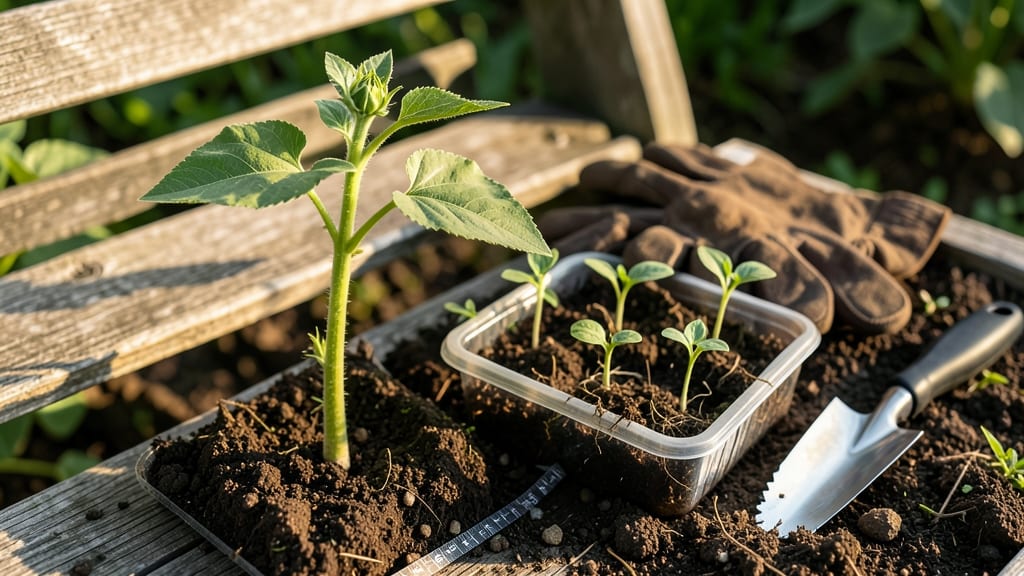
Planting sunflowers in Texas isn’t just about dropping seeds in the dirt—it’s about timing them perfectly to beat the heat and frost.
Whether you’re in North Texas or down in the Rio Grande Valley, getting those seeds in the ground at the right moment means the difference between towering 🌻 blooms and sad, wilted stalks.
Texas’s diverse climate zones—from 8a to 10b—mean your neighbors might be planting sunflowers months before or after you. In North Texas, where frost lingers until March, waiting until mid-April ensures your sunflowers avoid cold snaps.
Meanwhile, Central and South Texas gardeners can start as early as February, when soil temperatures finally warm up.
But here’s the catch: sunflowers don’t just need the right month—they need the right conditions. Soil temperature matters more than the calendar, and some varieties thrive in Texas’s brutal summer heat while others bolt too quickly.
I’ll break down the best planting windows, soil prep tips, and even which sunflower types hold up best in 100°F+ temperatures.
Ready to grow sunflowers that reach for the sky instead of wilting in the heat? Let’s dive into the exact timing, tools, and tricks to make your Texas garden a sunflower success story.
Texas heat zones explained: best planting windows by region
Texas’s diverse heat zones (8a-10a) create unique challenges—and opportunities—for growing sunflowers 🌻. In Zone 8a (North Texas), late frosts can linger until mid-March, while Zone 10a (South Texas) enjoys frost-free winters. Understanding these differences ensures your sunflowers thrive without bolting too early or struggling in summer heat.
Sunflowers love Texas’s long growing season, but timing matters. Plant too early in cooler zones, and frost will kill seedlings. Plant too late in hotter regions, and extreme summer heat can stunt growth.
The key? Align planting with soil warmth (50°F+) and last frost dates—while accounting for microclimates like urban heat islands or shaded backyard spots.
Below is your region-specific planting guide, including USDA zone breakdowns, ideal months, and microclimate tips to maximize blooms. Whether you’re in El Paso (Zone 8a) or Houston (Zone 9a), this table helps you pick the perfect window for direct sowing or transplanting sunflower seeds.
| USDA Zone | Region Examples | Last Frost Date | Best Planting Window | Soil Temp for Planting | Microclimate Tip |
|---|---|---|---|---|---|
| 8a | El Paso, Amarillo, Lubbock | Feb 15 - Mar 15 | Mid-March to early April | 50°F+ (10°C) | Use black plastic mulch to warm soil faster in high-desert areas. |
| 8b | Abilene, Waco, San Angelo | Feb 1 - Mar 1 | Late February to mid-April | 50°F+ (10°C) | Avoid low-lying areas where frost lingers longer. |
| 9a | Austin, San Antonio, College Station | Jan 15 - Feb 15 | February to early April | 55°F+ (13°C) | Urban areas stay 5-10°F warmer—plant 2 weeks earlier if possible. |
| 9b | Dallas, Fort Worth, Tyler | Jan 1 - Feb 1 | Late January to March | 55°F+ (13°C) | Use shade cloth (30%) for seedlings in summer heat. |
| 10a | Houston, Corpus Christi, Brownsville | Dec 15 - Jan 15 | January to February | 60°F+ (16°C) | Plant dwarf varieties like ‘Teddy Bear’ to avoid hurricane damage. |
For North Texas (Zones 8a-8b), aim to plant after March 1st
Sunflower varieties for Texas climates: fast-growing vs. tall types
Texas’s scorching summers and short growing seasons demand the right sunflower varieties to thrive. Fast-growing dwarf types like 'Moulin Rouge' (50-60 days) are perfect for North Texas, while tall giants like 'Russian Giant' (120+ days) dominate South Texas gardens.
Choosing the right variety ensures vibrant blooms and drought resistance—critical for Texas’s 100°F+ heat.
Hybrid sunflowers often outperform heirlooms in Texas’s extreme heat, offering heat tolerance and faster maturity. For example, 'Autumn Beauty' (60-70 days) thrives in Central Texas, while 'ProCut Hybrid' (70-80 days) is ideal for commercial cut-flower production in East Texas.
Seed-starting indoors 4-6 weeks before your last frost date can give these varieties a head start against Texas’s long summers.
| Variety | Days to Maturity | Height | Heat Tolerance | Best for Texas Region |
|---|---|---|---|---|
| Moulin Rouge | 50-60 | 3-4 ft | High | North/Central |
| Russian Giant | 120-140 | 12-15 ft | Moderate | South/Central |
| Autumn Beauty | 60-70 | 5-6 ft | High | Central/East |
| ProCut Hybrid | 70-80 | 6-8 ft | Very High | East/South |
| Teddy Bear | 45-55 | 1-2 ft | High | North/East |
For fastest results, opt for dwarf varieties like 'Teddy Bear' (45-55 days), which bloom quickly and handle Texas’s short growing seasons in North Texas. These compact types also work well for container gardening, making them perfect for urban balconies in cities like Austin or Dallas.
Meanwhile, tall varieties like 'Russian Giant' need sturdy stakes or windbreaks to avoid toppling in South Texas’s strong summer winds.
To maximize seedling success, start seeds indoors in early March for North Texas or late February for South Texas. Use well-draining soil with 50% perlite to prevent root rot in Texas’s intense heat.
Transplant outdoors after the last frost date, spacing seeds 6 inches apart and thinning to 12-24 inches at maturity. Mulch with straw or wood chips to retain moisture and cool roots during 100°F+ days.
If you’re aiming for fall blooms, try a second planting in early July with fast-maturing varieties like 'Moulin Rouge'. These late-season sunflowers will bolt quickly in Texas’s short-day conditions, ensuring colorful autumn gardens before the first frost.
Pair them with drought-tolerant companions like lantana or black-eyed Susans to create a low-maintenance pollinator haven.
Remember, Texas sunflow