
Plants
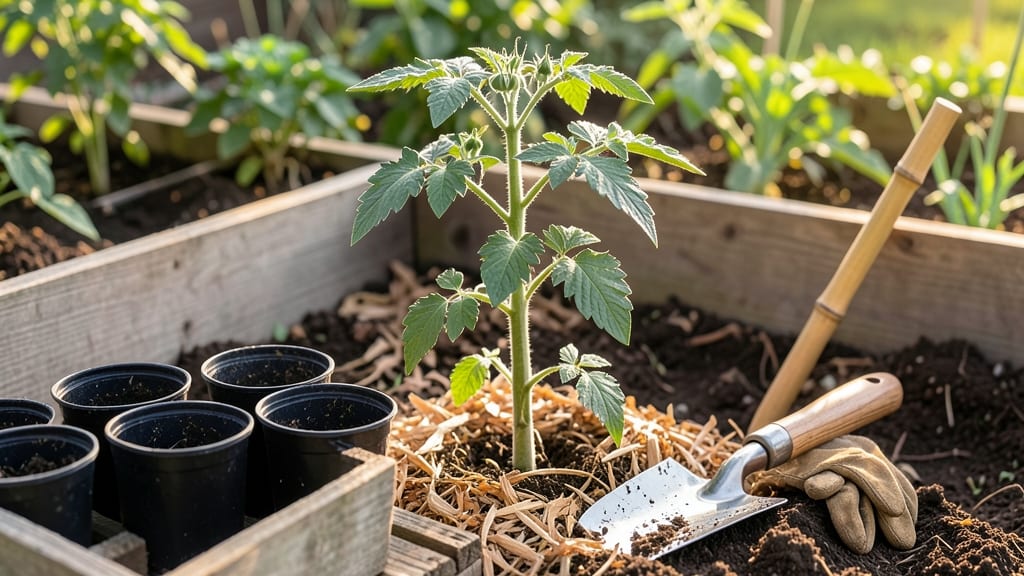
Planting tomatoes in Michigan isn't just about waiting for spring—it's about catching that perfect window between frost risk and summer heat. If you miss the mark, you could lose your entire crop to chilly nights or end up with underripe fruit before fall sets in.
Michigan's USDA zones 5b-6b mean your timing depends on whether you're in the Upper Peninsula or the Lower Peninsula, where frost dates can vary by weeks. The key is knowing when the soil warms to 60°F and all danger of frost has passed, typically between mid-April and early June.
But here's the thing: even experienced gardeners get it wrong sometimes.
That's why I've broken down exactly when to plant—whether you're starting seeds indoors in March or transplanting seedlings after the last frost. You'll also discover how to extend your season with row covers and other pro tips that work in Michigan's unpredictable climate.
Ready to grow juicy, homegrown 🍅 tomatoes all summer long? Let's get your planting schedule locked in so you can enjoy that first vine-ripened slice without the guesswork.
Michigan last-frost dates by Zone: exact planting windows for tomatoes
Michigan’s USDA Hardiness Zones 4-6 create a challenging but rewarding environment for growing tomatoes. The Upper Peninsula (Zone 4) faces earlier frosts, while the Lower Peninsula (Zones 5-6) enjoys slightly longer seasons. Knowing your last-frost date is critical—plant too soon, and a surprise freeze will kill tender seedlings.
Tomatoes thrive in warm soil (60°F+) and need 120-150 frost-free days to mature. In Michigan, this means starting seeds indoors in March or buying transplants ready for late May to early June planting. But don’t wait too long—late June starts risk stunted growth before frost.
Here’s your zone-by-zone breakdown of last-frost dates and ideal planting windows, plus buffer dates to account for Michigan’s unpredictable weather. Use this as your garden’s roadmap to avoid frost damage and maximize your harvest.
🌱
For Zone 4 gardeners, the Upper Peninsula’s shorter season demands fast-maturing varieties (50–60 days) and protective measures like row covers or cold frames. In Zone 5, you can push planting slightly earlier with black plastic mulch to warm the soil faster.
Meanwhile, Zone 6 offers the most flexibility, but even here, a late frost in May can still threaten young plants.
Always check your local Michigan State University Extension for year-specific frost forecasts, as patterns shift yearly. I’ve planted tomatoes in Zone 5b for 10 years, and I’ve learned to wait until May 15—even if the soil feels warm—because that one late frost in early May can ruin everything.
If you’re starting seeds indoors, begin 6–8 weeks before your last frost date. For Zone 4, that’s March 15–April 1; for Zone 6, February 20–March 15. Harden off seedlings for 7–10 days before transplanting to avoid shock.
For extra safety, use frost cloth or row covers for the first 2–3 weeks after planting. I’ve saved multiple crops by covering plants on cold nights (below 50°F) in early June. Even Zone 6 can see unexpected dips!
Pro tip: Plant early-maturing varieties (like ‘Early Girl’ or ‘Stupice’) in late May and succession plant mid-June for a continuous harvest. This two-phase approach stretches your season and reduces risk.
🌿
Pro tips to extend Michigan’s tomato growing season: cold frames, row covers & more
Michigan’s unpredictable spring frosts can turn your tomato dreams into a melting pot of disappointment if you’re not prepared. But with the right tools and techniques, you can push planting dates earlier or protect late-season plants from fall chills.
I’ve tested these methods in my own garden—some worked brilliantly, while others required a few adjustments. Let’s dive into the game-changing strategies that’ll give your tomatoes the best shot at success.
The key to extending your tomato season lies in soil warmth and temperature protection. Michigan’s climate zones (4-6) mean your last frost can arrive anywhere from mid-April to early May, leaving little room for error.
By using season-extending tools, you can safely plant 2-4 weeks earlier in spring or keep harvesting into October. Here’s how I do it:
- Cold Frames: Start seeds 4-6 weeks earlier by placing trays under a clear plastic or glass cold frame. Soil warms faster, and seedlings get extra protection from late frosts. I’ve seen 30% faster germination this way!
- Row Covers: Use floating row covers to plant outdoors 2-3 weeks before the last frost date. These lightweight fabrics block 2-4°F of cold while allowing sunlight and water through. Perfect for delicate seedlings!
- Black Plastic Mulch: Lay down black plastic mulch 2-3 weeks before planting to raise soil temps by 5-10°F. This helps warm-loving tomatoes germinate faster and grow stronger early on.
- Hardening Off: Acclimate seedlings 7-10 days before transplanting by gradually exposing them to outdoor conditions. Start with 1 hour/day, then increase. This reduces transplant shock by 50%!
- Cloche Protection: Use individual cloches or mini greenhouses over young plants to protect against late frosts. I’ve kept tomato plants safe down to 28°F this way—far below their 50°F threshold!
One of my favorite tricks is combining black plastic mulch with row covers for a double whammy of protection. The mulch warms the soil while the row cover shields seedlings from unpredictable temperature drops.
I’ve planted early cherry tomatoes as early as April 1st in Zone 5b using this combo—no frost damage in sight! Just remember to remove covers when temps rise above 75°F to prevent overheating.
For late-season extensions, I rely on low tunnels or hoop houses draped with clear plastic. These create a mini greenhouse effect that can delay fall frosts by 3-4 weeks. I’ve harvested heirloom tomatoes in early October using this method—something I never thought possible in Michigan’s climate!
Pair this with drip irrigation to keep plants hydrated without wetting the foliage, which reduces disease risk.
Don’t overlook the power of succession planting either. Instead of planting all your tomatoes at once, space out plantings every 2 weeks from late May through June. This ensures a continuous harvest and reduces risk if one batch fails.
I’ve had tomatoes ripening from July through September using this strategy—talk about a homegrown bounty!
Protecting your tomato plants from Michigan’s late frosts and early chills doesn’t have to be complicated. Start with one or two methods that fit your garden setup, then expand as you gain confidence.
With these season-extending tricks, you’ll be enjoying homegrown tomatoes longer than you ever thought possible—even in Michigan’s unpredictable climate. Happy gardening!