
Plants
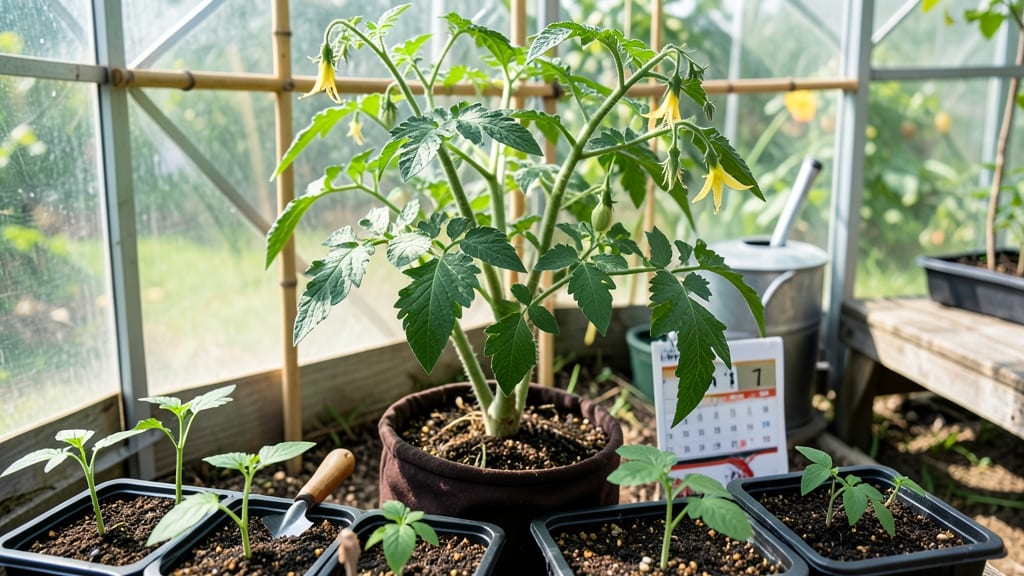
Planting tomato plants in a greenhouse isn’t just about sticking seeds in soil—it’s about unlocking a year-round harvest with the right timing. Too early, and your seedlings stretch awkwardly toward weak light; too late, and you miss the sweet spot for 60–90-day maturity.
The key? Starting 6–8 weeks before your last frost date—or whenever you’re ready to transplant—gives your 🍅 plants the head start they need to thrive in controlled warmth.
Here’s the game-changer: a greenhouse lets you bypass outdoor limitations. While gardeners outside wait for soil to warm, you can kick off seed-starting in January or February for early spring harvests—or even push into fall for a second crop.
No frost to worry about means no rushed planting; just consistent conditions tailored to your tomatoes’ needs.
But timing isn’t just about dates—it’s about microclimates. A heated greenhouse? You might start earlier. Humidity issues? Adjust spacing to avoid disease. I’ll break down how to sync your planting schedule with your greenhouse’s unique setup, so you avoid the pitfalls of leggy seedlings or stunted growth.
Ready to turn your greenhouse into a tomato powerhouse? Let’s dive into the exact weeks, varieties, and care steps that’ll have you picking ripe tomatoes months ahead of outdoor gardeners. Your first harvest could be just 8 weeks away—if you start right.
Optimal greenhouse tomato planting schedule by climate zone
Greenhouses let you grow tomatoes year-round, but timing still matters for strong plants and early harvests. Unlike outdoor gardens, you can plant 6-8 weeks before your last frost date—or even earlier—thanks to controlled temperatures and humidity.
The key is matching your USDA zone with the right variety and greenhouse setup.
For USDA zones 5-7, start seeds indoors 8 weeks before last frost (typically late February to early March) to transplant into the greenhouse by late April or early May.
In zones 8-10, you can plant year-round, but aim for early spring (January-February) for summer harvests and late summer (August-September) for fall/winter crops.
Greenhouses extend your season by 4-6 months compared to outdoor planting. This means you can grow early varieties (60-70 days to harvest) like 'Early Girl' or 'Stupice' alongside late varieties (80-90 days) like 'Brandywine' or 'Cherokee Purple' simultaneously. The trick is staggering plantings every 2-3 weeks for continuous harvests.
Here’s how to adjust your schedule based on your greenhouse type and climate zone. Use this table to pinpoint your ideal planting window:
If you’re buying transplants instead of starting seeds, adjust your timeline by 4-6 weeks earlier. For example, in zone 6, purchase young plants in mid-March to transplant by early April. This cuts down on seed-starting hassles while still giving you a head start on the season.
Greenhouses in cooler zones (5-7) benefit from heated benches or row covers to maintain 70-85°F soil temps. In warmer zones (8-10), focus on shade cloth and ventilation to prevent heat stress. Both extremes can delay germination or stunt growth if not managed properly.
Pro tip: Use grow lights in winter to supplement natural light, especially in northern zones (5-6). Aim for 14-16 hours of light daily to prevent leggy seedlings. Without enough light, your tomatoes will grow tall and weak, leading to fewer fruits and slower harvests.
For determinate varieties (bush tomatoes), plant 2-3 weeks earlier than indeterminate types. Determinates like 'Roma' or 'Patio' mature faster and are ideal for early spring or fall harvests.
Indeterminate varieties (like 'Sungold' or 'Beefsteak') need more time to establish and should be planted 2-3 weeks later for a longer harvest window.
Don’t forget to harden off seedlings before transplanting, even in a greenhouse. Acclimate them to outdoor temperatures (if using a cold frame) or greenhouse fluctuations by placing them outside for 1-2 hours daily for 7-10 days before final planting. This step reduces shock and boosts survival rates.
With the right schedule, your greenhouse tomatoes can produce year-round harvests—even in cold climates. Start with the zone-specific timeline above, then fine-tune based on your greenhouse setup and variety choices for maximum success. Happy growing! 🌱
How to adjust planting time for greenhouse-specific conditions
Greenhouses create unique growing conditions that let you extend tomato seasons beyond traditional outdoor windows. Unlike open gardens, your greenhouse’s microclimate—warmer temps, controlled humidity, and extended daylight—means you can plant earlier in spring and later in fall without frost risk.
For example, in USDA Zone 6, I start seeds indoors in mid-February for a May transplant, shaving weeks off the outdoor schedule.
The key is adjusting your planting timeline based on your greenhouse’s capabilities. A heated greenhouse with supplemental lighting? You can start seeds in January for a March harvest.
No heat? Wait until late March to avoid cold snaps. The goal is to align your planting with the greenhouse’s optimal temperature range (70–85°F) and light availability.
⚠️ WARNING: Common Mistakes That Delay Harvests
Ignoring humidity spikes can cause fungal issues like blight. Use a ventilation system or dehumidifier to keep levels between 40–60%. My first greenhouse season failed because I skipped this step!
Skipping light supplementation in winter leads to leggy, weak seedlings. If natural light drops below 12 hours/day, add grow lights for 14–16 hours of total light. Without this, my cherry tomatoes took 2 weeks longer to fruit.
Your greenhouse’s heating system is another critical factor. If your structure has automatic heaters, you can start seeds 4–6 weeks earlier than outdoor guidelines.
For instance, in Zone 5, I begin tomato seeds in late January with a propane heater, ensuring they’re ready for transplant by early April. Without heat, I’d wait until March 1st to avoid cold damage.
Humidity control also shifts planting timing. In arid climates, greenhouses trap moisture, allowing earlier starts. But in humid zones, you may need to delay planting until after the rainy season to prevent powdery mildew.
I once planted too early in Florida’s humidity and lost half my seedlings—now I wait until mid-April for better airflow.
Light supplementation can double your growing season. With LED grow lights, I’ve grown tomatoes year-round in my unheated greenhouse. Start seeds under lights in December for a February harvest, then repeat in August for a fall crop.
The trick is maintaining 14–16 hours of light/day to mimic summer conditions.
Finally, troubleshoot delayed germination by ensuring seedling trays stay at 70–80°F. Use a seedling heat mat if your greenhouse runs cooler at night. I once had only 20% germination because my greenhouse dipped to 60°F—adding a mat fixed the issue.
Adjust your planting timeline to account for these temperature fluctuations.