
Flowers
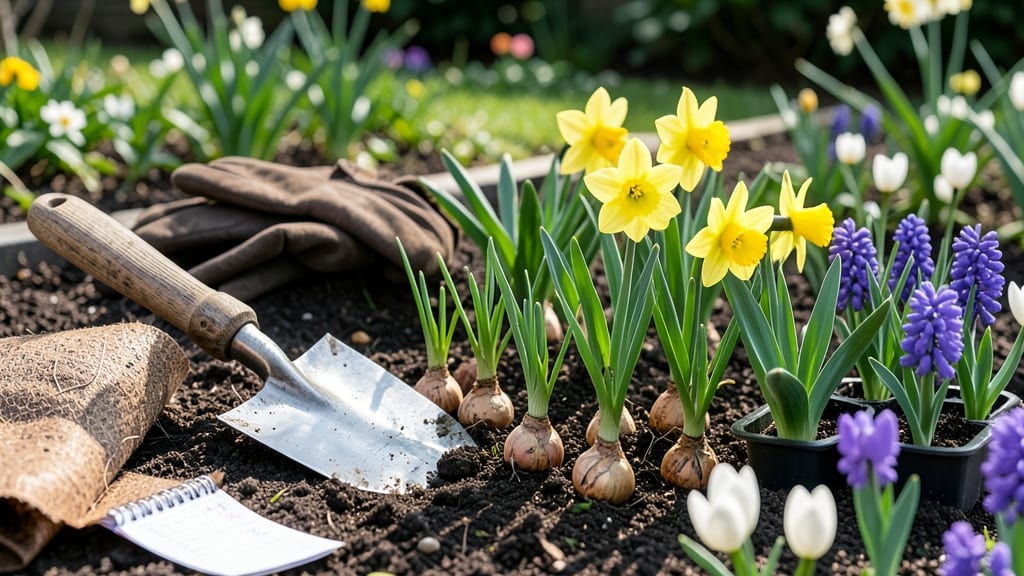
Planting your spring flowers at the perfect time can mean the difference between a vibrant garden bursting with color and a sad, frost-nipped disappointment. The right moment to plant depends on your hardiness zone, and knowing when to start ensures your 🌸 flowers thrive from the get-go.
For most gardeners in Zone 6a, like me, the ideal window opens after the last frost date—typically late April to early May. But timing isn’t just about the calendar; it’s about soil temperature and local microclimates too.
A little preparation now saves you from common mistakes like planting too early and risking frost damage or waiting too late and missing peak bloom season.
In this guide, I’ll break down everything you need to know: how to calculate your frost-free date, which flowers to plant early vs. late spring, and even how to extend your blooming season.
Whether you’re a beginner or a seasoned gardener, these tips will help you create a stunning display that lasts all summer long.
Ready to get started? Let’s dive into the secrets of planting your spring flowers for maximum beauty and minimal stress—because every gardener deserves a garden they love.
Spring flower planting timeline by US hardiness Zones
Timing your spring flower planting is like catching a wave—too early and you'll get burned by frost, too late and you'll miss the perfect bloom window. The USDA hardiness zones (3-10) help predict your last frost date, but regional microclimates can shift that window by weeks.
Northern gardeners in Zones 3-5 often wait until late May, while Southern gardeners in Zones 8-10 may plant as early as February. Let's break it down by zone so you can plant with confidence.
For most gardeners, the golden rule is: plant after the last frost date when soil temperatures reach at least 60°F (15°C). But bulbs like tulips and daffodils need a different approach—they should be planted in fall for spring blooms.
Annuals like marigolds and zinnias thrive when planted after all danger of frost has passed, while perennials often need a head start in early spring. Your zone determines when to start seeds indoors too!
Here's a quick reference for your region. Use this comparison table to find your ideal planting window, then adjust based on your local frost history. Pro tip: Add row covers or use greenhouses to extend your planting season in colder zones.
In Zones 3-4, where winters are long and frosts linger, focus on cold-hardy annuals like pansies and snapdragons that can handle light frosts. Start these 4-6 weeks before your last frost date indoors for early blooms.
For Zones 5-6, you'll have a broader window—plant hardy perennials like coneflowers and black-eyed Susans in early spring, then follow with heat-loving annuals like marigolds after the last frost.
Southern gardeners in Zones 7-10 enjoy longer growing seasons. Here, you can plant warm-season flowers like zinnias and cosmos as early as February. But don't overlook spring-blooming bulbs—even in warm zones, they need a cool period to flower.
Plant tulips and daffodils in fall (November-December) for stunning spring displays. Pro tip: In Zone 10, some flowers like petunias can even be planted year-round!
Regional variations matter too. In the Pacific Northwest, coastal areas (like Zone 8 Seattle) may have later frosts than inland Zone 5 Spokane. Check your local frost history—tools like the National Oceanic and Atmospheric Administration (NOAA) website can provide precise data.
If you're unsure, use frost cloth to protect tender plants until temperatures stabilize.
How to calculate your local frost-free date for perfect timing
Finding your local frost-free date is the secret to planting spring flowers at the perfect time. This date marks when the average last frost of spring occurs in your area—after which it's safe to plant tender flowers without worrying about frost damage.
Without this knowledge, you might plant pansies or marigolds too early and watch them wilt overnight.
Your hardiness zone provides a starting point, but local microclimates—like valleys, slopes, or urban heat islands—can shift your frost-free date by 1-3 weeks. For example, a south-facing slope warms faster than a shaded low spot.
By calculating your exact date, you'll align planting with your garden's unique conditions, ensuring longer bloom seasons and healthier plants.
Here's how to pinpoint your frost-free date using reliable methods:
Once you've calculated your frost-free date, add 2-4 weeks to it for planting warm-season annuals like marigolds or zinnias. These flowers need consistent warmth to germinate and thrive. For example, if your frost-free date is May 1, wait until late May or early June to plant heat-loving flowers.
Pro tip: Keep a gardening journal to track your local frost dates over the years. Note when late frosts occur—these can happen even after your average frost-free date. Adjust your planting schedule each year based on your observations to stay ahead of Mother Nature's surprises.
With your frost-free date in hand, you'll never miss the perfect window to plant spring flowers again. Happy gardening!