
Flowers
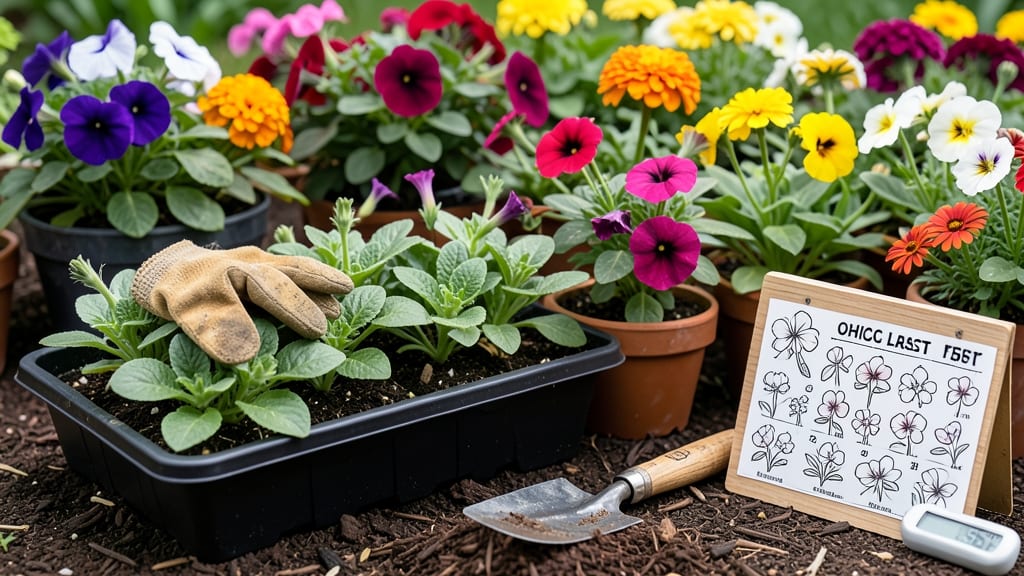
Planting your 🌸 flowers in Ohio at when is it safe to plant flowers in Ohio the wrong time can mean the difference between a vibrant garden and a sad pile of frozen petals.
The last frost date—typically around April 15—is your best guide, but Ohio’s unpredictable weather means you can’t just set a calendar and forget it.
Whether you’re in USDA Zone 6a or a warmer southern county, getting the timing right ensures your blooms thrive. I’ll break down exactly when to plant, how to spot safe conditions (like blooming crocuses), and what to do if Mother Nature throws a curveball.
You’ll also discover which flowers are tough enough for early planting and which need to wait until the soil warms up. Let’s make sure your garden gets off to the best possible start—no frostbite required!
From soil temperature tricks to county-specific frost maps, I’ve got the insights you need to plant with confidence. Ready to turn your Ohio garden into a blooming success?
Ohio’s frost-free dates by county: when to plant flowers safely
Ohio’s diverse geography means last spring frost dates can vary by three weeks from southern to northern counties. In southern Ohio (like Athens or Vinton), gardeners often see frost-free conditions by mid-April, while northwest Ohio (like Defiance or Wood) may wait until early May.
These differences matter—planting marigolds or petunias too soon in colder zones risks frost damage, while late bloomers like cosmos thrive with delayed starts.
To simplify, Ohio’s USDA hardiness zones range from 5b (north) to 6b (south). Zones 5b-6a (e.g., Columbus, Cleveland) typically align with late April frost-free dates, while zone 6b (Cincinnati, Dayton) can start planting by early April.
Always check your county’s 30-year average, but remember: weather patterns shift—last year’s safe date may not apply this year.
Pro Tip: Use crocus blooms as nature’s frost predictor. When these hardy flowers pop up in early spring, it’s a sign hard frosts are unlikely. Pair this with soil thermometers—wait until soil temps hit 50°F+ for warm-season flowers like zinnias or sunflowers.
For urban gardeners, microclimates add complexity. A south-facing wall in Cincinnati might warm up 1-2 weeks earlier than open fields, while valleys in Appalachian Ohio can hold frost longer.
Use local weather apps (like NOAA’s Frost/Freeze Forecast) and set calendar reminders for your county’s historical averages—but always verify with real-time data.
If you’re planting perennials (like coneflowers or black-eyed Susans), divide your garden into early, mid, and late sections. Start cool-season flowers (pansies, snapdragons) in March in southern zones, then transition to warm-season blooms (zinnias, cosmos) after May 1 statewide. This staggered approach ensures continuous color all summer.
Don’t forget fall planting! Many annuals (like marigolds) and perennials (like <
How to adjust planting times for Ohio’s unpredictable weather patterns
Ohio’s weather can shift faster than a summer thunderstorm—one day it’s 60°F and sunny, the next it’s 32°F with frost. To protect your flowers, I’ve learned to use a mix of frost cloth, microclimate awareness, and local weather tools.
These strategies help me extend the growing season by 2-4 weeks without risking frost damage.
First, I always check the National Weather Service’s frost advisory for my specific county. Southern Ohio (like Chillicothe) often sees safe planting by mid-April, while northern areas (like Toledo) may wait until late May.
But don’t rely solely on dates—watch for crocus blooms, a sure sign spring has arrived.
🌱Key Takeaway:
🌿 Where: Urban areas (warmer) plant 1-2 weeks earlier than rural zones
⚠️ Watch for: Frost cloth for warm-season flowers (tomatoes, petunias) until May 15
For urban gardens, I’ve noticed microclimates make a huge difference. Pavement and buildings trap heat, so my balcony in Columbus warms up faster than my rural cousin’s farm.
I plant pansies and snapdragons (cold-hardy varieties) as early as March 15 in containers, while waiting until April 30 for marigolds and zinnias in the ground.
Elevation also plays a role—higher areas like Hocking Hills get frost 1-2 weeks later than valleys. I adjust by planting perennials like coneflowers in early April and covering them with frost cloth until late May. For warm-season flowers, I use black plastic mulch to warm the soil faster.
Don’t forget to monitor local weather apps like Weather Underground or your smart sprinkler system. Set alerts for frost warnings and have frost cloth ready. I’ve saved entire beds of petunias by covering them the night before a late-May frost—they bounced back with full blooms within weeks.
Finally, choose cold-tolerant flowers like pansies, violas, and sweet alyssum for early planting. These thrive in 40°F soil and give you color weeks before frost-sensitive varieties. For warm-season bloomers, start seeds indoors in March and transplant after May 15.