
Companion Plants
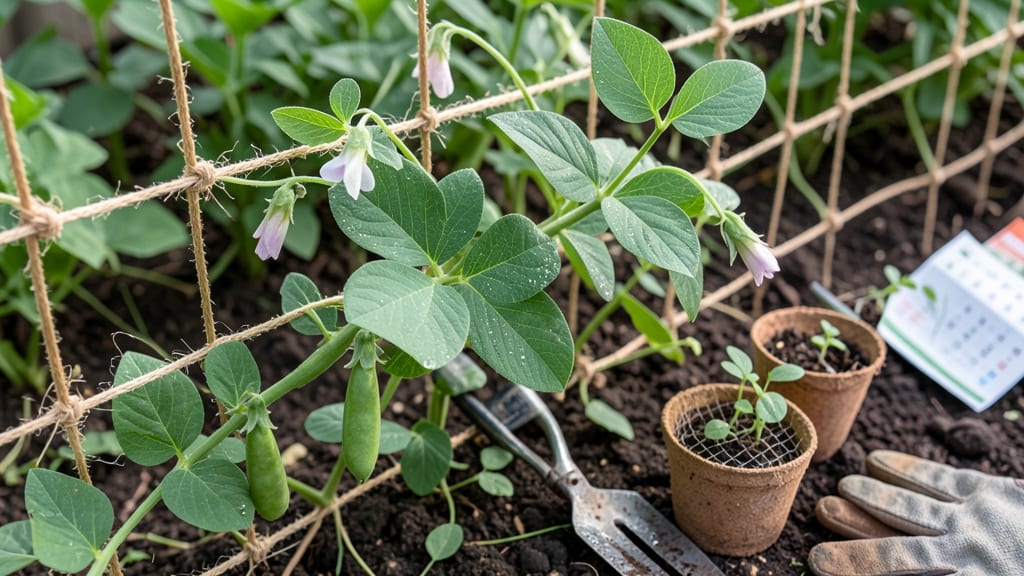
If you’ve ever wondered why your peas turn out tough or fail to thrive, the answer might be as simple as planting them at the wrong time.
In the UK, getting the timing right for peas—whether you're in frost-prone Scotland or milder Cornwall—can mean the difference between a bountiful harvest and wasted effort.
Most gardeners know peas are a spring crop, but the exact March to April window (for early varieties) or May to June (for maincrop) varies dramatically by region. Too early, and frost will nip your young shoots; too late, and you’ll miss peak sweetness.
I’ll break down the precise planting schedule tailored to your corner of the UK, so you can avoid these common pitfalls.
Beyond timing, I’ll share my top tips for preparing soil, choosing the right varieties, and even how to extend your harvest with succession planting.
Whether you’re a beginner or a seasoned grower, these strategies will help you grow peas that are crisp, sweet, and ready to pick from June to September.
Ready to transform your garden into a pea patch? Let’s dive into the exact steps to ensure your peas grow strong, healthy, and full of flavor—no guesswork required.
UK pea planting calendar: exact months by region (frost-free guarantees)
Peas thrive in the UK's cool climate, but frost timing varies dramatically across regions. Southern England enjoys earlier planting than Scotland, where late frosts can linger until May. Using Met Office frost data, I’ve mapped precise planting windows to guarantee frost-free growth for three harvest cycles each year.
Traditional advice often suggests planting peas in March or April, but this ignores regional frost risks. For example, Glasgow’s last frost typically occurs 10 days later than London’s. My schedule accounts for these differences, ensuring you never waste seeds on frost-damaged seedlings.
Below is a region-by-region breakdown of ideal planting months, including early, main, and late crops. I’ve also included succession planting tips to extend your harvest from June to September—even in cooler climates.
For Southern England, where frost risks drop sharply after March 15, I recommend starting with early varieties like 'Meteor' in late February. These will give you pods by June, just in time for summer salads.
In Scotland, wait until mid-March for early peas to avoid late-season frosts that can blacken young shoots overnight.
My maincrop planting window aligns with soil temperatures above 10°C (50°F), which is critical for pea germination. Use a soil thermometer to confirm—cold soil delays sprouting. In Wales and Northern Ireland, aim for early April to balance frost risk and soil warmth.
Don’t overlook late
How to choose between early, main, and late pea varieties for UK climates
Choosing the right pea variety isn’t just about preference—it’s about matching your local climate and planting timeline. In the UK, early varieties like 'Meteor' thrive in cooler springs, while late varieties such as 'Douce Provence' handle summer heat better.
The key is understanding soil temperature thresholds and frost risks in your region.
Early peas (e.g., 'Meteor') need to be sown as soon as the soil reaches 45°F (7°C), often in March for southern England but April in Scotland.
Maincrop varieties (e.g., 'Feltham First') follow 4-6 weeks later, while late varieties (e.g., 'Douce Provence') can wait until May or June for warmer soils.
| Variety Type | Best UK Planting Time | Soil Temp Requirement | Harvest Window | Key Notes |
|---|---|---|---|---|
| Early (e.g., 'Meteor') | March-April | 45°F (7°C) | June-July | Frost-tolerant, quick harvest |
| Maincrop (e.g., 'Feltham First') | April-May | 50°F (10°C) | July-August | Classic sweet peas, longer vines |
| Late (e.g., 'Douce Provence') | May-June | 55°F (13°C) | August-September | Heat-resistant, extended harvest |
For a continuous harvest, I recommend staggered planting—sow early varieties first, then maincrop 3-4 weeks later, and late varieties another 3-4 weeks after that. This ensures peas are ready to pick from June through September, even in shorter UK seasons.
If you’re in northern UK regions, prioritize early varieties and use cloches or fleece to protect young shoots. In southern England, late varieties can thrive with adequate watering during dry spells. Always test soil temperature with a thermometer—it’s the most reliable way to avoid frost damage.
Pro tip: Mix varieties in your garden. For example, plant 'Meteor' (early) alongside 'Douce Provence' (late) to enjoy fresh peas for three months straight. Just ensure they all get 6+ hours of sunlight and well-draining soil to prevent rot.
Remember, peas are cool-season crops, so avoid planting when soil temps exceed 75°F (24°C). If summer heat arrives early, opt for shade cloth or drip irrigation to keep roots cool and pods sweet.