
Plants
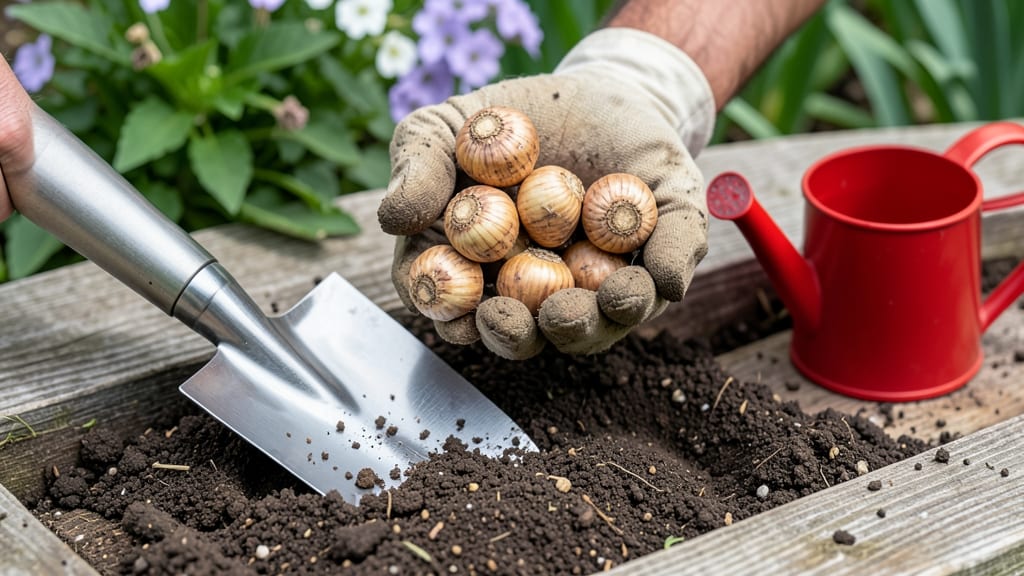
Planting gladiolus bulbs at the wrong time in North Carolina can mean the difference between stunning summer blooms and wasted effort. The key is understanding your local heat zone and avoiding those pesky late frosts that sneak in when you least expect them.
I’ve learned the hard way that waiting until the soil is consistently 60°F—usually around mid-April in most of the state—gives your gladiolus 🌱 the best start. But here’s the catch: coastal areas like Wilmington may need to wait until May, while the Piedmont can often plant earlier.
Let’s break down exactly when and how to get it right for your corner of North Carolina.
Timing isn’t just about the calendar—it’s about the ground. Cold soil slows growth, and hot soil can stress young corms. I’ll share my foolproof method for testing soil temperature and adjusting your planting schedule to match your microclimate. Trust me, these small tweaks make all the difference.
Once you’ve got the timing down, I’ll walk you through the simple post-planting care routine that keeps your gladiolus thriving all summer long. No more guesswork—just vibrant blooms that turn heads in your garden.
North Carolina heat zone planting deadlines for gladiolus bulbs
North Carolina’s USDA heat zones 5a through 8a create dramatic differences in when to plant gladiolus bulbs—some regions can start in March, while others must wait until May. The key is planting after the last frost date and when soil temperatures hit 60°F (15°C) consistently.
Gladiolus thrive in warmth but struggle with late spring frosts that can blacken emerging shoots overnight.
Your planting deadline isn’t just about the calendar—it’s about soil warmth and microclimates. Coastal areas like Wilmington (zone 8a) may plant as early as mid-March, while the mountains (zone 5a) often wait until late May.
Even within 50 miles, a valley can be 2-3 weeks earlier than a ridge due to trapped heat. Use these deadlines as guidelines, then adjust based on your yard’s specific conditions.
🌱 Pro Tip: Test soil temperature with a thermometer—gladiolus corms need 60°F (15°C) for 7+ days before planting. If your soil is colder, wait or use black plastic mulch to warm it faster.
In zone 5a (e.g., Boone or Asheville), aim for late May planting—any earlier risks frost damage to tender shoots. I’ve seen gladiolus planted in early May here only to have blackened foliage after a surprise 32°F (0°C) night in June.
For zone 8a (e.g., Wilmington or Morehead City), you can start as early as mid-March, but avoid planting before soil warms to 50°F (10°C) to prevent rot.
Your local microclimate matters more than the zone alone. A south-facing slope warms 2–3 weeks earlier than a north-facing garden.
I once planted gladiolus on a black plastic mulch bed in zone 6a (Raleigh area) in early April—soil hit 60°F (15°C) by mid-April, giving me 6 weeks of blooms before summer heat set in.
For staggered blooms, plant successive batches every 2 weeks after your initial deadline. This ensures continuous color from summer through fall. In zone 7a, I plant 3 batches: early April, mid-April, and early May.
The first batch blooms in July, the second in August, and the last in September**—just before frost.
Watch for soil moisture too—gladiolus need consistent dampness but hate waterlogged soil. In
How to adjust planting times for North Carolina’s unpredictable spring weather
North Carolina’s spring weather can swing from freezing nights to 90-degree days in weeks, leaving gardeners scrambling to protect tender gladiolus corms. The key to success lies in flexible planting strategies that account for these fluctuations.
Unlike some plants, gladiolus bulbs won’t survive frost, so extending your planting window requires proactive measures—think soil warming, frost blankets, and strategic scheduling.
I’ve learned that staggered planting is my secret weapon. Instead of planting all your corms at once, space them out over 2-3 weeks to ensure some blooms escape late frosts while others thrive in summer’s heat.
This approach also spreads out your harvest, giving you continuous color from midsummer through fall. For example, in Zone 7b, I start with 10% of my corms in early May and finish by late May.
Here’s how to make it work in your garden:
Another trick I swear by is container gardening. Fill large pots with well-draining mix and place them on patio heaters or near south-facing walls to create a warm microclimate.
This lets me plant 3-4 weeks earlier than in-ground, especially in cooler Piedmont regions. Just remember to harden off container-grown gladiolus before transplanting to the garden.
For those late-summer replantings, focus on short-day varieties like 'Picasso' or 'Black Pearl', which bloom faster in NC’s shorter fall days. Plant these in August for October-November color, using row covers to extend the season.
The trade-off? You’ll sacrifice height—these varieties max out at 3-4 feet—but the bold colors make up for it.
Finally, keep a planting journal to track what works in your specific microclimate. Note the last frost date, soil warming methods, and bloom timelines for each variety. Over time, you’ll refine your schedule to perfect your gladiolus timing, turning NC’s unpredictable spring into an advantage.
After all, a little flexibility goes a long way when Mother Nature keeps changing the rules. 🌱