
Plants
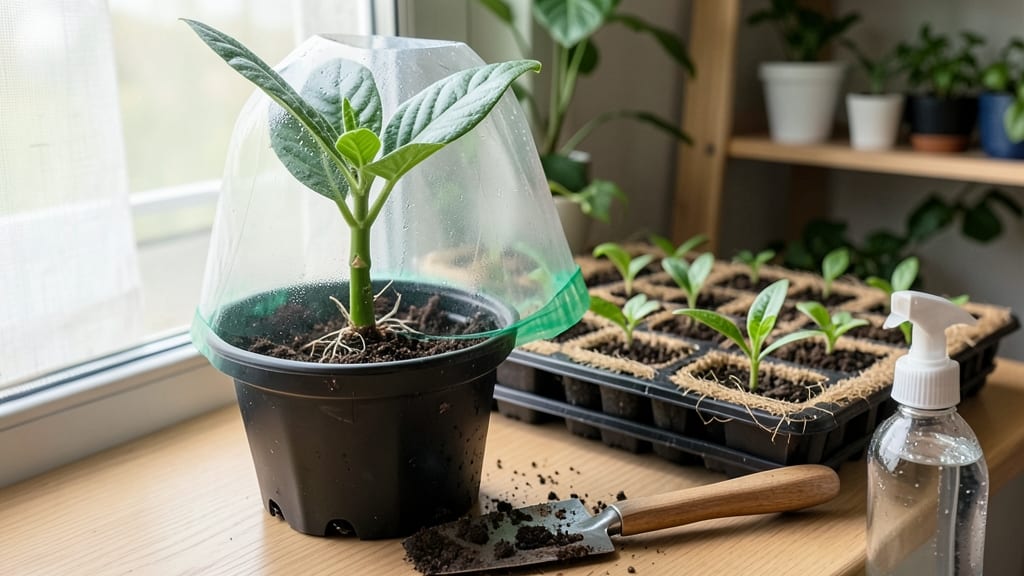
Planting an avocado seed in soil at the wrong time can mean the difference between a thriving 🥑 tree and a sad, wilted seedling.
The key to success lies in understanding your climate zone and soil temperature—because unlike most plants, avocado seeds need warmth to germinate and grow strong roots before they’re ready for dirt.
If you’re in Zone 6, the best window is late winter or early spring (March-April), when soil temperatures consistently stay above 60°F. But in warmer zones like 9b-10, you can plant year-round—just avoid frost risks.
The trick? Wait until your seedling has developed a sturdy root system (about 2-3 inches) before transplanting, or it’ll struggle to adapt.
Indoor vs. outdoor planting changes the game too. Indoor seedlings need a bright, warm spot (like a south-facing window) until they’re ready for soil, while outdoor plants can go straight into well-draining pots or garden beds once the danger of frost has passed.
The goal? Give your avocado seed the perfect start so it grows into a healthy, fruit-bearing tree—not a flop.
Ready to get it right? I’ll walk you through the exact steps, from checking soil temps to transplanting with confidence, so your avocado seed doesn’t just survive—it thrives.
Optimal planting timelines for avocado seeds by climate zone
Timing your avocado seed's transition from water to soil is critical for survival, especially since seedlings are delicate during this phase. Unlike mature trees, young avocado plants require warm soil and consistent temperatures to establish roots without stress.
In cooler zones, planting too early can stall growth or invite fungal diseases, while tropical regions allow year-round soil planting with proper care.
Your USDA climate zone dictates the best window—temperate zones (7-9) need spring planting after last frost, while subtropical (10) and tropical (11) zones can plant year-round with soil temperatures above 60°F (15°C).
Below, we break down exact months and soil temperature thresholds by zone to help you avoid common pitfalls like root shock or stunted growth.
| USDA Zone | Best Planting Window | Soil Temp Threshold | Key Considerations |
|---|---|---|---|
| Zone 7 (Temperate) | Late April–May | 65°F (18°C) minimum | Wait until nighttime temps stay above 50°F (10°C); use row covers if frost risk remains. |
| Zone 8 (Subtropical) | March–April or September–October | 60°F (15°C) minimum | Avoid summer planting—heat stress is higher; opt for spring or fall. |
| Zone 9 (Subtropical) | Year-round (best: Feb–March) | 55°F (13°C) minimum | Use shade cloth for summer transplants to reduce heat shock. |
| Zone 10 (Tropical) | Year-round (avoid monsoon season) | 50°F (10°C) minimum | Prioritize well-draining soil to prevent root rot in humid climates. |
| Zone 11 (Tropical) | Year-round (best: Dec–Feb) | 45°F (7°C) minimum | Monitor for pests like scale insects—common in warm, humid conditions. |
🌡️ Pro Tip: Use a soil thermometer to confirm temperatures before planting.
In Zones 7-8, the spring rush to plant can be tempting, but rushing leads to poor root establishment. Wait until soil temperatures consistently stay above 60°F (15°C)—this typically aligns with late April or May in most temperate regions.
For example, in Zone 7, planting in early April risks chilly nights that slow root growth, while May offers stable warmth.
For Zones 9-11, the flexibility to plant year-round is a game-changer, but avoid monsoon seasons (e.g., July–September in Zone 10) where waterlogged soil can drown roots. Instead, aim for dry, mild periods like winter (Dec–Feb) when humidity is lower.
In Zone 11, even cooler winter months (Dec–Jan) work well because soil rarely drops below 50°F (10°C).
One critical mistake gardeners make is ignoring root development before transplanting. Your avocado seed should have 2-3 inches of roots and a thickened stem (about pencil-sized) before soil planting.
If roots are sparse or mushy, delay planting—this often happens when seeds are kept in water too long. Root-bound seedlings also struggle; gently prune roots if they’re circling the container before transplanting.
Another zone-specific tip: In Zones 8-9, consider fall planting (Sept–Oct) for a <
Signs your avocado seed is ready for soil planting (not too soon!)
Transplanting your avocado seed too early can stunt its growth or even kill it. The key is waiting for clear signs of strength—like root length of at least 3-4 inches and a thickened stem.
These indicators show your seedling has developed the resilience needed to handle soil, which can be more stressful than water germination.
Start by checking the root system—healthy roots should be white or light tan, not brown or mushy. If roots are less than 2 inches or sparse, delay planting.
A single leaf or two is fine, but avoid transplanting if you see yellowing leaves, which signals stress or nutrient deficiency.
Timing matters too: spring or early summer is ideal for most climates, but USDA zones 9b-10 can plant year-round. Rush the process, and you risk root shock or fungal infections from overwatered soil.
Transplanting before your avocado seed has 3-4 inches of roots or a pencil-thick stem risks stunted growth or death. Soil stress can overwhelm young seedlings, even if they’ve sprouted leaves. Wait until roots fill the water jar 2/3 full and the stem feels firm to the touch.
Another critical sign is steady growth. If your seedling adds 1-2 inches per month and maintains dark green leaves, it’s ready. Avoid planting if growth stalls or leaves curl or drop—these are red flags for transplant shock.
For outdoor planting, wait until nighttime temperatures stay above 55°F (13°C). In pots, use a well-draining mix (60% sand, 40% potting soil) to mimic avocado’s native conditions. Skip the soil if your seedling hasn’t met the root and stem benchmarks—patience pays off!
Finally, test the soil before planting. Avocados hate soggy roots, so ensure your pot or garden bed has drainage holes. If you’re unsure, start with a small 6-inch pot to monitor your seedling’s adjustment to soil.