
Plants
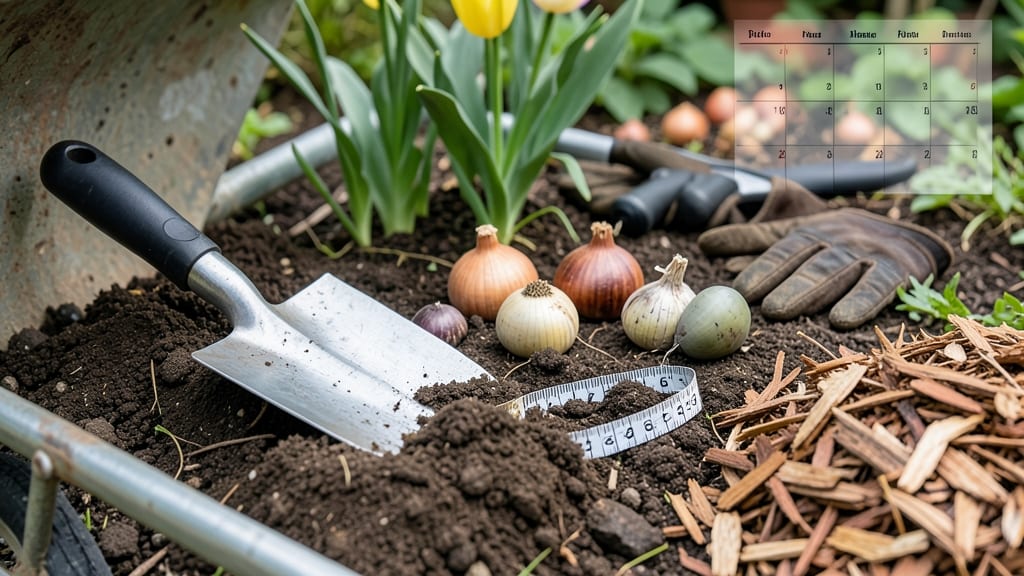
Most gardeners assume you only plant bulbs in fall, but in USDA Zones 8a-10b, that rule doesn’t always apply. The key is understanding when your local frost dates shift—and how to adjust for bulbs that need a cold snap or those that thrive in mild winters.
Let’s break it down by month, so you know exactly when to tuck those bulbs into the soil for spring blooms that steal the show. Whether you’re in Zone 8’s cooler pockets or Zone 10’s balmy corners, this guide keeps you ahead of the game.
You’ll learn the perfect window for planting, how to prep soil for Southern humidity, and which bulbs actually love the heat—no more guessing, just gorgeous gardens.
Southern bulb planting calendar: month-by-month by USDA Zone
Planting bulbs in the South isn’t as straightforward as following a one-size-fits-all fall schedule. With USDA Zones 7-10 offering mild winters and long growing seasons, timing matters to avoid heat stress or missed blooms. The key is planting when soil temps drop below 80°F but before winter rains arrive.
For spring-blooming bulbs like tulips and daffodils, aim for October-December, while fall-blooming varieties such as crocus and hyacinths can go in as late as January-February in warmer zones.
Heat-tolerant bulbs like rain lilies and spider lilies break the traditional rules—they thrive when planted in late summer or early fall (August-September) to take advantage of Southern humidity. These varieties store energy during the cooler months and burst into color just as spring warms up.
The challenge? Balancing moisture control—too much rain can rot bulbs before they establish roots.
Here’s your Southern bulb planting calendar by zone, including ideal months for classic and heat-resistant varieties:
In Zone 7, where winters are cooler, classic bulbs like tulips need to be in the ground by November to establish roots before frost. But in Zone 10, you can plant spring bulbs as late as February—just ensure soil temps stay below 70°F to prevent premature sprouting.
For heat-tolerant bulbs, the window shifts entirely: plant them in late summer so they root deeply before the first cool snap.
Don’t overlook soil preparation—Southern clay or sandy soils need amendments like compost or perlite to improve drainage. Mix in a bulb-specific fertilizer at planting for a 3x nutrient boost during dormancy.
In humid zones (8-10), add a 1-inch layer of mulch to prevent fungal issues. My favorite trick? Plant daffodils near roses—their toxic foliage deters pests!
Adjust your schedule if unseasonal rains delay planting. For example, in Zone 9, if October stays unusually wet, wait until November when soil dries slightly. Conversely, in Zone 7, early frosts might push planting to September for varieties like crocus, which bloom in late winter.
Always check your local frost dates—they’re your best friend for Southern bulb success.
For container gardening, plant bulbs in pots by October (Zones 7-8) or November (Zones 9-10). Use well-draining mix and place containers in partial shade during peak summer heat.
This works especially well for hyacinths or rain lilies, which thrive in pots and can be moved to shaded patios when blooming.
Remember: bulb size matters! Larger bulbs (like 12"+ daffodils) need deeper planting (8-10 inches) for stability, while smaller varieties (4" crocus) only require 3-4 inches of coverage. In sandy soils, add a handful of slow-release fertilizer at planting to compensate for nutrient loss.
Finally, mark your calendar for post-bloom care. After flowers fade, leave foliage until it yellows naturally—this feeds the bulb for next year’s blooms. In Zone 10, some bulbs (like spider lilies) may rebloom if given consistent moisture. For most
How to adjust planting times for extreme Southern heat and humidity
Southern summers are brutal for traditional bulbs—think 90°F+ temps and 90% humidity that turn planting into a high-stakes game. Most bulbs rot before they sprout when planted at the wrong time. The key? Adjusting your schedule based on your USDA zone and soil conditions to beat the heat.
In Zones 8-10, where winters are mild, bulbs like tulips and daffodils need a cooling period to bloom. But planting them in fall (like Northern gardeners do) often means they’ll bake in the soil. Instead, we shift to winter planting—think December to February—to avoid summer’s scorching ground.
⚠️ WARNING: Southern Planting Pitfalls ⚠️
✅ DO: Test soil moisture—if it’s dry 2 inches down, wait. Use organic mulch (straw or pine needles) to insulate roots.
❌ DON’T: Plant when soil temps exceed 80°F—use a soil thermometer to check. Avoid clay-heavy soils without amending them first.
For early spring bloomers, like crocus or hyacinths, aim for late winter (January-February). These bulbs tolerate cooler ground temps and can even handle light frosts.
In Zone 10, where frost is rare, plant rain lilies or spider lilies in late summer (August-September) to avoid the worst heat.
Shade is your secret weapon. If you’re planting late (March-April), choose morning sun spots or use dappled shade from trees. For heat-resistant bulbs like daylilies, plant them in full sun but water deeply twice weekly.
These bulbs thrive in Zones 7-11 and bloom from summer to fall, giving you color when most gardens fade.
Pro tip: Prep your soil 2-3 weeks before planting. Mix in compost and perlite to improve drainage. Southern clay soils hold too much moisture, leading to bulb rot. Aim for soil that’s 60% mineral, 30% organic matter, and 10% air.
A simple pH test (aim for 6.0-7.0) ensures nutrients are available when bulbs need them most.
With these adjustments, you can extend your blooming season and beat the Southern heat. Start with heat-tolerant varieties, time your plantings for cooler months, and always prioritize drainage. Your garden will thank you with bold, year-round color—no matter how hot it gets! 🌿☀️