
Plants
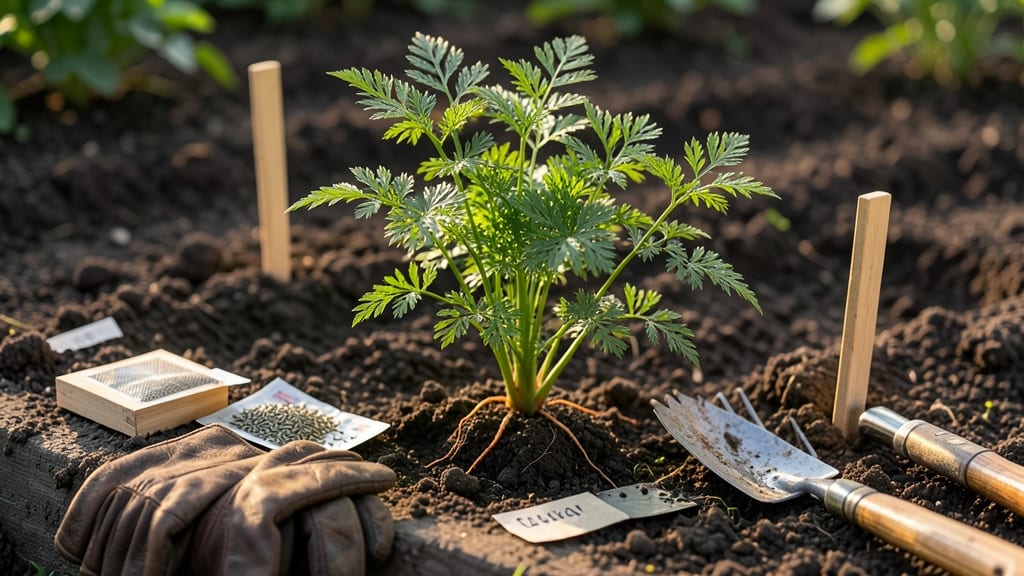
Planting carrots in Louisiana isn’t just about dropping seeds in the dirt—it’s about working with the state’s humid heat and unpredictable weather to get those sweet, crisp 🥕 roots you crave.
The wrong timing means bolting plants or pests feasting on your harvest, but get it right, and you’ll enjoy homegrown carrots from fall through spring.
Most gardeners in USDA Zones 8a-9b swear by two planting windows: late summer for fall harvests and early spring for summer crops. But Louisiana’s long growing season and high humidity demand extra care—like choosing the right varieties and preparing soil to prevent forking.
I’ll break down the exact months to plant, plus how to adjust for your specific region, whether you’re in Shreveport’s cooler climate or New Orleans’ warmer zones.
Why does this matter? Because skipping these steps could mean the difference between a bumper crop and a sad, stunted harvest. I’ve tested these methods myself, and the results speak for themselves: crisp, flavorful carrots that rival anything you’d find at the grocery store.
Let’s dive into the best planting schedule and pro tips to make your Louisiana garden a carrot lover’s dream.
From soil prep to pest control, I’ll cover everything you need to know to time your planting perfectly. Whether you’re a seasoned gardener or just starting out, these insights will help you grow carrots that are straight, sweet, and ready to harvest—just in time for your favorite fall dishes.
Louisiana carrot planting calendar: spring vs fall deadlines by region
Louisiana’s humid subtropical climate creates two ideal windows for growing crisp, sweet carrots: fall and spring. But the exact timing varies dramatically between North Louisiana’s cooler zones (like Shreveport) and South Louisiana’s warmer microclimates (like New Orleans).
Get the dates wrong, and you’ll battle bolt-prone seedlings or heat-stressed roots. Here’s your region-specific planting schedule to avoid those pitfalls.
Carrots thrive when soil temperatures stay between 60°F and 75°F—too hot or too cold, and germination suffers. In Louisiana, that means fall planting (September-October) and early spring planting (February-March) are your safest bets.
South Louisiana’s milder winters even allow winter harvests, while North Louisiana gardeners must time carefully to avoid early frost damage.
🌱
| Region | Last Frost Date | Fall Planting Window | Spring Planting Window | Soil Temp for Germination | Harvest Window |
|---|---|---|---|---|---|
| North Louisiana (Shreveport) | Feb 15 | Sep 1–Oct 15 | Feb 15–Mar 15 | 60°F–70°F | Nov–Dec (fall) / May–June (spring) |
| Central Louisiana (Baton Rouge) | Feb 1 | Aug 15–Sep 30 | Feb 1–Mar 10 | 65°F–75°F | Oct–Nov (fall) / May–July (spring) |
| South Louisiana (Lafayette) | Jan 20 | Aug 1–Sep 15 | Jan 20–Feb 20 | 68°F–72°F | Sep–Dec (fall) / Apr–Jun (spring) |
| South Louisiana (New Orleans) | Jan 10 | Jul 15–Aug 31 | Jan 10–Feb 15 | 70°F–75°F | Aug–Dec (fall) / Mar–Jul (spring) |
For North Louisiana gardeners (like those in Shreveport), aim to plant 8–10 weeks before your first frost—typically by mid-October. The cooler climate means you can push late fall harvests into December, but avoid planting after November 1, or your carrots may bolt before frost hits.
In Baton Rouge, you’ve got a slightly longer window, but still prioritize soil temperatures above 65°F to prevent slow germination.
South Louisiana’s warmer microclimates (Lafayette and New Orleans) allow for extended growing seasons. Here, you can even sow carrots in late summer (July-August) for a fall-winter harvest. However, avoid planting after September 15 in New Orleans, as summer heat (above 80°F) causes bitter, woody roots.
Pro tip: Use shade cloth if you must plant in late summer.
💧
Timing isn’t just about dates—it’s about soil conditions. Louisiana’s heavy clay soils can trap moisture, leading to forked carrots. Amend your beds with compost or sand to improve drainage, especially in North Louisiana, where soils stay wet longer.
5 Critical factors that determine your carrot planting success in Louisiana
Louisiana’s heavy clay soil and humid summers present unique challenges for growing crisp, straight carrots. Unlike northern climates, our sandy loam or clay-heavy soils require special prep to prevent forking, while carrot flies and fungal diseases thrive in our heat.
Master these five factors to grow perfect roots year after year.
First, soil texture is non-negotiable. Louisiana’s clay-heavy soils compact easily, causing carrots to fork or split. Sandy soils drain too fast, leading to stunted growth. The solution?
Amend with 2-3 inches of compost and coarse sand to create loose, well-draining beds. For raised beds, mix in peat moss or coconut coir to improve aeration.
Soil Prep for Louisiana's Heavy Clay
Test soil pH (aim for 6.0-6.8). Add gypsum (10 lbs/100 sqft) to break up clay. For sandy soil, mix in 20% compost.
Drainage Solutions for Waterlogged Spots
Raised beds with gravel bases prevent soggy soil. In-ground? Create mounds 6 inches high for better drainage. Avoid low-lying areas.
Companion Planting to Deter Pests
Plant leeks, rosemary, or thyme nearby to repel carrot flies. Avoid dill or parsley—they attract pests. Interplant with radishes to mark rows.
Raised Beds vs In-Ground Adjustments
Raised beds warm faster in spring. In-ground? Plant 2 weeks later in cooler zones (e.g., Shreveport). Use black plastic mulch to speed soil warming.
Louisiana-Specific Troubleshooting
Forked roots? Soil too compact—add sand. Yellow leaves? Overwatering—check drainage. Pests? Use row covers or neem oil.
Next, drainage is your secret weapon against Louisiana’s soggy springs. Heavy rains or poor soil structure lead to root rot or stunted growth. For in-ground planting, create raised rows 6 inches high or install French drains if your yard floods.
In raised beds, ensure they’re at least 12 inches deep with drainage holes and a gravel base.
Don’t underestimate the power of companion planting. Carrot flies are a major threat in Louisiana, and they’re drawn to freshly tilled soil. Plant leeks, rosemary, or thyme alongside your carrots—their strong scents mask the carrot scent.
Avoid planting near dill or parsley, which attract the same pests. For extra protection, use floating row covers until plants are established.
Raised beds vs in-ground planting? The choice affects your timing and success. Raised beds warm up 2-3 weeks faster in spring, letting you plant earlier. In-ground soil stays cooler, especially in North Louisiana.
If you’re planting in-ground, wait until soil reaches 60°F (use a soil thermometer!). For raised beds, you can start as early as mid-February in South Louisiana or late February in North Louisiana.
Finally, Louisiana’s humid summers mean fungal diseases like Alternaria leaf spot can wipe out your crop. Space plants 2-3 inches apart for airflow, and water at the base (not overhead). If you notice yellowing leaves, it’s often a sign of overwatering or poor drainage.
Adjust your watering schedule to 1 inch per week and mulch with straw to retain moisture without suffocating roots.
Use this troubleshooting checklist if problems arise: ☑️ Forked roots → Soil too compact; add sand ☑️ Slow growth → Soil too cold; use black plastic mulch ☑️ Pests → Add companion plants or row covers ☑️ Yellow leaves → Check drainage or reduce watering ☑️ Bolting → Plant in fall or use shade cloth in summer 🥕