
Plants
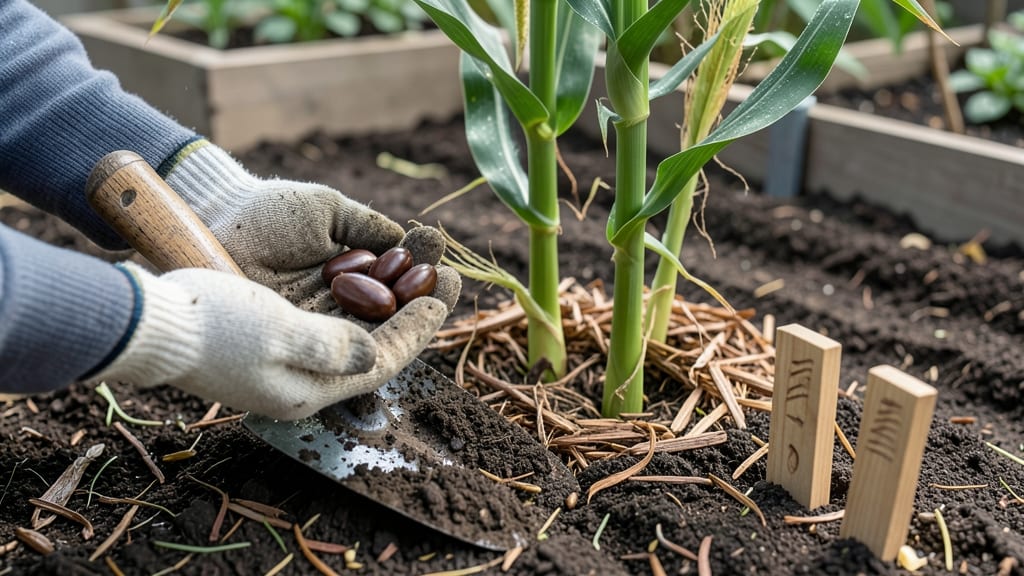
Planting corn in Illinois at the right time can make all the difference between a thriving 🌽 harvest and a disappointing one—especially when spring weather throws curveballs like last-minute frosts or unseasonably warm spells.
Most Illinois gardeners aim for mid-April to late May, but the exact timing depends on your hardiness zone (5a-6b) and soil temperature. Waiting until the ground reaches 60°F ensures strong germination, while planting too early risks frost damage.
In this guide, I’ll break down the best planting windows for Northern, Central, and Southern Illinois, plus how to adjust for weather delays. You’ll also learn which corn varieties thrive in your zone and how to prep your soil for maximum success.
Whether you’re a first-time grower or a seasoned gardener, these tips will help you time your planting perfectly—so you can enjoy fresh, homegrown corn from July through September.
Illinois corn planting dates by hardiness zone: exact timing for success
Getting your corn planting timing right in Illinois depends on your hardiness zone and soil temperature. Northern Illinois (zones 5a/5b) faces earlier frosts, while Southern Illinois (zones 7a/7b) enjoys longer growing seasons.
The key is planting when soil reaches 50°F+ for 2+ weeks and after the last frost date—typically mid-April to late May.
For Northern Illinois (5a/5b), corn thrives when planted between April 20-May 10. Warmer Central Illinois (6a/6b) can start slightly earlier (April 10-May 15), while Southern Illinois (7a/7b) has flexibility until May 20. Late planting risks shortened harvest windows and lower yields, especially for longer-maturing varieties.
Soil temperature is critical—corn seeds won’t germinate below 50°F. Use a soil thermometer to confirm readiness. In my garden, I wait until morning soil temps hit 60°F+ consistently for 5 days before planting. This ensures strong, uniform germination.
Here’s a quick reference for Illinois zones, including early, ideal, and late planting windows and their impact on yield:
| Zone | Early Planting | Ideal Planting | Late Planting | Yield Impact | Soil Temp |
|---|---|---|---|---|---|
| 5a/5b (Northern IL) | April 20 | April 25-May 10 | May 15 | ↓20-30% | 50°F+ |
| 6a/6b (Central IL) | April 10 | April 15-May 15 | May 20 | ↓10-20% | 50°F+ |
| 7a/7b (Southern IL) | April 1 | April 10-May 20 | May 25 | ↓5-10% | 50°F+ |
Planting too early in Northern Illinois risks frost damage, while late planting in Southern Illinois may reduce ear development.
For example, a 90-day variety planted on May 15 in zone 5a might not mature before frost, whereas the same variety planted in zone 7a by May 20 could still yield well.
I’ve found that short-season varieties (80-90 days) are best for Northern Illinois, while medium-season varieties (90-100 days) work well in Central and Southern zones. Always check your frost-free date—Illinois averages April 15 for last frost, but this varies yearly.
To extend your planting window, consider succession planting every 2 weeks. This ensures a continuous harvest and maximizes your garden’s productivity. For instance, planting a second batch in early June (if using fast-maturing varieties) can still yield ears before the first frost.
Monitor weather forecasts closely in spring. A late frost in May can devastate early plantings, while prolonged cool weather delays germination. In my experience, soil thermometers are worth the investment—they eliminate guesswork and help you time planting precisely.
Finally, prepare your soil in fall or early spring by adding compost and ensuring good drainage. Corn loves fertile, well-draining soil with a pH of 6.0-7.0. Amend clay-heavy soils with sand or organic matter to improve aeration and warmth absorption.
With these zone-specific guidelines, you’ll avoid common mistakes like planting too early or too late. The result? A bountiful corn harvest that rivals the best farm stands in Illinois! 🌽
How to adjust corn planting dates for Illinois weather patterns
Illinois' spring weather can be as unpredictable as a whirlwind—one day warm and sunny, the next a cold snap that lingers for weeks. If you've ever planted corn only to watch frost nip your seedlings, you know how critical timing is.
The key to success lies in flexibility and data-driven adjustments based on real-time conditions, not just calendar dates.
I’ve learned the hard way that planting too early in a cool, wet spring can lead to rot or stunted growth, while waiting too long risks shorter daylight hours that reduce ear development.
Here’s how I adapt my planting schedule to Illinois’ ever-changing weather patterns to maximize my yield every year.
Planting corn after June 1st in Illinois cuts yield by 20-30% due to shorter growing season. If you miss the ideal window, use fast-maturing varieties (80-90 days) and side-dress with nitrogen to compensate. Always check a 10-day forecast before committing to late planting.
First, I rely on a soil thermometer to confirm when the ground reaches 50°F consistently for at least 2 weeks—a critical threshold for corn germination. In my experience, this often means waiting until mid-to-late April in Northern IL (zones 5a/5b) and early April in Southern IL (zones 6a/7a).
But if the soil stays cold, I don’t hesitate to delay planting, even if it means pushing into May.
Next, I track the 10-day forecast religiously. A stretch of 50°F+ nights with no frost in sight is my green light to plant. For example, in 2022’s late spring, I held off until May 1st in Central IL after three consecutive 30°F mornings in April.
The extra patience paid off with a 35% higher yield than my neighbor who planted in early April.
For wet springs, I prioritize well-drained soil and adjust planting depth to 1.5 inches deep (instead of 1 inch) to prevent seed rot. In dry years, I plant earlier to take advantage of residual moisture and use mulch to retain soil moisture.
I’ve also started using a 3-step risk assessment for late starts:
- Variety Maturity: Choose short-season varieties (e.g., 'Early Sunglow' at 75 days) if planting after June 1st.
- Growth Stage: Ensure plants reach tasseling by August 1st to avoid frost damage.
- Soil Prep: Test for nitrogen levels and side-dress with compost to boost late-season growth.
Finally, I keep an emergency planting checklist for years when spring refuses to cooperate: ☑️ Use black plastic mulch to warm soil faster ☑️ Plant dwarf varieties (e.g., 'Golden Bantam') in containers ☑️ Extend season with row covers for early seedlings ☑️ Monitor for cutworms in delayed plantings With these strategies, I’ve turned even the most unpredictable Illinois springs into successful corn-growing seasons.
The secret? Staying flexible and letting the weather guide your timeline.