
Plants
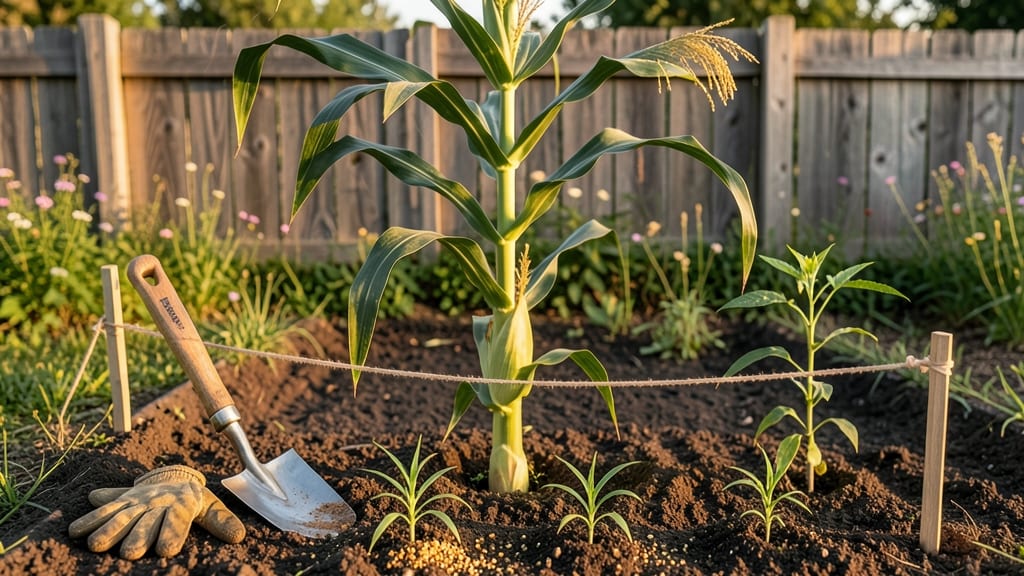
Planting corn in Zone 5 at the wrong time can turn your 🌽 dreams into a sad, frost-nipped memory. The key to a thriving crop isn't just luck—it's knowing when soil warms enough and frost-free days stretch long enough for those stalks to reach their full potential.
Most gardeners in Zone 5a-5b wait until after the last frost (usually mid-May), but timing it right means checking soil temperatures too—corn needs at least 60°F to germinate properly. Get this wrong, and you might end up with stunted plants or no harvest at all.
I’ll break down the exact planting window, how to adjust for early/late frosts, and which corn varieties thrive best in your area. By the end, you’ll know exactly when to drop those seeds for a harvest that’ll make your neighbors jealous.
Ready to grow corn that stands tall and produces ears full of sweet kernels? Let’s get started with the science-backed schedule that works for Zone 5 gardens.
Zone 5 corn planting deadlines: frost-free dates & soil temperature rules
Planting corn in Zone 5 requires precision—miss the window, and you risk frost damage or stunted growth. The last average frost date typically falls between May 10–25, but soil temperature is equally critical.
Corn seeds need soil temps of 50°F+ to germinate reliably, and 60°F+ for optimal growth. Without these conditions, even frost-free skies won’t guarantee success.
Your Zone 5 subregion (5a vs. 5b) also matters. Warmer 5b areas can start planting 1–2 weeks earlier than colder 5a zones. For example, Northern Illinois might wait until late May, while Southern Ohio could plant by mid-May.
Always check your local frost-free date—a quick search for "USDA frost map [your city]" reveals your exact timeline.
Corn is a warm-season crop, meaning it cannot tolerate frost at any growth stage. Even young seedlings will die if temperatures dip below 32°F. That’s why planting too early—even with warm soil—is a common mistake.
The ideal planting window is 2–4 weeks after your last frost date, when soil temps consistently stay above 60°F.
⚠️ PRO TIP: Use a soil thermometer to confirm temps before planting. If your soil is below 50°F, wait—corn seeds won’t germinate, and you’ll waste seed and space. Most garden centers sell these for under $15, and they’re worth every penny for corn.
🌽 SUMMARY TABLE: Zone 5 Corn Planting Deadlines
| Stage | Zone 5 Deadline | Soil Temp Requirement | Action |
|---|---|---|---|
| Last Frost Date | May 10–25 (avg.) | N/A (frost risk) | Mark calendar; wait 2–4 weeks |
| Planting Window | Late May–early June | 50°F+ (min), 60°F+ (ideal) | Sow seeds 1–1.5" deep |
| Backup Window | Early June (latest) | 60°F+ (mandatory) | Use fast-maturing varieties (60–70 days) |
| Harvest Window | Late Aug–early Oct | N/A (plant timing) | Harvest when silks brown |
| First Frost Risk | Mid-October (avg.) | N/A (harvest first) | Prioritize early-mid varieties |
If you’re a late starter, don’t panic—corn can still thrive in Zone 5 with the right variety. Choose early-maturing hybrids (60–70 days) like 'Early Sunglow' or 'Silver Queen' for a June planting.
These varieties can reach harvest before first frost in most of Zone 5. Just be prepared to water deeply and fertilize lightly to compensate for the shorter growing season.
For maximum yield, aim to plant your main crop by June 1. This gives most Zone 5 varieties enough time to mature before frost. If you’re experimenting with succession planting, try a second crop in early July using short-season varieties.
Just space your rows 30–36 inches apart to avoid shading issues as plants grow.
One common misconception is that corn can handle cooler soil. While seeds might sprout at 50°F, growth will be slow and uneven. Wait until soil hits 60°F+ for consistent germination.
Pro tip: Black plastic mulch warms soil faster—lay it down 1–2 weeks before planting to jumpstart your season.
Finally, track your local microclimate. Urban areas often warm up faster than rural zones, while valleys can stay cooler longer. Use a neighbor’s garden or local extension office as a reference. If your area has a history of late frosts, err on the side of planting 2 weeks
How to adjust corn planting for early/late Zone 5 frost patterns
Zone 5 gardeners face unique challenges with corn planting due to unpredictable frost patterns and short growing seasons. Early frosts can kill tender seedlings, while late frosts may delay planting until it's too late for a full harvest.
The key is adapting your approach based on whether your area leans toward early or late frost risks.
For regions with early frost patterns, prioritize early-maturing varieties (80–90 days to harvest) and use season extenders like cold frames or row covers. In areas with late frosts, you can afford slightly later plantings and choose mid-to-late varieties (90–110 days).
Local weather trends are your best guide—check your area's average last frost date and adjust accordingly.
- 1 Choose frost-resistant varieties: Opt for early-maturing corn (80–90 days) for early frosts or mid-late (90–110 days) for late frosts. Examples: 'Silver Queen' (85 days) or 'Peaches and Cream' (100 days).
- 2 Use row covers for early planting: Plant 2–3 weeks before your last frost date under floating row covers to protect seedlings. Remove covers when plants reach 6 inches tall.
- 3 Extend the season with cold frames: For late frosts, use cold frames or low tunnels to plant 1–2 weeks earlier. Soil warms faster in enclosed spaces, giving seedlings a head start.
- 4 Stagger plantings for insurance: Sow successive plantings every 2 weeks (if your season allows) to ensure a continuous harvest. This works best for mid-late varieties in late-frost areas.
- 5 Monitor soil temperature: Corn needs soil at 50°F+ to germinate. Use a soil thermometer to confirm readiness. Plant only when soil stays above 60°F for 3+ days.
If your Zone 5 area has a history of late frosts, don’t rush planting—wait until after May 15 (or your local average last frost date) to avoid losing seedlings.
For early frost-prone regions, start seeds indoors 2 weeks before the last frost and transplant after danger has passed. This gives you a 2-week buffer for slower germination.
Another smart strategy is to plant dwarf corn varieties (like 'Golden Bantam') in containers or raised beds. These mature faster and can be moved to warmer microclimates (like near a south-facing fence) if early frosts threaten.
Dwarf varieties also pollinate more reliably in small gardens, reducing the risk of poor ear development.
Finally, keep an eye on your local weather forecasts in early spring. If a late frost warning appears, cover young plants with lightweight blankets or burlap sacks to protect them. With these adjustments, you can turn Zone 5’s unpredictable frosts into an advantage for a reliable corn harvest.
🌽