
Plants
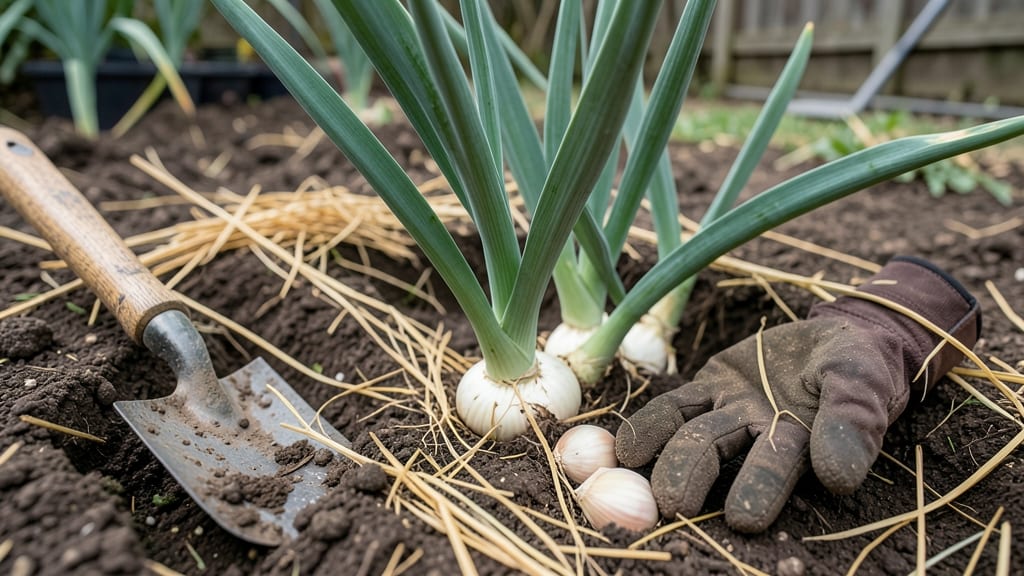
Planting garlic in Virginia at the wrong time can mean the difference between a bountiful harvest and wasted effort. The key to growing strong, flavorful 🧄 bulbs lies in timing—specifically, getting those cloves in the ground during the 4-6 week window before frost hits.
In zones 6a-7b, that narrows down to late October or early November, when soil temperatures drop but the ground stays workable.
Why does this matter so much? Garlic needs cold exposure to form bulbs, but too much early frost or late planting can stunt growth or invite rot. I’ve seen gardeners miss this window by just a few weeks and end up with tiny, weak cloves—or worse, no harvest at all.
The good news? With the right schedule, even beginners can grow garlic that rivals store-bought (and tastes 10 times better).
Let’s break down the exact planting dates for your zone, soil prep tips to maximize bulb size, and what happens if you plant too early or late. You’ll learn how to adjust for Virginia’s unpredictable weather, choose the best varieties for your climate, and avoid common mistakes that sabotage yields.
Ready to grow garlic that’ll make your neighbors jealous?
By the end of this guide, you’ll know exactly when to plant—down to the week—and how to set your garlic up for success from day one. No more guesswork, just a foolproof plan for a harvest of plump, robust bulbs by next summer.
Best fall planting dates for garlic in Virginia by growing zone
Virginia’s USDA zones 6a-7b offer perfect conditions for growing garlic, but timing is critical. Plant too early, and your cloves may rot before winter; too late, and they won’t establish strong roots. The ideal window is 4-6 weeks before the ground freezes, which varies by zone.
For hardneck varieties (like Rocky Mountain), aim for cooler fall temps, while softneck varieties (like Silverskin) tolerate slightly warmer soil.
Soil temperature is your best guide—garlic thrives when soil stays between 40°F and 50°F after planting. Use a soil thermometer to confirm readiness. In Virginia, this typically means mid-October to early November, but exact dates shift by zone.
The moon phase also plays a role: planting during a waxing moon (when the moon is growing) encourages root development, while a waning moon may slow growth.
Here’s your zone-by-zone breakdown for Virginia, including soil temp thresholds, ideal planting windows, and adjustments for early/late starts:
For zone 6a, the earliest zone, aim to plant by mid-October—any later risks frost before roots establish. In zone 7b, you have a bit more flexibility, but don’t wait past early December or your garlic may rot over winter.
If you’re in zone 6b or 7a, the waxing moon in late October is ideal for planting hardneck varieties, while softneck garlic can handle slightly later dates.
If your fall schedule slips, consider container planting. Pots allow you to move garlic to a protected spot or even a garage during extreme cold snaps. Just ensure your containers have drainage holes and use a lightweight potting mix.
For in-ground planting, add 4–6 inches of mulch (straw or leaves) after planting to insulate the soil and retain moisture.
Pro tip: Plant individual cloves 2 inches deep, pointy end up, and space them 4–6 inches apart in rows 12 inches apart. This spacing
How to prepare your Virginia garden for fall garlic planting
Fall is the perfect time to plant garlic in Virginia, but your garden needs the right preparation to grow large, flavorful bulbs. Start by selecting a sunny, well-drained spot with at least 6 hours of sunlight daily.
Virginia’s clay-heavy soils in many areas require extra attention to drainage—garlic hates soggy roots. If your soil is dense, mix in 2-3 inches of compost or aged manure to improve structure and fertility. This step is critical for preventing rot and encouraging strong root growth over winter.
Before planting, test your soil pH—garlic thrives in neutral to slightly acidic soil (pH 6.0-7.0). If your soil is too acidic, add lime 2-3 months before planting. For clay soils, consider raised beds or mounding soil to improve drainage.
Avoid fresh manure, which can burn garlic roots. Instead, opt for well-rotted compost or a balanced organic fertilizer like 5-10-10 applied at planting time.
Plant garlic 4-6 weeks before the ground freezes—typically mid-October to early November in most of Virginia. In Zone 6a (northwest VA), aim for late September to October 15th. In Zone 7b (southeast VA), you can push it to early November. Planting too late risks poor bulb formation or winter kill.
Break apart garlic bulbs into individual cloves, ensuring each has a root and shoot attached. Plant cloves 2 inches deep, with the pointy end up, spaced 4-6 inches apart in rows 12 inches apart. This spacing prevents overcrowding and reduces disease risk.
For Virginia’s clay soils, consider planting on mounds to improve drainage. Hardneck varieties like 'Music' or 'German White' are ideal for Virginia’s climate—they handle cold well and produce large, flavorful bulbs.
After planting, apply a 2-3 inch layer of mulch (straw or leaves) to insulate the soil and retain moisture. Mulch also suppresses weeds and regulates soil temperature. In Zone 6a, add mulch after the first frost to protect cloves.
In Zone 7b, you can mulch immediately after planting. Avoid heavy mulch that smothers the soil—garlic needs airflow to prevent rot. Water lightly after planting to settle the soil around the cloves.
Garlic is a low-maintenance crop, but consistent care pays off. Water deeply once a week during dry spells in fall and early spring, but avoid overwatering—garlic roots need oxygen. In Virginia’s unpredictable winters, a thick mulch layer (4-6 inches) acts as insulation.
Remove mulch in early spring to allow soil to warm and encourage growth. Fertilize lightly in early spring with a balanced fertilizer to support bulb development.
By following these steps, you’ll set your garlic up for success. Virginia’s mild winters and rich soils create perfect conditions for high-yield, disease-resistant garlic. With the right prep, you’ll harvest plump, flavorful bulbs by late June or July—worth the effort! 🧄