
Companion Plants
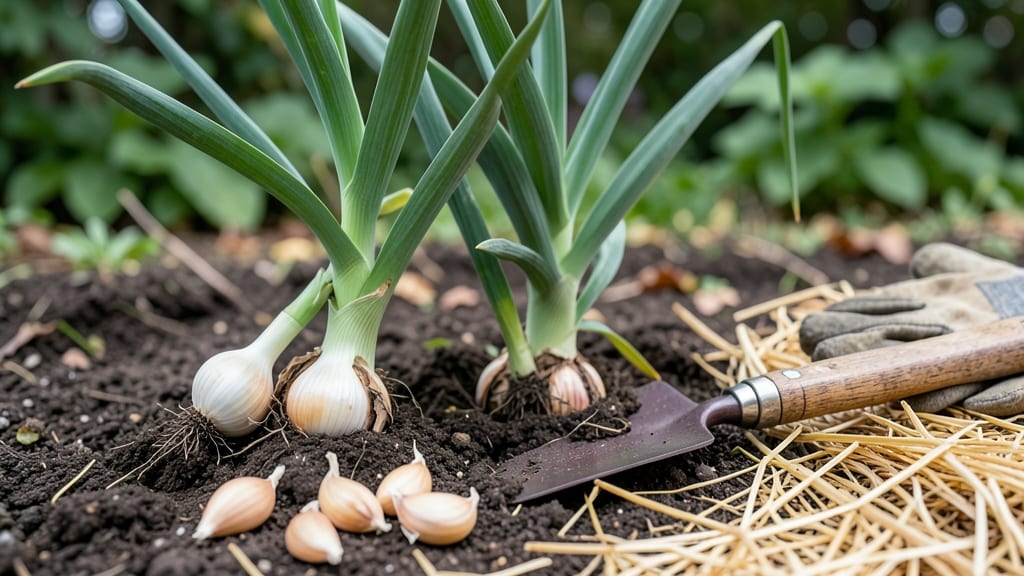
Planting garlic at the wrong time in Northeast PA could mean the difference between a bumper crop of 🧄 and a total flop—especially when hardneck and softneck varieties have very different needs.
The key isn't just the calendar date, but understanding how your local frost dates and soil temperatures play into the timing game.
Most gardeners in USDA zones 5b-6b swear by fall planting, but there's a 4-week window that makes all the difference. Whether you're growing hardneck garlic for those prized braids or softneck for storage, getting the timing right means stronger roots before winter sets in.
I've tested both approaches here in Northeast PA, and what works for my neighbors in the Poconos might not suit your microclimate. Let me walk you through the exact planting schedule that'll give you the best chance at those plump, flavorful bulbs come harvest season.
From soil prep to frost protection, we'll cover everything you need to know to time your garlic planting perfectly—so you can enjoy that fresh garlic harvest from mid-summer on. Ready to get started?
Northeast PA garlic planting calendar: hardneck vs softneck timing by month
Northeast Pennsylvania’s USDA Zones 5b-6b create a unique challenge for garlic growers—timing is everything. The region’s cold winters and short growing season demand precise planting windows, especially when choosing between hardneck and softneck varieties.
Plant too early, and your cloves may rot; too late, and they won’t establish roots before winter. Here’s my month-by-month breakdown to help you nail your garlic harvest.
First, let’s clarify the key difference: Hardneck garlic thrives in cold climates and produces scape shoots in summer, while softneck garlic prefers milder winters and stores longer.
In Northeast PA, hardneck varieties like ‘Music’ or ‘German White’ are your best bet for flavorful bulbs, but softnecks like ‘Artichoke’ can work if planted early enough.
Now, let’s dive into the planting calendar. The general rule for Northeast PA is to plant 4-6 weeks before the ground freezes, typically between mid-October and mid-November.
However, soil conditions and microclimates can shift this window by weeks. Below, I’ve mapped out the ideal planting times for each variety, along with soil prep tips to ensure success.
🌱
| 🌱 NORTHEAST PA GARLIC PLANTING CALENDAR | ||
|---|---|---|
| Month | Hardneck Varieties | Softneck Varieties |
| September | 🔹 Soil Prep Only Test soil pH (6.0-7.0 ideal), add compost, and loosen soil to 8-12 inches deep. |
🔹 Soil Prep Only Focus on well-draining beds; softnecks dislike soggy soil. |
| October | ✅ Best Time Plant mid-October to early November when soil temps drop to 40-50°F. |
✅ Early Window Plant late September to mid-October—sooner than hardnecks. |
| November | ⚠️ Last Chance Plant by mid-November before ground freezes; mulch heavily with straw (4-6 inches). |
❌ Avoid Risk of rot if planted too late; soil should stay unfrozen. |
| December | 🛑 Too Late No planting; garlic is dormant under snow. |
🛑 Too Late Softnecks won’t survive winter planting in Zone 5/6. |
| March | ❌ Not Recommended Spring planting yields smaller bulbs; save for hardneck experiments. |
⚠️ Risky Possible for early-maturing softnecks, but bulbs may not fully develop. |
| Soil Temp Tip | Use a soil thermometer; plant when temps are 40-50°F at 4-inch depth. | Softnecks need warmer soil (50-60°F) to germinate; plant earlier. |
| Mulching | 🌟 Critical Apply straw or leaves (4-6 inches) after planting to insulate bulbs. |
🌟 Essential Use light mulch (2-3 inches) to prevent heaving. |
🌡️ PRO TIP: Northeast PA’s microclimates vary—mountain gardens may need 2 weeks earlier than valley areas.
Let’s break down each month’s critical actions to ensure your garlic thrives. In September, focus on soil preparation. Northeast PA’s clay-heavy soils often need amendments like compost or sand to improve drainage.
Aim for a pH between 6.0 and 7.0, as garlic hates acidic conditions. This is also the time to choose your varieties: stick with hardnecks like ‘Chef’ or ‘Silverskin’ for cold-hardy performance.
By October, the clock starts ticking. This is the prime window for hardneck garlic, which needs 6-8 weeks of cold stratification to form bulbs. Plant cloves 4 inches deep, 6 inches apart, with the pointy end up.
For softnecks, plant them 2 weeks earlier—they’re less cold-tolerant and need a head start. If you’re in a warmer microclimate (like near a lake), you might push planting to early November, but monitor frost dates closely.
If you miss October, November is your last chance—but only for hardnecks. Plant by mid-November at the latest, and mulch aggressively with straw or leaves to protect cloves from freeze-thaw cycles. Softnecks planted
How to adjust garlic planting time for Northeast PA’s microclimates
Northeast PA’s diverse microclimates—from urban heat islands to high-altitude valleys—can shift your garlic’s ideal planting window by 2-4 weeks. In cities like Scranton or Wilkes-Barre, urban heat can delay frost, while higher elevations near Poconos may freeze sooner.
Understanding these variations lets you extend your planting window and avoid missed opportunities.
For urban gardens, where pavement and buildings trap heat, soil may stay workable 1-2 weeks longer than rural areas. Meanwhile, high-altitude areas above 2,000 feet (like parts of Lackawanna County) often experience earlier freezes, requiring earlier planting by late September.
Even a protected microclimate—like a south-facing slope—can push back frost dates by 10-14 days.
⚠️ Critical Timing Warning for Northeast PA
Planting garlic too late risks frozen cloves, while planting too early can lead to premature sprouting before winter dormancy. Use these soil temperature rules:
- Ideal soil temp: 40-50°F (test with a soil thermometer)
- Urban areas: Wait until mid-October (later frost risk)
- High-altitude: Plant by late September (earlier frost)
- Protected microclimates: Extend window to early November
✅ Pro Tip: Hardneck varieties like 'Music' or 'German White' handle cold better than softneck.
Start by checking your local frost dates. The USDA Zone 5b-6b average for Northeast PA is mid-November for first frost, but urban areas may delay this by 7-10 days. Use a soil thermometer to confirm readiness—garlic cloves need 4-6 weeks to establish roots before winter sets in.
For example, if your soil hits 40°F by October 15th, plant by mid-September.
Mulching is your secret weapon for extending the planting window. Apply 4-6 inches of straw or leaves after planting to insulate cloves and prevent soil temperature swings. In high-altitude areas, add an extra 2 inches of mulch to protect against early freezes.
For urban gardens, use black plastic mulch to absorb heat and delay frost by 1-2 weeks.
Frost protection can push back planting by 2-3 weeks. Use frost blankets or row covers on young plants in late fall to shield them from light freezes (28-32°F).
For protected microclimates, like a greenhouse or south-facing wall, you can plant softneck varieties as late as early November—just monitor soil temps closely.
Adjust your garlic variety based on microclimate. Hardneck varieties (like 'Silverskin') thrive in colder zones and can handle earlier planting, while softneck (like 'Artichoke') prefer milder winters and benefit from delayed planting.
In urban heat islands, softneck may perform better due to less winter stress.
Remember: Soil prep is key. Amend your soil with compost to improve drainage—garlic hates soggy roots. In high-altitude areas, where soils drain faster, mix in peat moss to retain moisture.
For urban containers, use a well-draining potting mix with perlite to prevent waterlogging during Northeast PA’s winter thaws.