
Plants
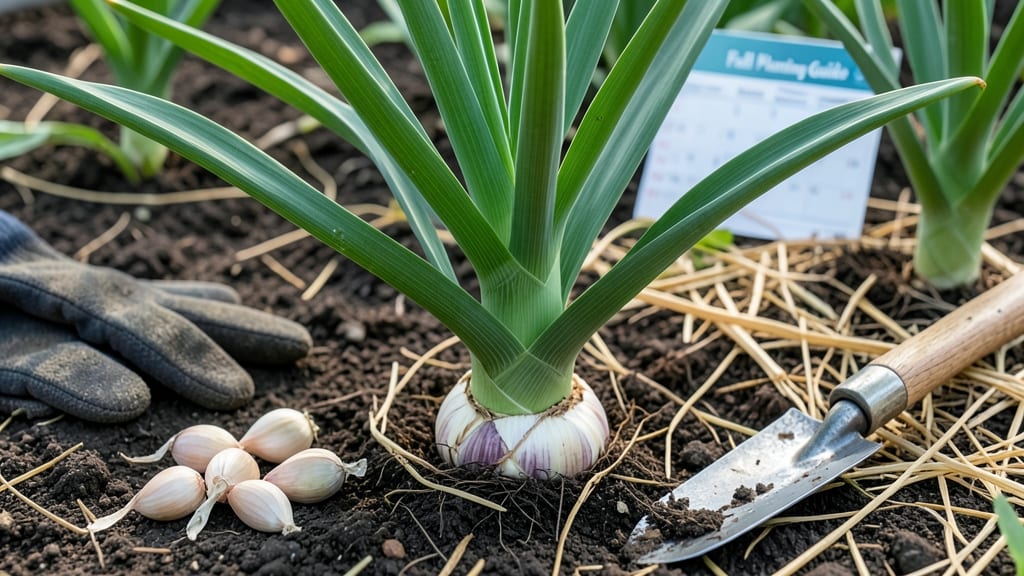
Planting garlic in Wisconsin isn't just about dropping cloves into the soil—it's about timing them perfectly to outsmart the frost and coax those plump, flavorful bulbs you crave.
The secret lies in a narrow window between mid-September and November, when the ground stays cool but the soil remains workable before winter sets in.
For Wisconsin gardeners in zones 4b-5b, this means acting fast—too early, and your 🧄 might rot; too late, and the cold snaps will stall growth. I’ve seen firsthand how a 2-week difference can mean the difference between a bumper crop and a sad, shrunken harvest.
But don’t stress—this guide breaks down the exact deadlines by county, so you’ll know when to plant whether you’re in Milwaukee’s urban gardens or a rural patch of Door County.
We’ll also cover soil prep tricks to give your garlic the best possible start, because even the hardiest varieties need a little help thriving in Wisconsin’s unpredictable climate.
Ready to grow garlic that rivals the stuff from the grocery store? Let’s dive into the frost-free deadlines and proven methods that’ll turn your fall planting into next summer’s harvest goldmine.
Wisconsin garlic planting deadlines by county: frost-free zones explained
Timing your garlic planting in Wisconsin depends entirely on your county's frost-free dates. Hardneck garlic thrives when planted 4-6 weeks before ground freeze, typically between September 1 and October 31.
Missing this window means smaller bulbs or poor survival through Wisconsin's harsh winters. Let's break down the best planting dates by USDA hardiness zones 3-5 so you can maximize your harvest next summer.
Wisconsin spans zones 3b through 5b, creating microclimates that shift planting deadlines by up to 3 weeks. Northern counties like Bayfield or Iron (zone 3b) need garlic in the ground by October 1, while southern counties like Walworth or Racine (zone 5b) can plant until November 1.
The key is avoiding soil temperatures below 40°F, which halts root growth and increases rot risk.
Here's a county-by-county breakdown of Wisconsin's garlic planting windows, calculated using historical frost data from the Wisconsin State Climatology Office. Use this as your guide to plant hardneck varieties like 'German White' or 'Music' at the optimal time for your region.
For gardeners in zone 3b counties, I recommend planting German White or Rocambole varieties by September 20 to ensure they establish roots before winter. These varieties handle Wisconsin's cold winters well and produce robust bulbs.
In zone 5b areas, you can push the deadline to November 1, but avoid planting after November 15—the cloves won't have enough time to root before freeze.
Pro tip: Use a soil thermometer to confirm ground temps are above 40°F before planting. If temps drop suddenly, cover beds with straw mulch (4-6 inches) to insulate cloves.
This trick buys you 1-2 extra weeks in marginal zones like Waukesha or Ozaukee. Just remove mulch in spring to prevent rot.
Wisconsin's microclimates can shift planting windows by 2-3 weeks, even within the same county. For example, urban Milwaukee (zone 5a) may have warmer microclimates near buildings, allowing late-October plantings, while rural farmland in the same county might freeze earlier. Observe your yard's frost patterns
How to adjust garlic planting for Wisconsin’s microclimates: tips for urban vs. rural growers
Wisconsin’s diverse microclimates—from urban balconies to rural fields—demand tailored garlic planting strategies. In urban areas, container gardening and south-facing yards require shorter growing windows, while rural growers can leverage deeper soil and extended frost-free periods.
The key? Adjusting your approach to match your specific conditions without sacrificing bulb quality.
For urban gardeners, space constraints mean prioritizing container-friendly varieties like ‘German White’ or ‘Silverskin’, which thrive in 12-inch-deep pots. Rural growers, on the other hand, can plant hardneck varieties like ‘Music’ or ‘Chef’s Choice’ directly into well-drained loam, where they’ll develop larger bulbs.
Both scenarios benefit from soil amendments—urban growers use compost blends, while rural plots may need lime to adjust pH.
- 📅 Urban Containers: Plant Sept 15–Oct 15 to ensure bulbs establish roots before winter. Use well-draining potting mix with 50% compost.
- ☀️ South-Facing Yards: Extend planting to Nov 1 if soil stays workable. Mulch with 4–6 inches of straw to insulate roots.
- 🌾 Rural Fields: Plant Oct 1–Nov 15 for deeper soil warmth. Test pH (6.0–7.0) and amend with wood ash if needed.
- ❄️ Cold Frames/Row Covers: Push planting to Nov 30 by using floating row covers to delay frost damage.
- 🌱 Soil Prep: All sites need 2–3 inches of compost and 1 tbsp of 10-10-10 fertilizer per sq ft before planting.
Mulching is non-negotiable in Wisconsin’s freeze-thaw cycles. Urban growers should use straw or shredded leaves (3–4 inches) to protect container roots, while rural plots benefit from heavier mulch layers (6+ inches) to retain moisture.
Avoid synthetic mulches—they can trap too much heat and promote rot. Instead, opt for organic matter that breaks down slowly, feeding your garlic as it grows.
To extend your planting window by 2–3 weeks, invest in cold frames or row covers. These tools create microclimates that delay frost, allowing late-October or even early-November plantings. For urban balconies, mini cold frames (like repurposed plastic bins with clear lids) work wonders.
Rural growers can use hoop houses covered with frost cloth to shield entire rows. Just remember: remove covers in spring to prevent overheating.
Watering strategies also shift with microclimates. Urban containers dry out faster, so water deeply every 5–7 days (morning only) to prevent soggy soil. Rural plots, with deeper roots, need bi-weekly watering once established, but monitor for drought stress during Wisconsin’s hot, dry summers.
A simple trick? Stick your finger 2 inches into the soil—if it’s dry, water.
Finally, don’t overlook the power of location-specific varieties. Urban gardeners might favor smaller-bulbed ‘Creole’ garlic, while rural growers can experiment with larger ‘Artichoke’ types. Both groups should save seeds from their best bulbs each year to adapt to local conditions.
With these adjustments, you’ll turn Wisconsin’s microclimates into garlic-growing goldmines—whether you’re tucked between skyscrapers or sprawled across open fields.