
Plants
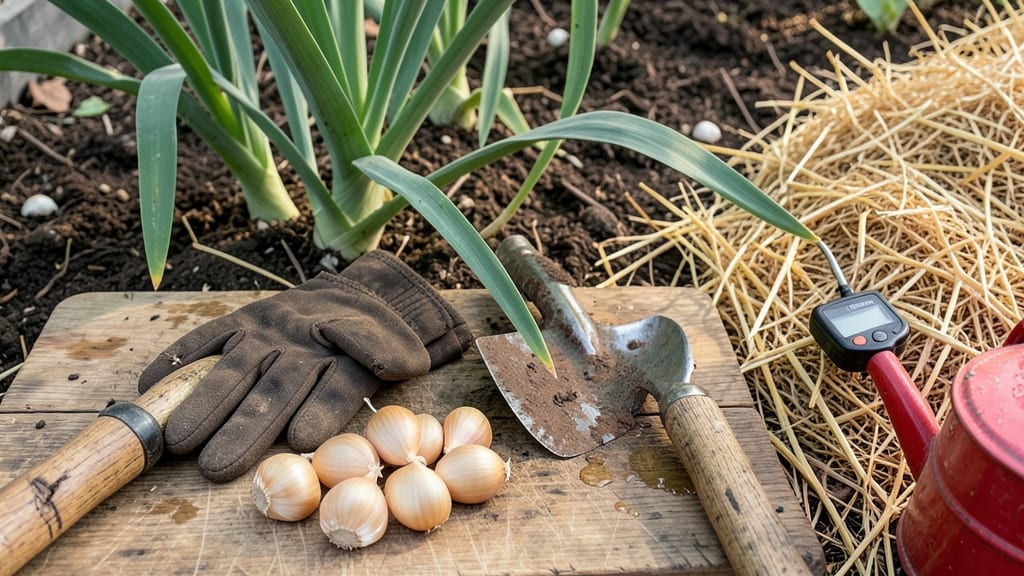
Planting garlic in Zone 9 during the wrong fall months can turn your hard work into disappointment—because timing here isn’t just about the calendar, it’s about catching that sweet spot between heat and rain.
Unlike colder zones where frost triggers growth, your Zone 9 climate (think Phoenix or the Southern California desert) demands a different rhythm: plant too early, and your cloves rot in warmth; too late, and they struggle to establish roots before winter rains. The key?
A narrow window where soil cools just enough to signal garlic that it’s time to wake up.
Most gardeners in Zone 9 swear by planting 🧄 in October or November, but here’s the catch: your exact timing depends on whether you’re growing hardneck varieties (like Rocambole) or softneck types (like Artichoke).
Hardnecks need that cooler window to form scapes, while softnecks—common in warm climates—can stretch their schedule slightly. I’ll show you how to read your local microclimate cues (like when those first winter rains hit) to fine-tune your planting date for bulbs that rival the grocery store’s—only better.
What if you miss the ideal window? Don’t panic. I’ll share my go-to tricks for adjusting soil temperature and using mulch to protect young cloves from unexpected heat spikes or downpours. Plus, we’ll tackle the big question: when do you stop planting?
Spoiler: January is your last chance, but only if you’re prepared to baby your garlic through the mild winter. Ready to grow garlic that’s bold in flavor and plentiful in harvest? Let’s get those cloves in the ground the right way.
Harvesting in May or June feels like a reward for getting the timing right—imagine pulling up those papery-skinned bulbs, knowing you nailed the fall planting. But here’s the secret sauce: the varieties you choose and how you prep your soil can shave weeks off your wait time.
Stick with me, and you’ll learn how to turn Zone 9’s warm winters into your garlic-growing advantage, not a challenge. Let’s make this your most successful garlic season yet.
Best fall planting months for garlic in Zone 9 (with exact dates)
In Zone 9, where winters are mild and frost is rare, timing your garlic planting correctly is critical for strong bulb development. Unlike colder climates, garlic doesn’t need freezing temperatures to form bulbs—it thrives with cool but frost-free winters.
The ideal window is October through December, but exact dates depend on your microclimate and variety.
Zone 9’s warm winters mean garlic can grow year-round if planted at the wrong time. The key is to establish roots before winter rains begin (typically November) while avoiding summer heat stress.
Early planting in late September is possible for high-altitude areas, but most gardeners aim for October 15–November 15 for optimal results.
*Adjust for local rainfall patterns—plant 4–6 weeks before winter rains to avoid rot.
For early-maturing varieties like Creole garlic, you can push the window to late September, especially in cooler microclimates like San Diego’s coastal areas. These varieties tolerate slightly warmer soil and produce bulbs faster, reducing heat stress risks.
In contrast, purple stripe garlic or artichoke garlic benefit from a later start (mid-October) to develop larger bulbs.
Soil temperature is your best guide—aim for 55–65°F (13–18°C) at planting depth (2 inches). Use a soil thermometer to check, especially in urban heat islands where pavement can raise temperatures. If soil is warmer than 65°F (18°C), delay planting until nighttime temps drop below 70°F (21°C) consistently.
Zone 9’s variable rainfall adds complexity. In dry years, plant in October to establish roots before winter dry spells. In wet winters, delay until November to avoid waterlogged soil. Always plant 4–6 weeks before heavy rains to prevent clove rot—a common issue in Zone 9’s unpredictable climate.
Mulching with 4–6 inches of straw after planting helps regulate soil temperature and retain moisture. In desert microclimates (e.g., Phoenix), mulch also protects cloves from winter heat spikes. Remove mulch in late winter to allow soil to warm for spring growth.
If you miss the ideal window, don’t panic. January plantings can still work for fast-maturing varieties, though bulbs may be smaller. Focus on soil prep—amend with compost and well-draining sand—to compensate for less-than-optimal timing. Just avoid planting after February, as summer heat will stress young plants.
Remember: harvest timing follows planting by 7–9 months. Garlic planted in October will be ready in May–June, while January plantings harvest in July–August. Plan ahead to avoid overlapping harvests or missing the peak flavor window.
For Zone 9 gardeners, the secret to success lies in observing local cues—watch your neighbors’ citrus trees for blooming patterns (a sign of cooling temps) and adjust your schedule accordingly. With the right timing, you’ll grow plump, flavorful bulbs even in the mildest winters. 🧄
How to time garlic planting for Zone 9’s unique climate challenges
Zone 9’s warm winters and unpredictable weather patterns demand a flexible approach to garlic planting. Unlike colder climates, your garlic won’t experience true dormancy—so timing roots before summer heat is critical.
Plant too early, and your cloves may sprout and bolt; too late, and they’ll struggle to establish before the next heatwave. The key is balancing soil warmth and rainfall to give your garlic a strong start.
In my Zone 9b garden in Phoenix, I’ve learned that October is ideal for most varieties, but adjustments are needed based on microclimates. Coastal areas may push planting into November, while inland deserts might start as early as late September.
Always check your local rainfall forecasts—garlic needs consistent moisture to root properly without becoming waterlogged.
⚠️ callout warning ⚠️
🌡️ Zone 9 Warning: Heatwaves Can Ruin Your Garlic
Planting in late fall (November-December) is safer if your area experiences unusually warm winters. Soil temps above 70°F can shock cloves, causing them to rot. Use a soil thermometer—ideal planting temps are 60-65°F. If your soil is too warm, delay planting or use shade cloth until temps drop.
Pro Tip: Test your soil’s moisture retention—Zone 9 soils often dry out quickly. Amend with compost or coconut coir to hold water without suffocating roots.
Mulching is your secret weapon in Zone 9. A 4-inch layer of straw or wood chips protects young cloves from temperature swings and retains moisture. I’ve seen cloves planted in December thrive with mulch, while unmulched plants wilted during a January heatwave.
Apply mulch immediately after planting—it also suppresses weeds and regulates soil temps.
Don’t let rain delays throw off your schedule. If heavy rains hit right after planting, your cloves may rot. Wait until the soil is dry enough to crumble before planting, then water deeply afterward.
In my experience, November rains are less risky than October downpours, which can compact soil and suffocate roots.
For container-grown garlic, timing is even trickier. Pots heat up faster, so plant 2-3 weeks later than in-ground garlic. Use black plastic pots to absorb heat and place containers in partial shade during peak afternoon sun. Monitor soil moisture daily—containers dry out 3x faster than garden beds.
Remember, harvest timing depends on planting date. Garlic planted in October typically harvests in May-June, while late-planted cloves may not mature until July. Mark your planting spots clearly—Zone 9’s long growing season can make it easy to forget where your garlic is hiding under mulch!