
Plants
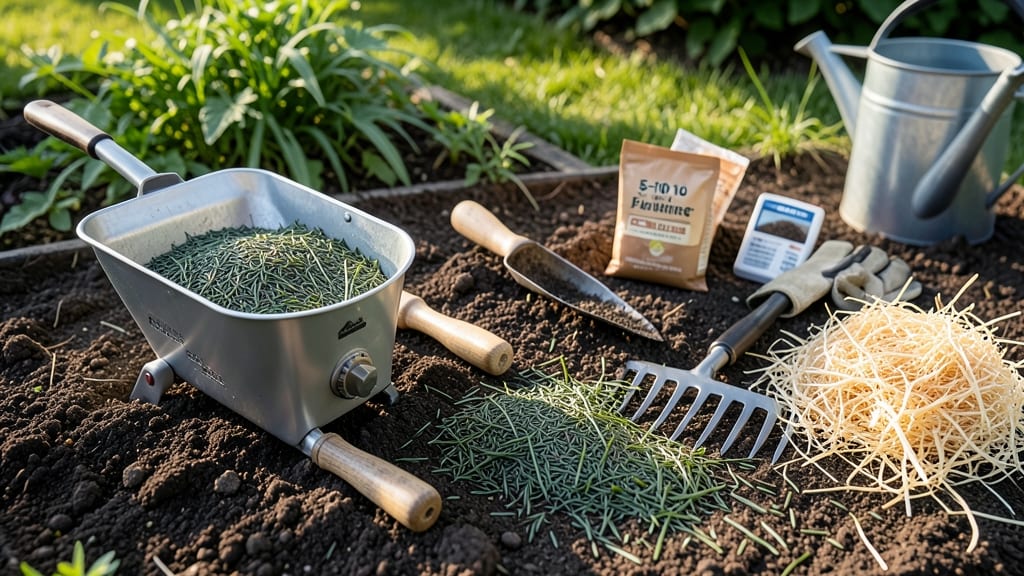
Planting grass seed in the fall is your golden opportunity to grow a thicker, greener lawn—but timing is everything. If you seed too early, weeds will outcompete your tender sprouts, and if you wait too long, frost can stunt growth before roots establish.
The key lies in a 4-6 week window before your first frost, when soil stays warm enough for germination but cool enough to slow weeds.
For most of the U.S. (especially USDA Zone 6a), that means late August through early October—just long enough for grass like fescue or Kentucky bluegrass to develop strong roots before winter.
I’ve learned the hard way that rushing this process leads to patchy lawns, while patience pays off with deep, resilient turf that outlasts summer’s heat and drought.
This isn’t just about dates—it’s about soil temperature, too. Aim for daytime highs between 50-65°F, where seeds germinate quickly but weeds stay dormant.
I’ll walk you through exactly how to check your soil’s readiness, plus the 5 critical steps to avoid common fall planting mistakes that leave lawns looking half-hearted.
Whether you’re reviving a bare patch or seeding a new yard, fall’s cooler weather and reduced weed pressure make it the most efficient time to grow grass. Let’s break down the science behind the perfect window—and how to turn your fall planting into next year’s envy-worthy lawn.
Best fall planting windows by climate Zone: when grass seed thrives
Timing your grass seed planting in fall is all about catching that sweet spot between warm soil and cool air. Cool-season grasses like Kentucky bluegrass and tall fescue need 4-6 weeks before the first frost to establish strong roots.
Plant too early, and weeds steal the show; too late, and frost stunts growth. Let’s break down the perfect planting windows by your USDA climate zone.
Your soil temperature is the real clock for grass seed germination—aim for 50-65°F. In northern zones, this means seeding in late August to mid-September. Southern regions can stretch it to October or even early November, as long as frost isn’t lurking.
The key is consistent moisture and warm soil to kickstart those roots before winter slows things down.
| USDA Zone | Ideal Planting Window | Soil Temp Threshold | First Frost Risk |
|---|---|---|---|
| Zones 3-5 (Cold Climates) | Late August to mid-September | 50-60°F | High (plant 6 weeks before) |
| Zones 6-7 (Temperate) | Mid-August to October | 55-65°F | Moderate (plant 4-5 weeks before) |
| Zones 8-9 (Mild Winters) | September to early November | 60-70°F | Low (plant 3-4 weeks before) |
| Zones 10+ (Tropical) | October to December | 65-75°F | None (plant anytime) |
In northern zones (3-5), where frost hits early, I recommend seeding by September 15th at the latest. The soil stays warm from summer’s heat, giving seeds time to germinate before temperatures drop. Use a soil thermometer to confirm—if it’s below 50°F, wait a week or two.
In Zone 5, for example, I planted tall fescue on September 1st one year and saw 90% germination before frost.
For southern zones (8-10), the window is wider—you can even seed into early November if your soil stays warm. In Zone 9, I’ve successfully planted perennial ryegrass in late October with no frost issues.
The trick here is avoiding summer heat stress—seed after 90°F soil cools to 65°F. If you’re unsure, check your local frost dates and count backward.
One critical mistake I see is planting too late in northern climates. If you seed in October in Zone 4, the young grass may not establish roots before frost, leaving it weak for spring.
Always test your soil—cool-season grasses thrive in pH 6.0-7.5. If your soil is too acidic, amend it with lime 4-6 weeks before seeding.
Another pro tip: water deeply after planting to settle seeds into the soil. Use a light mulch (like straw) to retain moisture and protect seeds from bird damage.
In dry climates, I’ve seen 50% better germination with a thin straw layer—just don’t smother the seeds. Aim for 1/4-inch coverage max.
If you’re comparing fall vs. spring planting, fall wins for root depth and weed suppression. Spring-seeded lawns often struggle with summer drought and weed competition, while fall gives grass a 6-inch head start on roots.
That said, if you miss fall, early spring (as soon as soil is workable) is your second chance—just be ready for weed control.
For warm-season grasses (like Bermuda or Zoysia), fall is still a great time to overseed with cool-season varieties for winter color. Just mow low before seeding to expose soil.
And remember: patience is key. Fall-seeded grass may look sparse in winter but explodes in spring with a thick, lush stand.
Ready to plant? Grab your soil thermometer, check your USDA zone, and mark your calendar. The earlier you plant in fall, the stronger your lawn will be by spring—just don’t wait until the soil cools below 50°F. Happy seeding! 🌱
Fall grass seed planting checklist: 5 critical steps for germination success
Fall seeding gives your grass a head start on deep root growth before winter. But success depends on preparation—not just throwing seed on bare soil. The 5 critical steps below ensure your new lawn thrives, not just survives.
Start with soil prep and end with protective care to outsmart weeds and frost.
Timing matters most: Aim to plant 4-6 weeks before your first frost date. This window lets seeds germinate and establish roots without rushing. For USDA Zone 6a (like much of the Midwest), that means late August to mid-September.
Adjust earlier for cooler northern zones or later for warmer southern climates.
🌱 Fall Grass Seed Planting Timeline
- Step 1: Test & Prep Soil – Aim for pH 6.0-7.5. Amend with lime if too acidic or sulfur if too alkaline. Add 2-3 inches of compost and till to 6-inch depth.
- Step 2: Aerate & Level – Use a core aerator to create ½-inch holes every 2-3 inches. Rake to smooth bumps and fill low spots with topsoil.
- Step 3: Choose the Right Seed – Cool-season grasses (like tall fescue or Kentucky bluegrass) thrive in fall. Avoid warm-season varieties (e.g., Bermuda) unless you're in Zone 8+. Check seed labels for "fall planting" recommendations.
- Step 4: Seed & Protect – Spread seed at ½ lb per 100 sqft (or follow package rates). Lightly rake to cover seeds ¼-inch deep, then apply a thin layer of straw mulch to retain moisture and deter birds.
- Step 5: Water & Monitor – Keep soil consistently moist (not soggy) with ¼-inch water daily for 2 weeks, then taper to ½-inch 2x weekly. Avoid watering at night to prevent fungal growth.
Weed control starts before seeding. Apply a pre-emergent herbicide 2-3 weeks before planting to block weeds, but skip if you’re using organic methods. Post-planting, hand-pull any sprouting weeds immediately—they’ll steal nutrients from your tender grass seedlings.
After seeding, mulching is non-negotiable. Use straw (not hay) to prevent soil crusting and retain moisture. A ¼-inch layer is enough—too much can smother seeds. Remove mulch once grass reaches 2-3 inches tall to avoid thatch buildup.
Fall’s cooler temps mean less water evaporation, but don’t let soil dry out. Use a rain gauge or tuna can to measure water depth—aim for ½-inch per week (including rain). Early morning watering (before 10 AM) reduces disease risk and gives grass time to dry before evening dew.
With these steps, your grass will outcompete weeds by spring and handle winter better than spring-planted lawns. The key? Patience and consistency. Seedlings take 14-21 days to sprout—resist the urge to disturb the soil or adjust watering.
Soon, you’ll have a thick, resilient lawn that’s the envy of the neighborhood. 🌿