
Plants
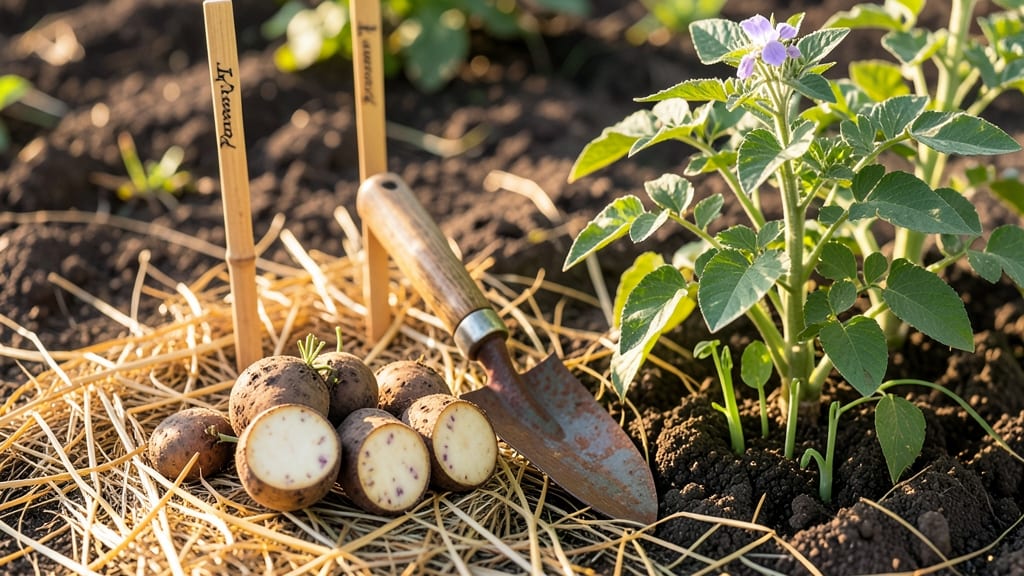
Planting potatoes in California isn’t as simple as tossing seed potatoes into the dirt—get the timing wrong, and you’ll end up with bitter, stringy tubers instead of the fluffy, buttery harvest you crave.
The perfect window depends on where you live, because coastal areas, deserts, and the Central Valley each have their own rules.
If you’ve ever wondered why your neighbor’s potatoes thrive while yours bolt into flower stalks, it’s likely about soil temperature and frost risk.
I’ve grown potatoes across California’s diverse climates, and the difference between a 60-day harvest and a total flop often comes down to planting just a few weeks too early or late.
In this guide, I’ll break down the exact months to plant for your region—whether you’re in chilly coastal USDA Zone 9, the heat of the Central Valley, or the desert’s unique microclimate. Plus, I’ll share my top tips for avoiding bolting, even when temperatures spike unexpectedly.
Ready to dig into the details? Let’s get those 🥔 in the ground at the right time for a bumper crop—no guesswork required.
California potato planting calendar by microclimate: coastal vs. desert vs. Valley timing
California’s three distinct growing zones—coastal, Central Valley, and desert—create wildly different potato planting windows.
In coastal areas like San Francisco, cool summers mean you can plant as late as May, while desert regions like Palm Springs demand early February starts to avoid 100°F+ soil temperatures that trigger bolting.
The Central Valley offers the longest window but requires precise timing to avoid both frost and heat stress.
Your biggest risk isn’t just frost—it’s bolting, where potatoes send up flower stalks and produce bitter tubers. This happens when soil temperatures exceed 75°F during active growth. Each microclimate has its own soil temperature triggers, which we’ll break down to help you avoid this common mistake.
For example, coastal soils may stay cool enough for fall planting, while desert soils can hit dangerous warmth by April.
Here’s the key difference: Coastal gardeners can plant twice a year (spring and fall), Valley growers have one main window with possible fall extensions, and desert gardeners must plant early or use shade cloth.
Let’s dive into the exact months and soil temperature thresholds for each zone to ensure you harvest smooth, flavorful potatoes instead of stringy, bitter ones.
🌱 Pro Tip: Use a soil thermometer ($10 at garden centers) to check temperatures before planting—45-55°F is ideal for seed potatoes to sprout without bolting.
| Region | Spring Planting Window | Fall Planting Window | Soil Temp Threshold (°F) | Frost Risk | Best Varieties |
|---|---|---|---|---|---|
| Coastal (San Francisco, Santa Barbara) | Mid-March to May | August to September | 45-65°F (planting), max 70°F (growth) | High risk before March 15, rare after October 15 | Red Pontiac, Yukon Gold, Fingerlings |
| Central Valley (Sacramento, Fresno) | February to April | July to August (with row covers) | 50-60°F (planting), max 75°F (growth) | Moderate risk before Feb 1, rare after Nov 1 | Russet Burbank, Kennebec, Purple Viking |
| Desert (Palm Springs, Joshua Tree) | January to February | Not recommended (soil too hot) | 55-65°F (planting), max 68°F (growth) | None (year-round growing) | Red LaSoda, White Rose, New Redskin |
In coastal regions, your fall planting window (August-September) works because ocean breezes keep soil temperatures ideal until October. However, you’ll need to harvest before first frost, which typically hits by mid-November in San Francisco.
For Valley gardeners, July-August plantings require row covers to protect from late-summer heat waves that can push soil temps to 85°F+.
Desert gardeners face the toughest challenge: soil warmth. By March, daytime temps in Palm Springs often exceed 90°F, causing potatoes to bolt within 3 weeks.
The solution? Plant early (January-February) and use drip irrigation to keep soil cool. Varieties like Red LaSoda tolerate slightly warmer conditions but still need shade cloth by midday.
Another critical factor is daylength. Potatoes in coastal areas experience shorter days in fall, which can trigger bolting even at safe soil temps. To prevent this, choose early-maturing varieties (like Yukon Gold, which harvests in 70 days) and plant after July 15 for fall crops.
For Valley regions, the Central Valley’s long growing season means you can stagger plantings every 2 weeks from February to April for a continuous harvest. But watch for heat spikes—even a single day over 80°F can stress plants.
Mulch with straw to maintain even soil temps and reduce watering frequency to every 3-4 days once established.
If you’re in a transition zone (like Santa Cruz Mountains or Madera), blend these strategies: plant early varieties in February for a spring harvest, then try a late August planting with row covers for fall potatoes.
Just remember: never plant potatoes after soil temps hit 75°F for more than 3 consecutive days.
Finally, test your soil before planting—California’s diverse geologies mean pH can vary wildly. Aim for 5.0-6.5 pH and amend with compost
How to adjust planting dates for early vs. late varieties in California’s climate
California’s potato varieties thrive on precise timing—early types like Yukon Gold need cooler soil, while late varieties such as Russet demand warmth. The key is matching your planting window to the variety’s needs, especially in coastal areas where fog delays warming.
Inland regions can plant earlier, but heat spikes can trigger bolting if you’re not careful.
For coastal gardens, start with early varieties like fingerlings in March to avoid spring chills. In the Central Valley, wait until April for soil temps above 50°F.
Desert areas can plant Russets in February, but use shade cloth to prevent stress. Each variety has a 60-90 day window—plan accordingly to avoid bitter tubers.
- Yukon Gold – Plant March-April (coastal) or February-March (inland). Ideal for spring harvests before summer heat.
- Fingerlings – Best in March to April; tolerate cooler soils. Use row covers if frost lingers.
- Red Pontiac – Plant April-May for summer harvests. Needs consistent moisture to prevent cracking.
- Kennebec – Suits Central Valley planting in April; avoid desert heat by harvesting before July.
- Russet – Plant April-May (coastal) or March-April (desert). Use cold frames in fall for extended harvests.
- Purple Peruvian – Best in May for late-season harvests; thrives in cooler fall temps.
Extend your harvest season with row covers or cold frames—especially in coastal areas where fog delays warming. For late varieties, plant in May and use shade cloth to prevent bolting during heatwaves. Monitor soil temps with a thermometer; potatoes need 45-65°F to thrive.
In unpredictable climates, like Northern California, start seeds indoors 6-8 weeks before your last frost date. Transplant seedlings when soil reaches 50°F and nights stay above 40°F. For desert regions, prioritize early-morning watering to keep roots cool during daytime heat.
Adjust your planting schedule based on local weather patterns. If your area has late springs, opt for longer-season varieties like Kennebec. For early harvests, choose fingerlings or Yukon Gold—they mature faster and tolerate cooler soils better than Russets.
Always rotate crops to prevent disease buildup in your garden.
By matching your variety to the planting window and using season-extending tools, you’ll avoid bolting and maximize yields. California’s climate is tricky, but with these adjustments, you’ll enjoy homegrown potatoes from spring to fall—no bitter surprises here! 🥔