
Plants
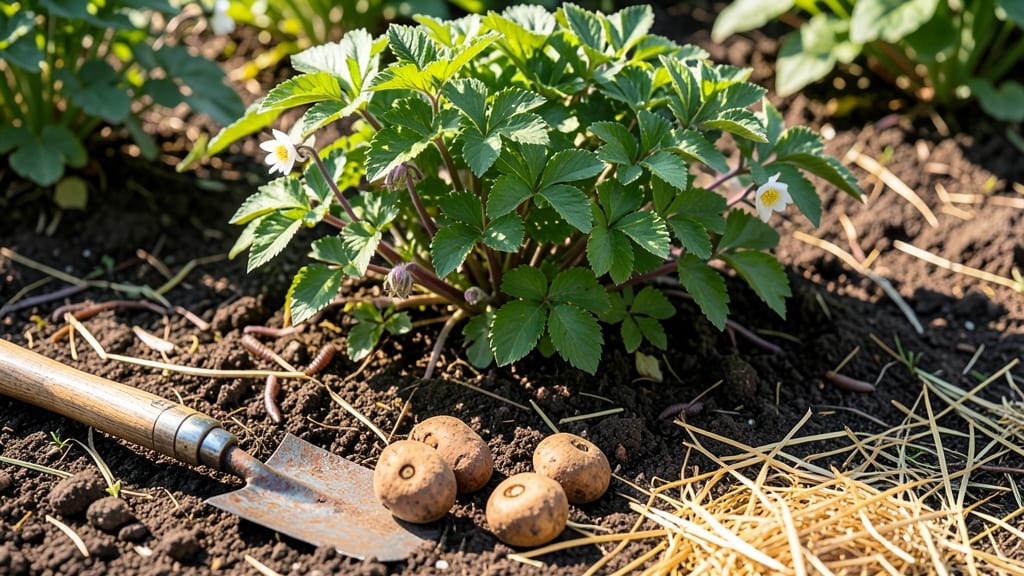
Planting potatoes in Oklahoma isn't just about tossing seed potatoes into the dirt and hoping for the best—timing makes all the difference between a bountiful harvest and a wasted effort.
With last frost dates that can swing wildly from late February to early April, knowing exactly when to plant your 🥔 is the key to avoiding stunted growth or frost damage.
Most gardeners in Oklahoma’s USDA Zones 6b-8a swear by early spring planting, but the best window depends on whether you’re growing fast-maturing varieties or heartier late-season spuds. Get it right, and you’ll enjoy fresh potatoes from June all the way through October.
Miss the mark, and you might end up with bitter, underdeveloped tubers—or worse, no harvest at all.
I’ve tested the ideal planting times over the years, and what I’m about to share will help you avoid common mistakes like planting too soon (risking frost) or too late (missing the growing season).
Whether you’re a first-time gardener or a seasoned pro, these Oklahoma-specific tips will set you up for success.
Let’s break down the exact months to plant by variety, soil temperature tricks, and how to stretch your harvest season—so you can enjoy homegrown potatoes from early summer to fall.
Oklahoma potato planting calendar: exact months by variety type
Timing your potato planting in Oklahoma isn’t just about the calendar—it’s about soil temperatures and frost risk. With USDA Zones 6b-8a, your last frost date can swing from late February to early April, making variety selection and planting windows critical.
Early varieties like Yukon Gold thrive when planted in February-March, while late-season Russet Burbank needs a May start to avoid summer heat stress.
Oklahoma’s clay-heavy soil and unpredictable weather demand precision. Plant too early, and frost will damage tender sprouts. Plant too late, and your harvest may suffer from drought stress or late blight.
The key? Match your potato variety to your microclimate and soil temperature thresholds—typically 45°F (7°C) for planting and 60°F (15°C) for optimal growth.
Here’s the breakdown of your Oklahoma potato planting calendar, tailored to early, mid, and late varieties to maximize yield and avoid frost damage:
| Variety Type | Ideal Planting Window | Soil Temp Threshold | Days to Maturity | Frost Risk | Harvest Months |
|---|---|---|---|---|---|
| Early Varieties | February 15 - March 15 | 45°F (7°C) minimum | 60-90 days | High (plant 4-6 weeks before last frost) | June - July |
| Examples: Red Pontiac, Yukon Gold, Kennebec | — | — | — | — | — |
| Mid-Season Varieties | March 15 - April 15 | 50°F (10°C) minimum | 90-110 days | Moderate (avoid late April planting) | July - August |
| Examples: Russet Norkotah, Fingerlings, Purple Viking | — | — | — | — | — |
| Late Varieties | April 15 - May 15 | 55°F (13°C) minimum | 110-130 days | Low (best for southern OK) | August - September |
| Examples: Russet Burbank, Katahdin, Maris Piper | — | — | — | — | — |
For zero-frost success, focus on early varieties if you’re in northern Oklahoma. These cold-hardy potatoes like Red Pontiac can handle light frosts after sprouting, giving you an edge in unpredictable springs.
In southern Oklahoma, where frost is rare, you can push late varieties like Russet Burbank into May planting for a fall harvest before summer heat sets in.
Pro tip: Use a soil thermometer to confirm soil temps before planting. If temps hover below 45°F (7°C), wait—cold soil slows germination and invites disease pressure.
In my garden, I’ve found that chitting potatoes (pre-sprouting in bright light) gives them a head start, especially for early March plantings when nights are still chilly.
Don’t overlook succession planting either. By spacing out your potato varieties every 2-3 weeks from February to May, you can stretch your harvest from June through September. This strategy works beautifully in Oklahoma’s long growing season, letting you avoid glut and enjoy fresh spuds all summer long.
How to extend your Oklahoma potato season: staggered planting for continuous harvests
Oklahoma’s long growing season and variable frost dates create the perfect opportunity for continuous potato harvests. By using staggered planting, you can enjoy fresh potatoes from early summer through fall—without risking frost damage.
The key? Choosing cold-hardy varieties like Yukon Gold and fingerlings, then spacing out plantings every 2-3 weeks.
This method works especially well for urban/suburban gardens with limited space. Instead of planting all your seed potatoes at once, divide them into 3-4 batches and plant them sequentially.
This ensures a steady supply of potatoes while minimizing waste from overproduction. Plus, it reduces the risk of blight or rot that can occur when all plants mature simultaneously.
Here’s how to plan your staggered potato schedule for Oklahoma’s climate:
- 1
Choose early-maturing varieties like Red Pontiac or Yukon Gold. Plant 4-6 weeks before last frost (typically late February to early March in Oklahoma). These will be ready by late May to early June.
- 2
Switch to mid-season varieties like Kennebec or Russet. These take 90-110 days to mature, harvesting in late July to early August. Space them 12 inches apart in rows 3 feet apart for optimal growth.
- 3
Plant late-season varieties like fingerlings or Purple Viking. These thrive in warmer soil and produce high yields by late September to October. Use mulch to retain moisture and protect tubers from heat stress.
- 4
For urban gardens, try container-growing fingerlings. Plant in deep pots (12+ inches) with well-draining soil. These will harvest in late August to September, just before first frost risks return.
For spacing and soil prep, ensure each planting gets loose, well-draining soil mixed with compost or aged manure. Oklahoma’s clay-heavy soil can compact easily, so add organic matter to improve aeration. Use hilling soil around stems as plants grow to prevent greening (toxic solanine) and encourage larger tubers.
Monitor your plants for early signs of blight, especially in humid Oklahoma summers. Remove affected foliage immediately and avoid overhead watering. Instead, use drip irrigation to keep leaves dry. With this method, you’ll enjoy a continuous harvest without the stress of a single overwhelming crop.
Staggered planting isn’t just for experts—even beginner gardeners can master it with a little planning. Start small with 2-3 batches, and soon you’ll have a year-round supply of homegrown potatoes, straight from your Oklahoma garden! 🌱