
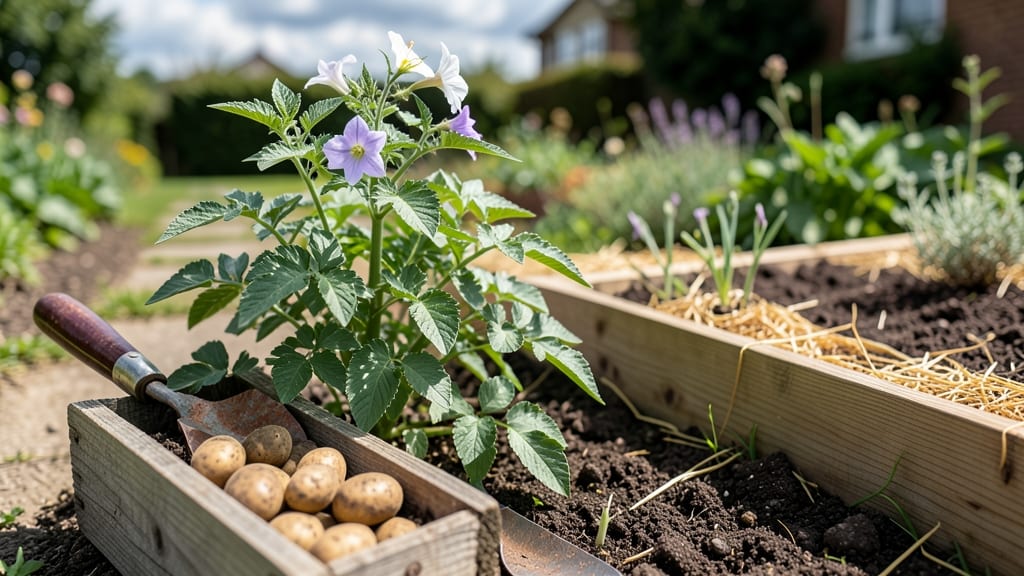
When Do You Plant Potatoes in Pennsylvania: Zone-Specific Dates for Zero-Frost Success

Plants

When Do You Plant Potatoes in Pennsylvania: Zone-Specific Dates for Zero-Frost Success

Planting potatoes in Pennsylvania at the wrong time can mean the difference between a bountiful harvest and a total loss to frost—so timing is everything. With USDA zones 5b-7a and unpredictable spring weather, knowing the exact window to plant 🥔 is your secret weapon for success.

Most gardeners in PA wait until after the last frost date, but early varieties can go in as soon as the soil warms to 45°F—sometimes as early as February for cold-hardy types.

Late varieties, on the other hand, need to be in the ground by early May to mature before fall frost hits.

In this guide, I’ll break down the zone-specific planting schedule for Pennsylvania, including soil prep tips and how to adjust for your microclimate. Whether you’re a first-time grower or a seasoned gardener, these insights will help you avoid common mistakes and maximize your potato yield.

Ready to dig in? Let’s get your 🥔 off to the best possible start with the right planting timing for your corner of PA.

🥔 When to Plant Potato
Jan ❄️
Feb 🌱
Mar 🥔
Apr 🥔
May 🌱
Jun ☀️
Jul ☀️
Aug ☀️
Sep 🍂
Oct 🍂
Nov 🍂
Dec ❄️
Ideal Time
Also Good

Pennsylvania potato planting dates by hardiness Zone (5-7)

Timing your potato planting in Pennsylvania is all about beating the last frost while avoiding soil that's too cold. In zones 5a-7b, your window can vary by 3-4 weeks depending on elevation and microclimates.

The key? Plant when soil hits 45°F+ and 2-4 weeks before your average last frost date.

For early varieties (like Yukon Gold or Red Pontiac), you can start as early as late February in zone 7b using chitted seed potatoes. Meanwhile, late varieties (such as Russet) need to wait until mid-April in zone 5a to avoid frost damage.

Here’s your zone-by-zone breakdown, including soil temperature, planting windows, and harvest timelines to maximize your PA potato harvest:

Zone Last Frost Date Ideal Planting Window Soil Temp Threshold Harvest Window Notes
5a May 5–15 April 15–May 1 (early) / May 10–20 (late) 45°F+ July 15–September 1 Use row covers for early planting.
5b April 25–May 5 April 1–15 (early) / April 20–May 10 (late) 45°F+ July 1–August 30 Chit seed potatoes for 4–6 weeks.
6a April 15–25 March 20–April 10 (early) / April 10–25 (late) 45°F+ June 20–August 15 Mountain regions may need later dates.
6b April 5–15 March 10–April 5 (early) / April 5–15 (late) 45°F+ June 10–August 1 Valley areas can plant earlier.
7a March 25–April 5 February 20–March 15 (early) / March 15–April 5 (late) 45°F+ May 20–July 15 Longer growing season for late varieties.
7b March 15–25 February 10–March 10 (early) /

How to time potato planting for maximum yield in PA’s climate

Pennsylvania’s diverse climate—from mountain valleys to river plains—means your potato planting strategy must adapt. Timing is everything: plant too early, and cold soil stunts growth; too late, and you risk frost damage before harvest.

The key lies in soil warmth, microclimates, and variety selection. Let’s break down the proven steps to maximize your potato yield in PA’s unpredictable weather.

First, focus on soil preparation. Potatoes thrive in well-draining soil with a pH of 5.0–6.5 and 3–4 inches of organic matter mixed into the top 12 inches. Test your soil in early spring—if it’s too acidic, amend with lime; if too alkaline, add sulfur.

In PA’s Zone 5b–7a, aim to plant when soil temperatures hit 45°F (7°C), typically 2–4 weeks before the last frost date (mid-April in most regions).

  1. 1 Chit your seed potatoes 4–6 weeks before planting by placing them in a bright, cool spot (60°F). Sprouts signal readiness for soil temperatures ≥45°F.
  2. 2 Space seeds 12–15 inches apart in rows 30–36 inches apart. Use early varieties (e.g., Yukon Gold) in Zone 5b by late March; late varieties (e.g., Russet) in Zone 7a by mid-April.
  3. 3 Hill soil around stems when plants reach 6 inches tall, adding 2–3 inches of loose soil to encourage tuber formation. Repeat every 2 weeks until hill height = plant height.
  4. 4 Adjust for microclimates: In mountain valleys (e.g., Poconos), plant 2 weeks later than lowland areas (e.g., Pittsburgh) due to later frost risks. Use black plastic mulch to warm soil 5–10°F faster.
  5. 5 Harvest early varieties first when flowers appear (typically 90 days), then late varieties when foliage yellows (typically 120 days). In Zone 5b, expect harvests by early August; in Zone 7a, extend to mid-September.

PA’s microclimates demand flexibility. For example, the Poconos (Zone 5b) often see later frosts than Philadelphia (Zone 7a). If you’re in a valley, delay planting by 1–2 weeks and use cold-hardy varieties like Kennebec.

In urban gardens, containers work well—just ensure they’re at least 12 inches deep and use lightweight potting mix.

Don’t overlook hilling techniques. As plants grow, mound soil around stems to prevent greening (toxic solanine buildup) and promote tuber development. Start hilling when plants are 6 inches tall, adding 2–3 inches of soil every 2 weeks.

For large varieties like Russets, hills can reach 12 inches high by harvest time.

Finally, monitor soil moisture—potatoes need 1–2 inches of water weekly, but avoid waterlogging, which causes rot. In PA’s summer droughts, use drip irrigation to keep soil consistently moist without wetting foliage.

Mulch with straw to retain soil moisture and suppress weeds, which compete for nutrients.

With these strategies, you’ll outsmart PA’s climate and enjoy a bountiful potato harvest. Start chitting your seed potatoes now—your future meals depend on it! 🥔

★★★★★4.6(6 reviews)
Categories Plants